
Lieferung heute & morgen

Qualitätsgarantie

Willkommens-Angebote freischalten: KOSTENLOSE Lieferung | Bis zu 80 % RABATT | Kostenlose 30-Tage-JoyPlus-Testphase
App herunterladen
A foundation that not only provides coverage but also cares for your skin sounds like the perfect everyday solution. However, the market is saturated with products whose promises often outweigh their actual performance. Many users know the disappointment: a foundation advertised as "hydrating" leaves skin feeling dry after just a few hours, or the "caring" ingredients are present in such low concentrations that they have virtually no effect.
As your Joybuy Product Recommendation Officer, I'm here to help you navigate the marketing jungle. In this guide, we'll focus on the objective criteria that define a good skincare foundation and show you how to sidestep common purchasing pitfalls.
Before we get to the solutions, it's crucial to understand the problems. Many purchasing decisions are driven by marketing buzzwords that often disappoint in practice.
To avoid a bad purchase, you should focus on verifiable features rather than vague marketing promises.
A true skincare foundation is distinguished by a formula where caring ingredients play a central role. Look for ingredients like:
A glance at the order of ingredients is revealing: if these actives are in the first or middle third of the list, their concentration is likely significant. Formulas labelled as vegan makeup or non-comedogenic (won't clog pores) offer additional peace of mind, especially for foundation for sensitive skin.
The base of a liquid foundation largely determines how it feels and looks on the skin.
The texture directly impacts comfort and whether the foundation melts into the skin or simply sits on top of it.
A foundation with SPF is a practical bonus for daily protection against UV radiation. An SPF of 20 or 30 offers a good baseline defence against incidental sun exposure on your commute or during a lunch break. However, it's important to understand that this does not replace a dedicated sunscreen. For reliable protection during prolonged time outdoors, a separate sunscreen as a base is essential, as it's nearly impossible to apply the amount of foundation needed to achieve the full SPF rating.
Instead of making a one-size-fits-all recommendation, we've identified products that meet specific needs and avoid the pitfalls mentioned earlier.
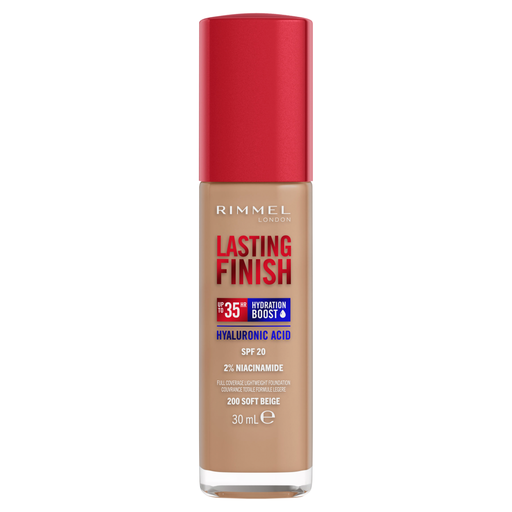
Why This Fits Their Persona: Ideal for those seeking a reliable, hydrating foundation for daily use. It combines coverage, skincare, and sun protection in one straightforward product that lasts through the workday.
The formula contains relevant skincare ingredients—hyaluronic acid and 2% niacinamide—in an effective concentration. It delivers genuine hydration and durability without feeling heavy or drying.
The combination of long wear (up to 35 hours, according to the manufacturer), SPF 20, and a breathable, vegan formula makes it a versatile all-rounder.
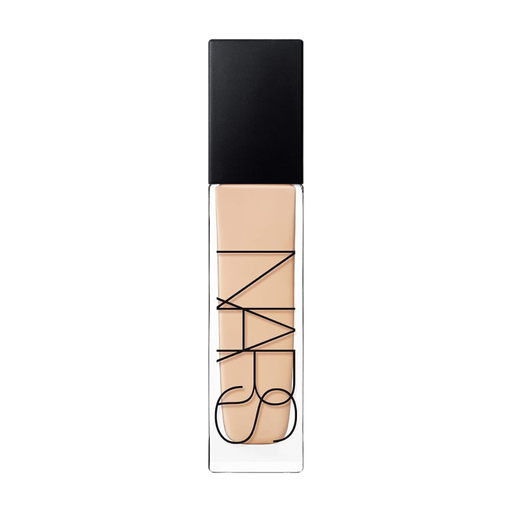
Why This Fits Their Persona: Perfect for users who need high, fade-resistant coverage for special occasions or long workdays, but still want a radiant, skin-like finish.
It sidesteps the 'long-wear vs. comfort' trade-off by combining high pigmentation with a lightweight, breathable formula. It offers full coverage without looking cakey or feeling heavy.
The formula is designed to last up to 16 hours and contains fruit extracts that help support the skin's appearance. It is oil-free and non-comedogenic.
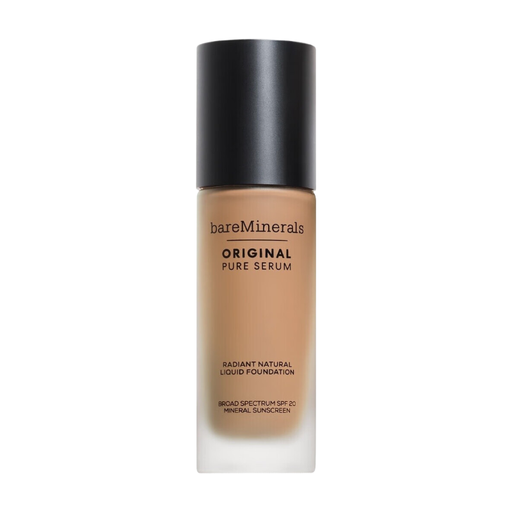
Why This Fits Their Persona: Designed for users who prioritise a minimalist, skin-friendly composition. The vegan serum formula is ideal for sensitive or blemish-prone skin that needs light, nourishing coverage.
This product avoids the 'token ingredient' trap by building on a serum base with hyaluronic acid and glycerin. It intentionally omits silicones, fragrances, and comedogenic ingredients.
The formula is vegan, non-comedogenic, and provides mineral-based sun protection with SPF 20. Its lightweight serum texture creates a radiant, natural finish that lets the skin breathe.
We have compiled a complete, up-to-date list of products that fully meet these strict selection criteria.
Choosing a foundation shade online can be challenging. A practical approach is to determine your skin's undertone (cool, warm, or neutral). Many brands offer 'Shade Finder' tools on their websites to help with this. Also, look for unretouched photos or videos of people with a similar skin tone to yours wearing the product. This often gives a more realistic impression than the official product images.
No, a foundation with SPF should be considered an extra layer of protection, not a replacement for a dedicated sunscreen. To achieve the sun protection factor stated on the packaging, you would need to apply a very thick layer of foundation, which is impractical and looks unnatural. Always apply a sunscreen with a sufficiently high SPF first and let it absorb before applying your foundation.
The term 'non-comedogenic' means a product is formulated in a way that it won't clog your pores. This is especially important for those with oily, combination, or acne-prone skin. A non-comedogenic foundation for sensitive skin minimises the risk of blemishes that can be caused by daily makeup wear.