
Lieferung heute & morgen

Qualitätsgarantie

Willkommens-Angebote freischalten: KOSTENLOSE Lieferung | Bis zu 80 % RABATT | Kostenlose 30-Tage-JoyPlus-Testphase
App herunterladen
Finding the right skincare can often feel like navigating a labyrinth of marketing promises and trendy ingredients. Many products promise quick results, but often, the desired improvements fail to materialise, or the product simply doesn't suit your skin's unique needs. As your Joybuy Product Recommendation Officer, I'm here to help you cut through the noise. This guide will show you which pitfalls to watch out for and what criteria truly matter, enabling you to make an informed decision for your skin.
Before we dive into solutions, it's important to understand the most common reasons for dissatisfaction with skincare products. Often, it's not the products themselves that are inadequate, but the expectations set by clever marketing.
To avoid a bad buy, you should focus on objective criteria tailored to your individual needs.
Instead of following general trends, it's more effective to select ingredients that are proven to help with specific skin conditions.
The product type determines how the active ingredients are delivered to the skin.
Here are some product recommendations tailored to specific user profiles and their needs.
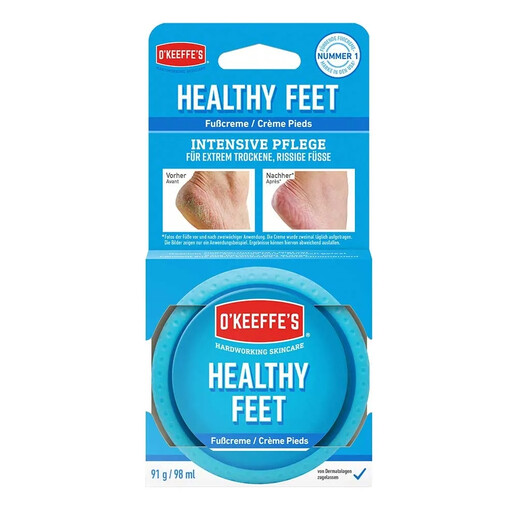
Why This Fits Their Persona: Ideal for individuals seeking a straightforward and highly effective solution for extremely dry, cracked feet. The fragrance-free and non-greasy formula is practical for daily use without leaving a residue.
This product focuses on a clear function rather than following vague promises. It uses proven moisturisers like Glycerin and Allantoin to specifically target a single problem—cracked heels.
The formula increases the skin's moisture levels and creates a protective layer to prevent moisture loss. It is designed for daily use.
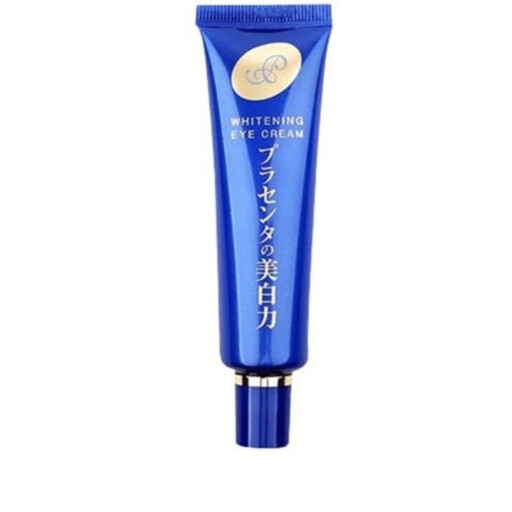
Why This Fits Their Persona: For users looking for a dual-function eye cream: it aims to both reduce fine lines caused by dryness and brighten the appearance of dark circles. A product from Japan, known for its advanced formulations.
Instead of relying on just one ingredient, this cream combines placenta extract for brightening with collagen and barley extract for hydration. It thus addresses multiple concerns around the eye area simultaneously.
The rich texture intensively nourishes the delicate skin and can also be used to care for expression lines around the mouth. The formula is classified as a "Quasi-Drug" in Japan.
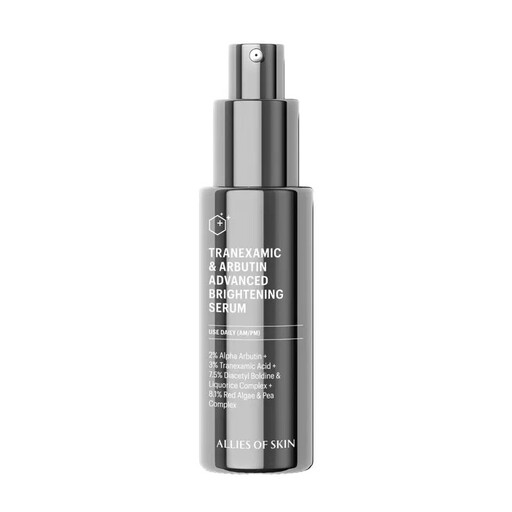
Why This Fits Their Persona: For experienced users seeking a highly concentrated formula to visibly reduce stubborn dark spots and an uneven skin tone. They value transparent disclosures about active ingredient concentrations.
This serum bypasses the single-ingredient hype by offering a powerful blend of 3% Tranexamic Acid and 2% Alpha Arbutin. The concentrations are clearly declared, allowing for an informed choice.
The liquid texture absorbs easily and is ophthalmologist-tested, which also allows for use in the eye area. It aims to improve the skin's resilience and brighten the complexion.
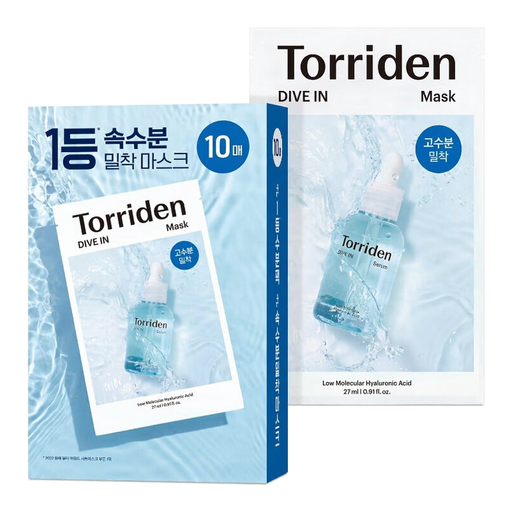
Why This Fits Their Persona: Perfect for anyone wanting to provide their skin with quick and intensive moisture. Especially suitable for fans of Korean skincare and those with dry or sensitive skin looking for a soothing and plumping effect.
This sheet mask relies not just on hyaluronic acid, but on a 5D Hyaluronic Acid Complex with different molecular weights. This ensures multi-level hydration instead of just acting on the surface.
The formula is enriched with Panthenol and Allantoin to support and soothe the skin barrier. The cellulose sheet provides a cooling effect and excellent adherence to the skin.
We have compiled a complete, up-to-date list of products that fully meet these strict selection criteria and applicable regulations.
1. How often should I use a sheet mask? The frequency of use depends on your skin type and needs. For most skin types, using one once or twice a week is sufficient to provide the skin with extra moisture and nutrients. For very dry skin or before special occasions, a sheet mask can also be used more frequently.
2. Can I use a urea cream designed for feet on my face? This is generally not recommended. Foot creams, especially those with a high concentration of Urea Cream (e.g., 10% or more), are formulated for the thick skin on the heels. On the face, they could be too harsh and cause irritation. For your face, you should use products specifically developed for the more delicate facial skin.
3. What is the difference between high and low molecular weight hyaluronic acid? High molecular weight hyaluronic acid forms a moisturising film on the skin's surface and protects against moisture loss. Low molecular weight hyaluronic acid has smaller molecules that can penetrate deeper into the epidermis to provide deeper hydration and a plumping effect. Products that combine different types of hyaluronic acid often offer more comprehensive hydration.