
Lieferung heute & morgen

Qualitätsgarantie

Willkommens-Angebote freischalten: KOSTENLOSE Lieferung | Bis zu 80 % RABATT | Kostenlose 30-Tage-JoyPlus-Testphase
App herunterladen
By Joybuy Product Recommendation Officer, July 28, 2026
Finding the right skincare for combination and oily skin can be a challenge. A shiny T-zone, enlarged pores, and dry cheek areas are common concerns. The market is flooded with countless products promising quick fixes, but not all deliver on their claims. Many users get caught in a cycle of trial and error. This guide will help you avoid the typical purchasing pitfalls and select products based on objective criteria.
Before investing in new products, it's helpful to understand the most common mistakes that often lead to unsatisfactory results.
Pitfall 1: Harsh, Drying Formulas Many products aimed at reducing shine contain high concentrations of alcohol or other harsh stripping agents. In the short term, the skin may appear more matte, but in the long run, its natural protective barrier is disrupted. The skin often reacts with a compensatory overproduction of sebum, which worsens the problem of shine and blemishes.
Pitfall 2: Lack of or Insufficient Hydration A common misconception is that oily skin doesn't need moisture. The opposite is true. When the skin is deprived of hydration, it tries to compensate for this deficiency by increasing sebum production. A lightweight moisturiser that is non-comedogenic is therefore essential to keep the skin barrier intact and balance the complexion.
To make the right purchasing decision, you should focus on verifiable product features and ingredients rather than marketing promises.
The foundation of good skincare for combination and oily skin is texture. Heavy, rich creams can clog pores and leave an undesirable greasy feeling. Instead, look for lightweight formulations like gels, fluids, or serums. These absorb quickly, provide the skin with necessary moisture, and leave a mattified finish. A good mattifying face cream should hydrate without feeling heavy.
A product's effectiveness depends on its ingredients. For combination and oily skin, certain active ingredients have proven to be particularly beneficial:
When making your selection, always look for the term "non-comedogenic". This means the formula is designed not to clog pores, thereby minimising the formation of blemishes.
Here are some product recommendations tailored to different user profiles and their specific requirements for skincare for blemish-prone skin and combination skin.
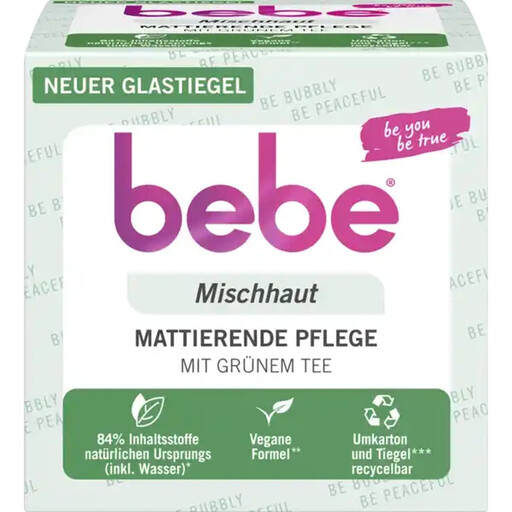
Why it's a good fit: Ideal for young users or anyone looking for a straightforward and affordable daily basic care product. The cream provides a good balance for the typical oily T-zone and normal to dry cheeks.
The formula provides moisture without being greasy, thus avoiding the trap of pure dehydration. It mattifies gently instead of aggressively stripping the skin.
Offers a reliable, mattifying, and moisturising effect for daily use at an accessible price. The vegan formula with green tea extract also has a soothing effect.
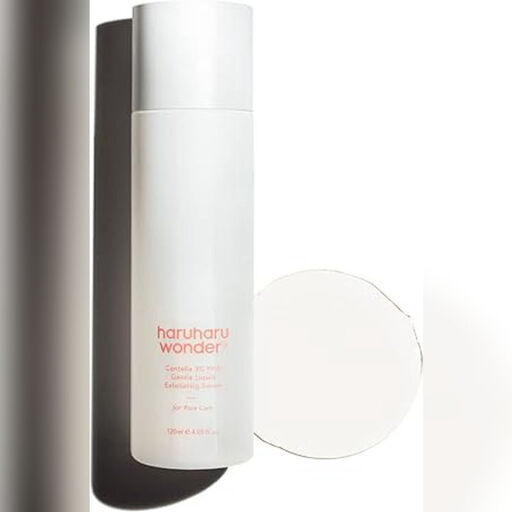
Why it's a good fit: Perfect for those who want to specifically improve their skin texture and refine pores using modern, gentle active ingredients.
Instead of harsh exfoliants, this serum uses 3% PHA, a gentler generation of acid that doesn't over-irritate the skin. It exfoliates effectively without damaging the skin barrier.
The combination of gentle exfoliation (PHA) and soothing Centella Asiatica allows for effective pore cleansing and sebum control, even on sensitive skin.
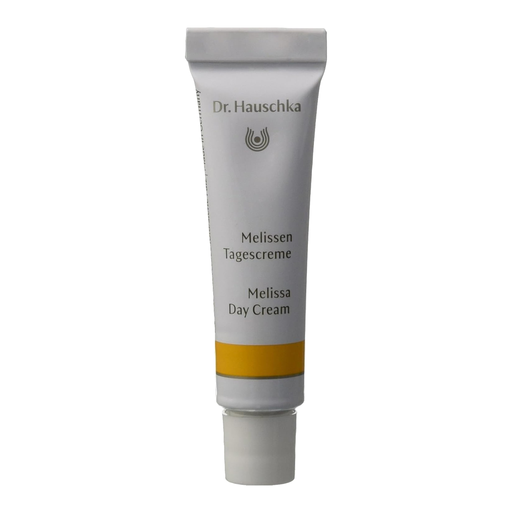
Why it's a good fit: For users who value certified natural cosmetics and are looking for a balancing cream that supports the skin's natural equilibrium rather than just treating symptoms.
This cream addresses both needs of combination skin: it moisturises dry areas and mattifies oily zones with tapioca starch, thus avoiding the pitfall of one-sided treatment.
The composition of medicinal plant extracts like melissa (lemon balm) and witch hazel has a harmonising effect on the skin, helping it find its own balance between oil and moisture production.
We have compiled a complete, up-to-date list of products that meet these strict selection criteria and comply with current regulations.
1. How often should I use a pore-refining serum? The frequency of use depends on the concentration of the active ingredients and your skin's sensitivity. Products with gentle acids like PHA can often be used daily, while stronger formulations with BHA may be sufficient 2-3 times a week initially. Always follow the manufacturer's instructions and observe your skin's reaction.
2. Can I also use a mattifying face cream at night? Yes, this is generally possible. A lightweight, mattifying moisturiser can also be beneficial at night to keep sebum production in balance. However, if your skin needs more regeneration at night, you can alternatively apply a hydrating, non-comedogenic serum under your usual night cream.
3. What does "non-comedogenic" mean, and why is it important for my skin? The term "non-comedogenic" means that the ingredients in a product are formulated in a way that they do not clog pores. Clogged pores (comedones) are often the precursor to blackheads and pimples. For people with oily, blemish-prone, or combination skin, this criterion is particularly important to minimise the formation of new skin impurities.