
Lieferung heute & morgen

Qualitätsgarantie

Willkommens-Angebote freischalten: KOSTENLOSE Lieferung | Bis zu 80 % RABATT | Kostenlose 30-Tage-JoyPlus-Testphase
App herunterladen
Sensitive skin places special demands on daily care. Whether for newborns or adults, the search for compatible products can quickly become overwhelming. Many formulations promise relief, but not all deliver on their promises. This guide will help you identify the key criteria and find products that meet the needs of sensitive skin.
As a Joybuy Product Recommendation Officer, I analyse the market for you, showing you how to avoid common purchasing pitfalls and make an informed decision.
Marketing claims can be misleading. Especially with products for sensitive skin, certain assumptions often lead to poor purchasing decisions that can further irritate the skin.
To make the right choice, you should focus on objective and verifiable features rather than advertising messages.
The International Nomenclature of Cosmetic Ingredients (INCI) is your most important tool. Ingredients are listed in descending order of their concentration. When choosing skincare for sensitive skin, pay attention to the following points:
Not every product is suitable for every purpose. A gentle body care product requires a different composition than one designed for targeted protection against environmental factors.
Here are some product suggestions tailored to different needs and user profiles.
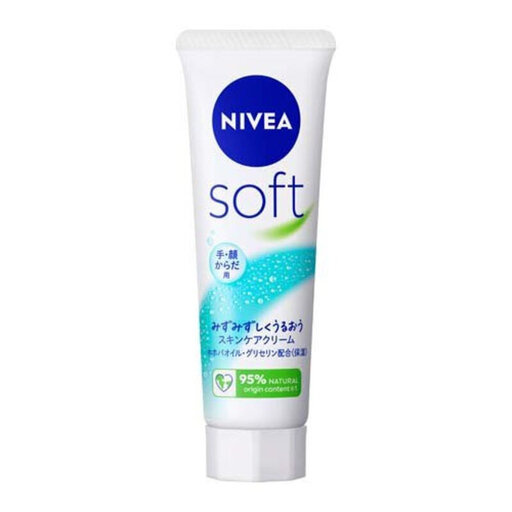
Why this product is a good fit: Ideal for anyone looking for a straightforward, versatile moisturiser for the face, hands, and body. The lightweight, water-based texture absorbs quickly and leaves no sticky residue, making it perfect for daily use.
This product bypasses the trap of overpriced "miracle ingredients." It relies on proven moisturisers like Glycerin and Jojoba Oil instead of short-lived trends.
According to the manufacturer, the formula consists of 95% naturally derived ingredients (incl. water) and is free from parabens, silicones, and mineral oil.
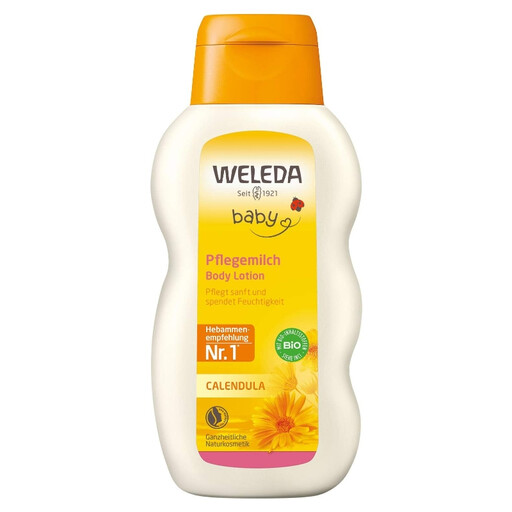
Why this product is a good fit: Developed for parents seeking a certified and proven natural cosmetic solution for their baby's sensitive skin. The light lotion is designed for daily body care.
This product avoids the "natural" trap through transparency. It is NATRUE-certified, which guarantees strict standards for its ingredients. The extract from organic calendula is known for its soothing properties.
The formulation with almond and sesame oil gently nourishes the skin and supports its natural protective function. Skin compatibility has been dermatologically confirmed.
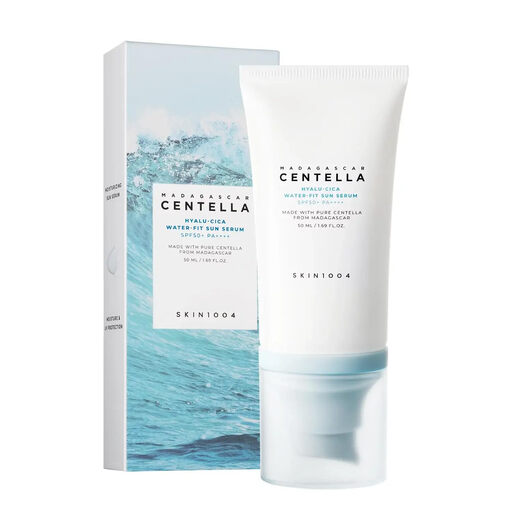
Why this product is a good fit: For users seeking a highly effective sunscreen that doesn't feel like a typical sun cream. The serum-like texture is ideal for daily use, even under makeup, without leaving a white cast or feeling sticky.
This product avoids the "hidden irritants" trap. It combines modern, stable chemical UV filters with soothing ingredients like Centella Asiatica Extract and hyaluronic acid to unite protection and care.
Offers very high broad-spectrum protection (SPF50+ PA++++) in an ultra-light, hydrating serum texture that is suitable for sensitive skin types.
We have compiled a complete, up-to-date list of products that fully meet these strict selection criteria and rigorous safety standards.
Not necessarily. While parabens can cause reactions in some people, they are well-researched preservatives. The substances used as replacements may, in some cases, have a higher allergenic potential. More important than just avoiding parabens is an overall low-irritant and minimalist formulation tailored to the individual needs of the skin.
Yes, absolutely. Baby oils, especially those based on high-quality plant oils like almond oil (e.g., in HiPP Babysanft Caring Oil) or sunflower oil, are an excellent choice for gentle body care in adults. They are typically free of unnecessary additives and help to strengthen the skin barrier and lock in moisture, especially when applied to damp skin after showering.
For sensitive skin, consistency is often the key to success. If you have found a product that your skin tolerates well and you are satisfied with its effect, there is no reason to switch. Frequent product changes can further stress the skin barrier and cause new irritation. A change is only advisable if a product no longer delivers the desired results or suddenly causes intolerance.