
Lieferung heute & morgen

Qualitätsgarantie

Willkommens-Angebote freischalten: KOSTENLOSE Lieferung | Bis zu 80 % RABATT | Kostenlose 30-Tage-JoyPlus-Testphase
App herunterladen
Sensitive skin does not always react straight away. Tightness, dryness, redness or a stinging sensation after use can have many causes. When looking for skincare products for sensitive skin, however, prominent claims such as ‘Sensitive’, ‘hypoallergenic’ or ‘natural’ do not automatically mean a product is right for you.
It all depends on what you need the product for. A face cream for sensitive skin has different requirements from baby oil, shaving care or toothpaste for sensitive teeth. This guide explains what to look for in ingredients, directions for use and product information.
The term hypoallergenic indicates a lower likelihood of allergic reactions, but it does not guarantee that a product will suit everyone. Products with this claim may still contain ingredients that some people react to. If you have sensitive skin, it is worth checking the full INCI list.
Perfume, essential oils and fragrance allergens that must be declared can be problematic for skin prone to irritation. If you want to keep your routine as simple as possible, look specifically for fragrance-free skincare or a formula clearly labelled as fragrance-free. ‘Mild’ does not automatically mean ‘fragrance-free’.
A product may be suitable for sensitive facial skin, but not for the eye area, intimate areas or broken skin. For baby products, you should also check the age recommendation, closure, directions for use and supervision requirements. Never choose skincare products based only on the label, colour or a marketing claim.
Look out for:
The ingredients list on the packaging is the most reliable source, as formulas can change. Product descriptions and marketing claims are no substitute for checking the information on the current packaging.
For dry facial skin, a rich cream may be more suitable than a light toner. For combination skin, a lighter gel cream is often preferred. A moisturiser for sensitive skin should also fit easily into your existing skincare routine.
For babies, not every area of skin needs several products every day. Depending on your needs, a gentle wash, a suitable cream or an oil for specific care situations may be enough. For sensitive-skin care for babies, pay particular attention to the age recommendation and directions for use.
Products for shaving, intimate care and oral hygiene come with specific warnings. Do not use razors on irritated or broken skin. Aerosols such as shaving foam should be kept away from heat. Use fluoride toothpaste according to the age and dosage instructions.
When trying a new product, it is a good idea to test it on a small area of skin first. If redness, itching or stinging occurs, stop using it. Seek medical advice if symptoms persist or are severe.
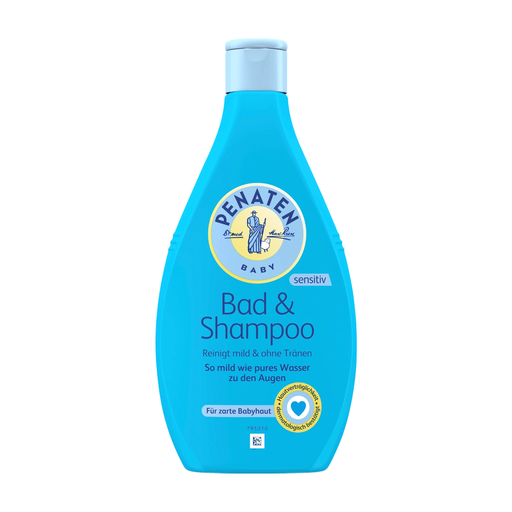
Why this product suits this profile: According to the product information, this 2-in-1 product is suitable for babies’ skin and hair from birth. It is a convenient option for families looking to keep daily cleansing simple.
The product information states that the formula contains no colourants or parabens. However, check the current ingredients list, as ‘Perfume’ is also listed in the product data provided.
400 ml size, 2-in-1 use and stated suitability from 0 months.
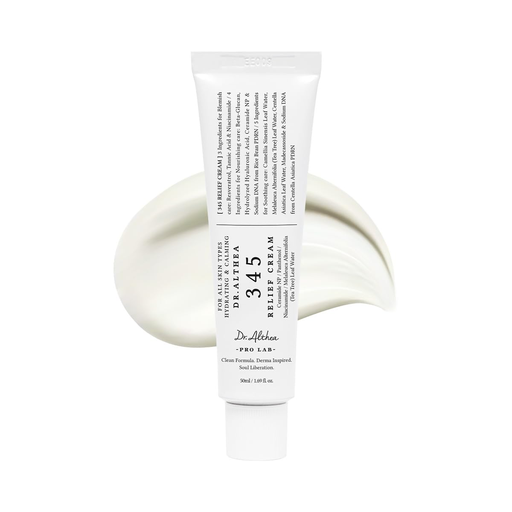
Why this product suits this profile: According to the product information, this gel cream is designed for sensitive skin prone to redness and blemishes. Ceramide NP, panthenol and hyaluronic acid are included in the stated INCI list.
The texture is described as lightweight, so it does not rely solely on a heavy, rich moisturiser. Before buying, check the current packaging for fragrance and any other changes.
50 ml face cream with a lightweight gel-cream texture and several moisture-binding ingredients.
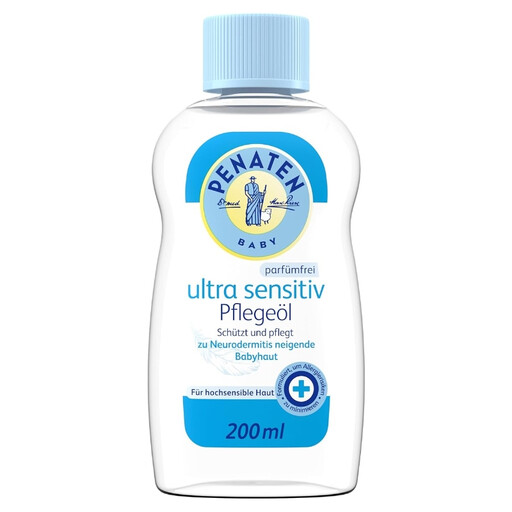
Why this product suits this profile: According to the product information, this fragrance- and colourant-free oil is suitable from birth. It can be used for baby massage, cleaning the nappy area or other specific care routines.
The product information clearly states which ingredients are excluded. Even so, do not apply the oil to broken or irritated skin, and keep it away from the eyes and mouth.
200 ml size, described as fragrance- and colourant-free, with several stated uses.
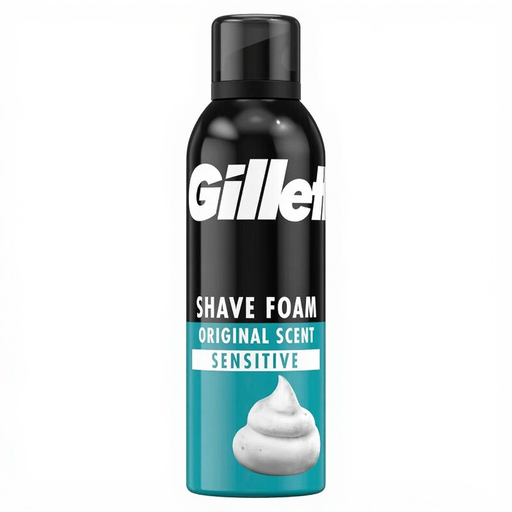
Why this product suits this profile: This shaving foam is designed for use on wet skin and, according to the product information, contains glycerin and conditioning oils. It complements a careful shave for sensitive skin.
The foamy texture can help the razor glide during shaving. However, it contains fragrance, so it may not be the right choice if you prefer fragrance-free skincare.
200 ml aerosol can, with directions for use on wet skin; storage safety information is listed on the product page.
We have put together a complete, regularly updated list of products that fully meet these strict selection criteria and the safety requirements in force in the EU.
Alongside creams, facial skincare options include a toner for sensitive skin, serum mists and lightweight moisturisers. For oral hygiene, people with sensitive teeth should check the fluoride content and directions for use, and choose a suitable toothbrush. For intimate care, use products sparingly and rinse thoroughly.
It is also worth taking care with household products: latex gloves may not be suitable if you have a known latex allergy. So always consider a product labelled ‘Sensitive’ alongside its material information and warnings.
A simple routine with gentle cleansing, a suitable moisturiser and as few fragrances as possible is a good place to start. The key factors are how well you tolerate the product and the current ingredients list. Test new products on a small area of skin first.
Check the PAO symbol on the packaging, such as ‘12M’. It indicates the recommended period for using the product after opening. Changes in smell, colour, consistency or packaging condition may be a sign that you should stop using it, regardless of the stated period.
No. Fragrance-free skincare can be a good option if you want to avoid fragrance. However, it does not guarantee that a product will suit everyone. Other ingredients can also cause individual reactions. Your choice should always suit your skin type, how you plan to use the product and your personal history.