
Lieferung heute & morgen

Qualitätsgarantie

Willkommens-Angebote freischalten: KOSTENLOSE Lieferung | Bis zu 80 % RABATT | Kostenlose 30-Tage-JoyPlus-Testphase
App herunterladen
Sensitive skin does not always react in the same way. It may feel tight after cleansing, feel rough in dry heated air or respond to new products with redness and stinging. Reaching straight for the richest cream or a heavily advertised serum does not necessarily mean you have chosen the right product.
When choosing skincare for sensitive skin, a clear INCI list, the texture and the intended use matter more than grand marketing promises. The following tips can help you avoid unsuitable purchases and put together a comfortable morning and evening routine.
The wording on the front of the packaging is no substitute for checking the ingredients list. Products making this claim may still contain fragrances, essential oils, alcohol or numerous plant extracts. These ingredients are not inherently problematic, but they may be individually unsuitable for sensitive or already stressed skin.
You should therefore check the complete INCI list on the packaging. If you already know that your skin is sensitive to certain ingredients, test the product on a small area of skin first.
A heavy, greasy feeling does not necessarily mean that the skin is sufficiently hydrated. A moisturising face cream can combine water-binding ingredients such as glycerine, urea or hyaluronic acid with lipids and protective ingredients. What matters is whether the texture suits your skin’s current condition.
Dehydrated combination skin often gets on better with a lightweight serum or gel, while dry skin may benefit from a cream containing ceramides, oils or other emollient ingredients.
Introducing a toner, several serums, an exfoliant, a mask and two creams at the same time makes it difficult to identify the cause if your skin reacts. To begin with, a simple routine of gentle cleansing, moisturiser and daytime sun protection is enough. Introduce new products one at a time, leaving a suitable interval between them.
Several groups of ingredients are relevant to protecting the skin barrier:
None of these ingredients guarantees a particular skin response. Individual tolerance and the complete formulation remain the deciding factors.
A serum for sensitive skin or a Centella serum is usually lightweight and can be used under a cream. A gel cream is often suitable for combination skin or warmer days. Rich creams and protective formulations may be worth considering for dry areas of skin or as part of an evening routine.
Also consider the product quantity. A 30 ml serum and a 100 ml cream will last for different lengths of time. If you only need a few drops each day, a smaller serum may be sufficient; for larger areas or more frequent use, a bigger pack is more practical.
Cosmetic products should only be used on intact skin and in accordance with the manufacturer’s instructions. Check the best-before date, batch number and PAO symbol (“Period After Opening”) on the packaging. Product information may vary between batches, so always refer to the current packaging.
If irritation persists, is severe or gets worse, stop using the product and seek medical advice if necessary. Cosmetic skincare is not a substitute for medical treatment.
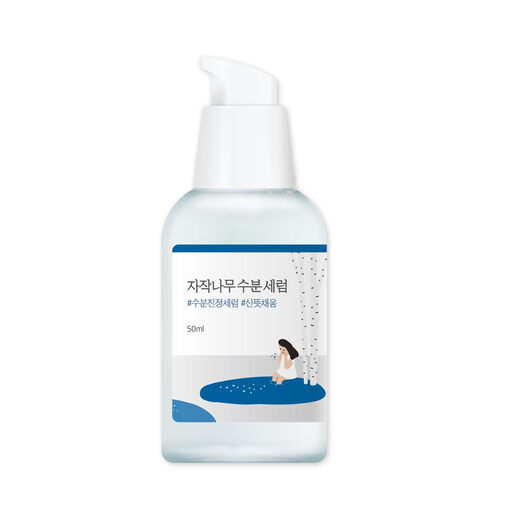
Why this product suits the profile: The lightweight serum can be used morning and evening after cleansing, followed by a cream. According to the product information, it contains glycerine, several forms of hyaluronic acid and birch sap.
The fluid, non-sticky texture reduces the risk of applying unnecessarily heavy skincare under make-up or sun protection.
50 ml, lightweight serum texture, several humectants and suitable for all skin types according to the product information.
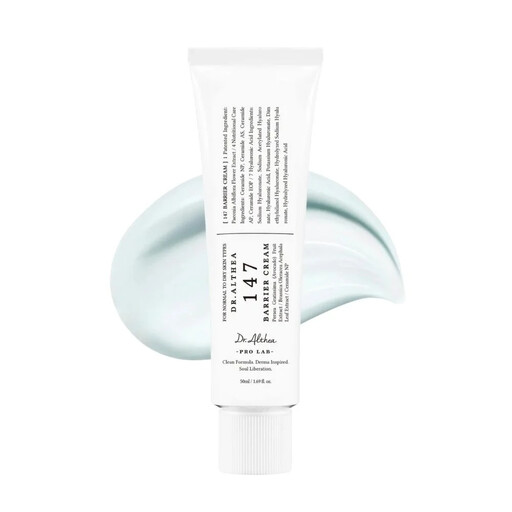
Why this product suits the profile: This cream is aimed at people who prefer a structured Korean skincare routine with a richer final step. The stated INCI list includes ceramides, cholesterol and various forms of hyaluronic acid.
The selection focuses on recognisable ingredients for hydration and lipid care rather than relying solely on a marketing-led active-ingredient story.
50 ml, Ceramide NP, AP, AS, NG, NS and EOP according to the stated ingredients list, plus several hyaluronic acid derivatives.
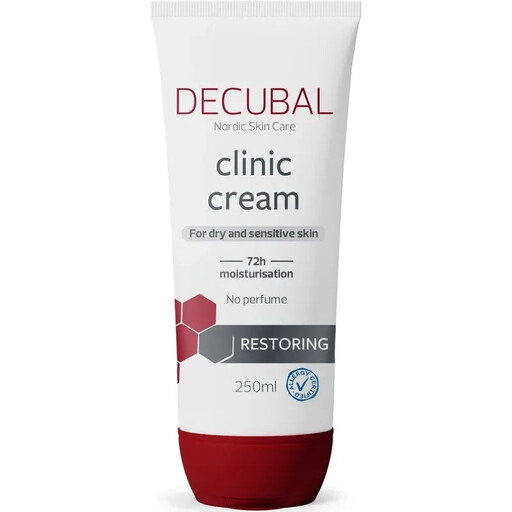
Why this product suits the profile: The large 250 g pack is worth considering for people who want to use a rich moisturiser regularly on the face or body, provided the intended use stated on the packaging allows this.
The stated fragrance-free and colourant-free formulation addresses the common pitfall of unnecessary fragrance ingredients; however, the rich texture will not suit every face.
250 g, glycerine, lanolin and dimethicone according to the product information; no added fragrance or colourants according to the description.
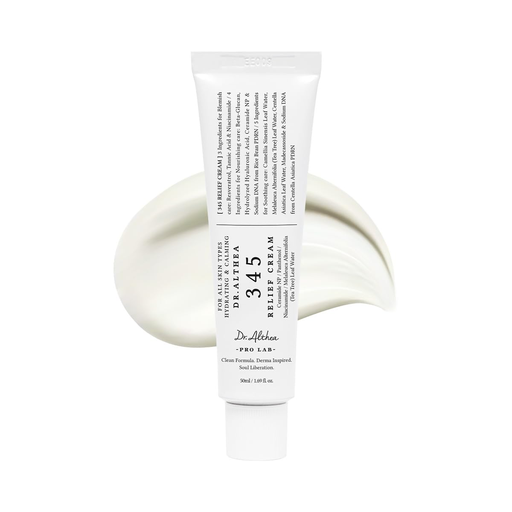
Why this product suits the profile: This gel cream is interesting for users looking for hydration without a strongly greasy finish. According to the product description, it contains panthenol, Centella-related ingredients, beta-glucan and ceramides, among others.
The lightweight consistency helps you avoid automatically choosing a very occlusive cream when your skin feels both oily and dry.
50 ml, lightweight gel cream, Ceramide NP and Sodium Hyaluronate according to the INCI list; no artificial fragrances or colourants according to the product description.
We have put together a complete, regularly updated list of products that fully meet these strict selection criteria and the safety regulations applicable in the EU.
That depends on your skin’s condition and the texture you prefer. For dry skin, creams containing glycerine, ceramides, cholesterol or emollient ingredients may be worth considering. A lightweight gel cream may feel more comfortable on combination skin. If you know that your skin is sensitive, check fragrances and essential oils particularly carefully.
Yes, both products can be used as part of the same routine, provided your skin tolerates them. One possible order is cleansing, a lightweight Centella serum, a hyaluronic acid product and then cream. However, you should not introduce several new products at the same time.
The PAO symbol and the information on the packaging are the key points of reference. Many products specify, for example, twelve months after opening, but this cannot be applied universally to every formulation. Close jars and bottles after use and store them somewhere cool and dry, protected from direct sunlight.