
Lieferung heute & morgen

Qualitätsgarantie

Willkommens-Angebote freischalten: KOSTENLOSE Lieferung | Bis zu 80 % RABATT | Kostenlose 30-Tage-JoyPlus-Testphase
App herunterladen
The search for the right facial cleansing foam can quickly feel overwhelming. In the world of K-Beauty especially, countless products compete with impressive ingredient lists and promises. However, not every highly-praised foam is suitable for every skin type. Certain formulations can even weaken the skin barrier instead of nurturing it. Before you decide, it's crucial to know the common pitfalls to make an informed choice.
The 2 Most Common Mistakes When Buying Cleansing Foams:
To avoid disappointment, you should base your selection on objective criteria. Three factors are particularly crucial.
Surfactants are the cleansing agents responsible for foam creation and cleaning power. Your choice of surfactant is critical for how well your skin tolerates the product.
The skin's surface has a natural, slightly acidic pH of around 5.5. This acid mantle fends off harmful microorganisms and keeps the skin barrier intact. A cleansing product with a high (alkaline) pH can disrupt this balance. Look for a facial cleansing foam that is labeled as "pH-balanced" or "low-pH" (pH 5.5–6.5) to protect your skin.
A good K-Beauty cleansing foam combines a gentle cleansing base with active ingredients that target specific skin problems.
Based on these criteria, we have identified several products that are suitable for various needs and skin profiles.
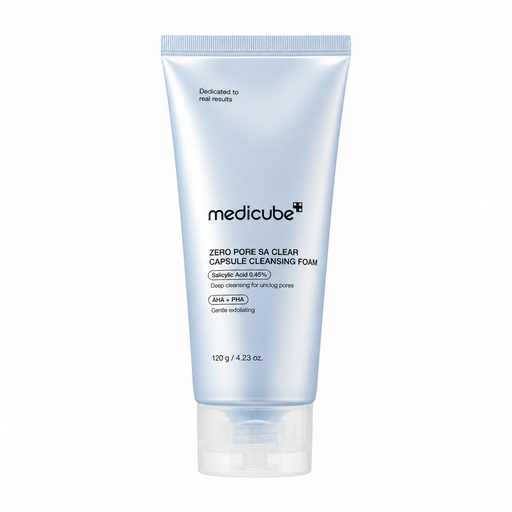
Why This Fits Their Persona: Ideal for those seeking an effective solution for clogged pores and excess sebum. The formula directly targets the typical problems of oily skin without drying it out.
Instead of harsh surfactants, this foam uses a combination of AHA, BHA, and PHA to target and gently clarify pores. The capsule technology releases the active ingredients only upon massaging, thus preventing unnecessary irritation.
Combines a deep-cleansing action with soothing Centella Asiatica extract. Niacinamide also helps to refine the appearance of pores.
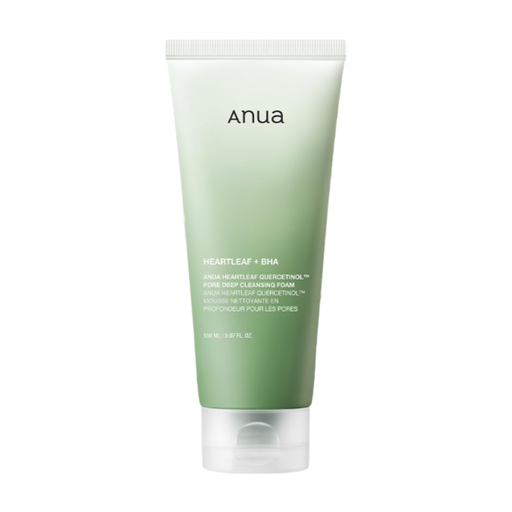
Why This Fits Their Persona: Perfect for users with sensitive, redness-prone skin who need a thorough yet non-irritating cleanse. The formula is designed to soothe the skin while removing impurities.
Instead of relying on an overloaded ingredient cocktail, this foam focuses on Heartleaf extract, known for its calming properties. The formula is free of sulfates and alcohol to protect the skin barrier.
Contains Quercetinol for soothing and Salicylic Acid (BHA) for gentle pore cleansing. The creamy foam cleanses thoroughly without disrupting the skin's pH balance.
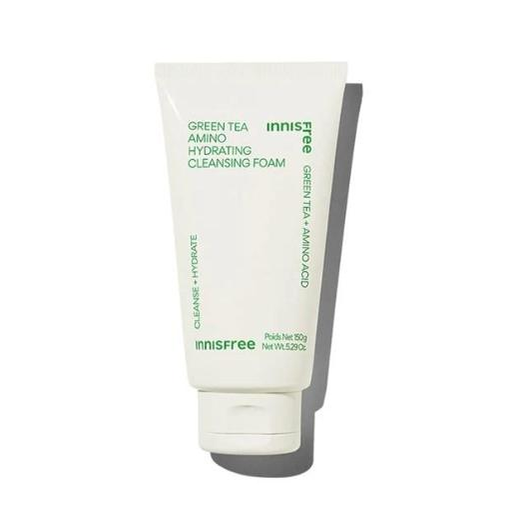
Why This Fits Their Persona: Suitable for anyone who often experiences tightness after cleansing. This foam cleanses effectively but places a clear focus on retaining and replenishing moisture.
The formula is based on an Amino Acid Complex, known for its gentle cleansing action. It avoids the pitfall of a high pH level that can dry out the skin, instead helping to preserve the moisture balance.
Contains Green Tea extract from Jeju Island, which has antioxidant and hydrating properties. It leaves the skin feeling refreshed and hydrated without any tightness.
We've compiled a complete, up-to-date list of products that fully meet these strict selection criteria and current regulations.
For most skin types, using it twice daily—morning and evening—is recommended. In the morning, to remove sebum and dead skin cells produced overnight, and in the evening, to eliminate makeup residue, sunscreen, and environmental pollutants. For very dry or sensitive skin, a single use in the evening may be sufficient.
Double cleansing, which involves using a cleansing oil or balm first, followed by a water-based cleanser like a deep-cleansing foam, is especially beneficial in the evening. It is highly recommended if you wear makeup or water-resistant sunscreen. The oil dissolves oil-based products, while the foam removes any remaining residue and cleanses the skin deeply.
Pay attention to immediate signs after cleansing. A strong feeling of tightness, dryness, redness, or a "squeaky-clean" feeling are clear indicators that the cleanser is stripping your skin's natural barrier. In the long term, an increase in breakouts or heightened sensitivity can also be a sign of over-cleansing. If this happens, it's advisable to switch to a milder product.