If you want to listen to the groove while lying down, flat sleep earbuds may be worth considering, provided they’re comfortable with your pillow and play your recording in the right mode. For focused repetition and analysis before you lie down, wired headphones are a straightforward alternative. In a shared room, sound leakage makes open-back models less suitable. Neither design, in itself, proves that listening while you sleep improves learning.
Who are the different listening options suitable for?
Side sleepers
If you want to listen to a short groove passage with your ear against the pillow, comfort and pressure matter just as much as how your recording sounds. soundcore describes the Sleep A20 as a model for side sleepers; check how it fits with your own pillow.
Groove analysts
If you’re listening closely to the kick, snare and hi-hat on repeat, or playing along to a reference track, the playback device, connection and listening environment are important considerations. A sleep mode isn’t automatically necessary for this.
People listening in a shared room
If you want to listen or practise before bed without disturbing others unnecessarily, consider the design and how much sound it leaks. Open-back headphones aren’t an obvious choice if sound escaping could wake someone up.
What should you look for when choosing?
Flat sleep earbuds
Suitable if: you want to listen to your own recording while lying down. soundcore describes the Sleep A20 as offering Bluetooth playback and a design for side sleepers.
Consider: According to soundcore, the Sleep A20 doesn’t have ANC. You’ll need to check the fit and pressure against your pillow for yourself.
Closed-back, wired over-ear headphones
Suitable if: you want to repeat passages closely on a computer or audio device before lying down. The beyerdynamic DT 770 PRO is closed-back and wired.
Consider: Check the plug and playback device, as well as the specific impedance version of the DT 770 PRO. Large ear cups aren’t automatically comfortable when you’re lying down.
Open-back, wired over-ear headphones
Suitable if: you’re comparing recordings on your own in a quiet environment, where sound leakage won’t disturb anyone. The Sennheiser HD 560S is an open-back, wired model.
Consider: Open-back headphones aren’t a good choice if you need to keep sound contained in a shared bedroom.
| What matters |
What to check when buying |
Who it matters most to |
| Pressure and fit when lying on your side |
Try them with your own pillow and suitable tip sizes in your usual sleeping position. |
If I lie on my side, I want to listen without the earbud pressing uncomfortably against the pillow; around 33% of consumers would put pressure and a secure fit when lying on their side first. |
| Hearing the groove’s structure |
Compare the same familiar recording on your own device and check the connection is suitable. |
If I want to pick out individual hits and their order on repeat, the right listening environment matters; around 27% of consumers would prioritise analysing the groove. |
| Not disturbing others in the room |
Consider whether the design is open or closed and how much sound it leaks in your room. |
If I share a room, I want to listen to my groove without disturbing anyone else; around 27% of consumers would put consideration for others in the room first when choosing. |
| Keeping in sync when playing along |
Test Bluetooth with your playback device, app and video, or check the wired connection. |
If I’m playing along to a reference track or matching beats to a video, I want the picture and sound to line up; around 13% of consumers would prioritise playing in sync. |
Which assumptions should I avoid?
-
“Sleep mode” doesn’t automatically play your own groove file
For the Sleep A20, soundcore distinguishes between Bluetooth music mode and sleep mode. If you want to play a recording from your playback device, check which mode supports playback.
Before lying down, use your audio app to check which mode plays your own recording.
-
Battery life in different modes isn’t directly comparable
soundcore quotes 8–10 hours in Bluetooth music mode and 14 hours in sleep mode for the Sleep A20, both at 50% volume. For the Sleep A30, soundcore describes a test with ANC enabled, in which playback stopped after sleep was detected. These figures relate to different modes and test conditions.
Only compare battery life when the playback mode and stated test conditions match how you plan to use the earbuds.
-
Don’t choose open-back over-ear headphones based on sound descriptions alone
The Sennheiser HD 560S is open-back. In a shared room, sound leakage may matter more to others than the manufacturer’s description of its sound.
If others are asleep, consider sound leakage and look at a closed-back or in-ear alternative.
Which brands are worth considering?
soundcore
The Sleep A20 range is a sleep-earbud option for Bluetooth audio and side sleeping.
- soundcore describes adjustable tips and gives separate playback times for music and sleep modes.
- According to soundcore, the Sleep A20 doesn’t support ANC. Information about other models or modes can’t automatically be applied to it.
beyerdynamic
The DT 770 PRO range includes closed-back, wired studio headphones.
- beyerdynamic lists 32, 80 and 250 Ohm versions; the product details shown here describe the 80-Ohm option.
- The plug and impedance should suit the specific version and playback device. There’s no evidence that the large ear cups are comfortable for side sleeping.
Sony
The MDR-7506 is a wired over-ear headphone for focused listening sessions.
- Sony lists a 3.5 mm stereo plug and an adapter for this model.
- The connection is one way to connect, but it isn’t independent evidence of better groove learning or comfortable listening while lying down.
Sennheiser
The HD 560S is an open-back, wired over-ear headphone for quiet listening environments.
- Sennheiser describes an open acoustic design and a detachable cable.
- The open-back design isn’t ideal if you need to keep sound from disturbing others in the room. Manufacturer claims about sound and precision aren’t the same as an independent comparative test.
Joybuy products for wireless listening
The Joybuy products below are wireless earbuds for listening to music before bed. Some have an open design, which means you can still hear sounds around you.
 No image available
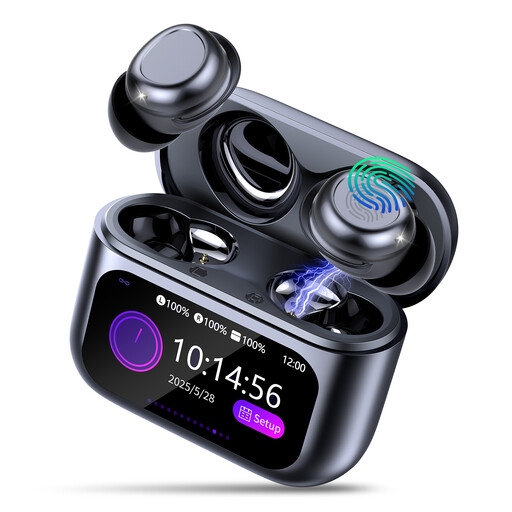
ZYHKON Bluetooth earbuds for side sleepers, 5 EQ modes
A possible choice if you want to listen to your own recording wirelessly and try a design described as suitable for side sleepers; fit against the pillow will vary from person to person.
Bluetooth; 5 EQ modes.
View at Joybuy
 No image available
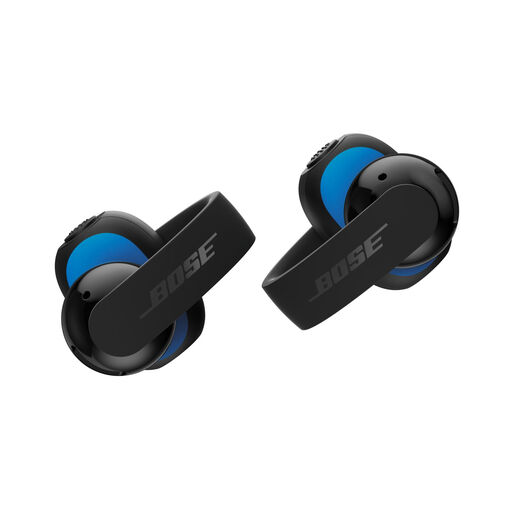
Bose Sport Open Earbuds, Black
The open design may suit you if you want to remain aware of your surroundings while listening; it isn’t designed to block out external sound.
View at Joybuy
 No image available
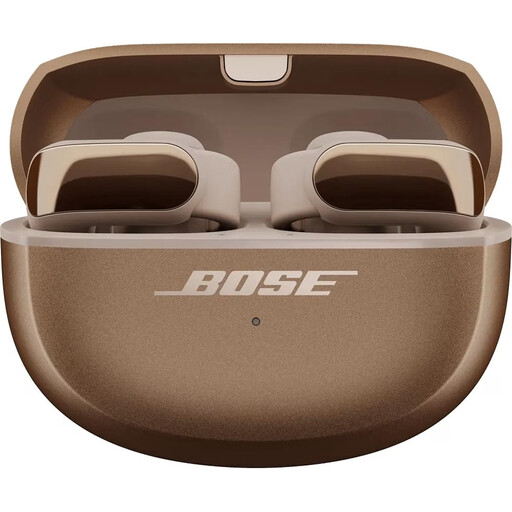
Bose Ultra Open Earbuds, clip-on, Driftwood Sand (Limited Edition)
The clip-on design may suit you if you want to listen wirelessly while staying aware of your surroundings; it isn’t designed to block out external sound.
Bluetooth; clip-on design.
View at Joybuy
 No image available
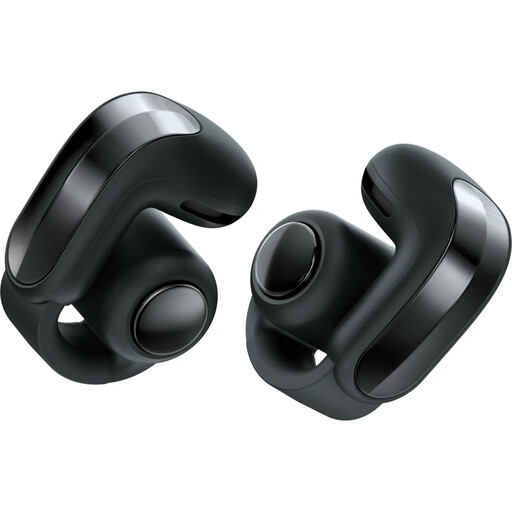
Bose Ultra Open Earbuds (2nd Generation), Black
The open clip-on design may suit you if you want to stay aware of your surroundings while listening to music; it isn’t designed to block out external sound.
Bluetooth; 2nd Generation.
View at Joybuy
Frequently asked questions
Do I need to wear a particular pair of headphones to learn the groove while I sleep?
No. The product features described here tell you about playback and design, but don’t prove that listening while you sleep helps you learn. First decide whether you want to listen closely or simply play audio before falling asleep.
How do I play my own groove recording on the Sleep A20?
Bluetooth mode is intended for audio from a playback device. soundcore distinguishes it from sleep mode; check in your app which mode plays your recording before lying down.
What can I do if sleep earbuds feel uncomfortable or itchy?
For the Sleep A20, soundcore recommends trying different tip sizes. Different tips may vary in how much noise they block; don’t ignore persistent discomfort just to wear them for longer.
How loud should I listen in the evening?
The World Health Organization advises limiting both volume and total listening time, and monitoring your sound exposure where possible. Its guideline of 80 dB for up to 40 hours a week refers to average exposure; it isn’t a safe volume setting for every headphone model.
What rights apply when buying earbuds online in Germany?
For distance purchases, you generally have a 14-day right to withdraw from the contract. Section 312g of the German Civil Code (BGB) sets out a narrowly defined exception for certain unsealed goods that aren’t suitable for return for health protection or hygiene reasons; the term “in-ear” alone doesn’t determine whether it applies to a particular purchase. Statutory rights for faulty goods are separate. The Verbraucherzentrale and the Federal Ministry of Justice explain these rules.


