
Lieferung heute & morgen

Qualitätsgarantie

Willkommens-Angebote freischalten: KOSTENLOSE Lieferung | Bis zu 80 % RABATT | Kostenlose 30-Tage-JoyPlus-Testphase
App herunterladen
A sleeping mask for the face complements your evening skincare routine. Depending on the product, it stays on the skin overnight and is either washed off in the morning or worn as a leave-on treatment. The choice ranges from lightweight gel textures to rich formulas containing collagen, hyaluronic acid, propolis, ceramides, snail mucin or centella.
However, eye-catching claims about active ingredients do not automatically lead to the right purchase. Three common pitfalls are particularly important:
For dry or dehydrated skin, humectants such as glycerin, hyaluronic acid, panthenol and betaine are useful points of reference. They bind water in the upper layer of the skin. An overnight moisturising mask may also contain nourishing oils, shea butter or silicones, which help reduce moisture loss from the skin’s surface.
For a weakened skin barrier, ceramides, panthenol and soothing ingredients such as centella asiatica extracts are relevant. An overnight mask for sensitive skin should ideally have a straightforward formula. Check the complete INCI list for parfum, essential oils and any known personal sensitivities.
A gel mask usually absorbs more easily and is suitable for people who do not want a rich feeling on their skin at night. Creamy or more occlusive textures may be more beneficial for dry skin, but could feel too heavy on oily skin.
Also check whether the product is specifically described as an overnight mask, wash-off mask or daily moisturiser. The recommended frequency of use – for example, two or three times a week or daily – should match the instructions on the label.
Tubes allow for measured and hygienic dispensing. If the product comes in a jar, use a clean spatula. Before buying, check:
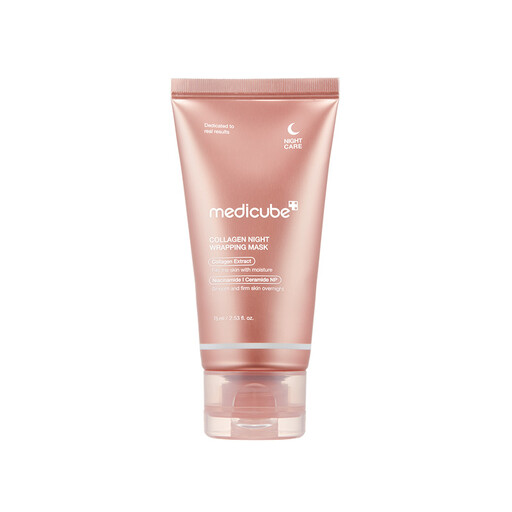
Why this product suits the profile: The combination of collagen, hyaluronic acid, niacinamide and Ceramide NP appeals to buyers looking for several skincare benefits in one overnight mask.
The relevant ingredients can be verified in the listed INCI, rather than being promoted only through broad skincare claims.
75 ml fill quantity; the product information also lists vitamin E and adenosine as ingredients.
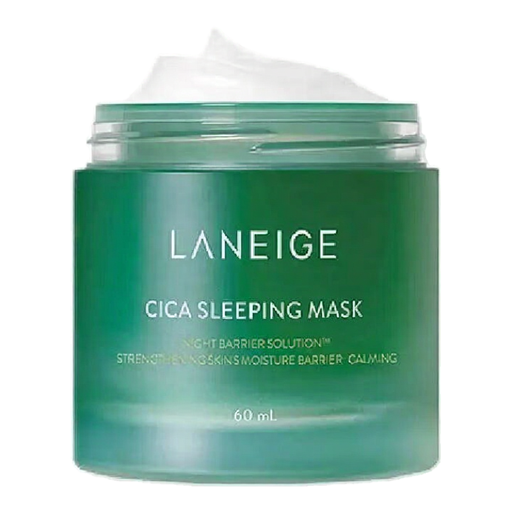
Why this product suits the profile: According to the product information, the formula contains centella-derived ingredients, panthenol, squalane and shea butter, and is designed for sensitive or stressed skin.
However, the INCI list also reveals tea tree oil and other essential oils. If you are sensitive to fragrance, careful checking is therefore essential.
The creamy formula contains squalane and panthenol; apply it as the final step and rinse it off in the morning.
We have put together a complete, regularly updated list of products that fully meet these strict selection criteria and the safety regulations applicable in the EU.
A new Korean sleeping mask should not initially be used every day. Using it once or twice a week gives you a better idea of its texture and skin compatibility. If you have known allergies to bee-derived products, masks containing propolis, honey or bee venom should be checked particularly carefully. Claims such as “anti-ageing sleeping mask” generally describe the intended cosmetic purpose; they do not replace medical advice and do not guarantee a specific effect.
That depends on the formula. Many rich products are recommended two or three times a week, while lighter gel masks may be used more frequently according to the product information. The label, how your skin feels and your individual tolerance are the decisive factors.
Not always. Some products are specifically designed to be removed with lukewarm water in the morning, while others are described as leave-on masks. Always check the instructions for the product in question before wearing it overnight.
For an overnight mask for dry skin, glycerin, hyaluronic acid, panthenol, ceramides, squalane and nourishing oils are sensible selection criteria. A creamier texture may feel more comfortable on very dry skin, while a lighter gel texture is often more practical for combination skin.