Shoppers keeping an eye on pack size
If you’re shopping for a small afternoon coffee gathering, choose a quantity you’re likely to use. The weight and best-before date can help you compare packs of different sizes.


Soft toast is a good choice for afternoon coffee when easy-to-top slices are what you’re after. If you specifically want wholemeal, choose a sandwich loaf labelled accordingly. It’s also worth checking that the pack size suits how much you’ll use, and reading the ingredients and allergen information on the pack itself. Pre-sliced pumpernickel is another wholemeal option, but it doesn’t have the texture of soft toast.
If you’re shopping for a small afternoon coffee gathering, choose a quantity you’re likely to use. The weight and best-before date can help you compare packs of different sizes.
If you’d prefer a wholemeal bread you can add toppings to rather than white toast, check the product name and ingredients list. The German Nutrition Society points out that colour alone isn’t a reliable way to identify wholemeal bread.
If you need to avoid certain ingredients, check the labelling on the pack you buy. The toast and wholemeal products listed here vary in the types of grain they contain, other ingredients and possible traces.
First, decide whether you want soft toast slices for afternoon coffee or specifically want wholemeal bread. Then check that the pack size and labelling suit your household.
| What matters | What to check when buying | Who it matters most to |
|---|---|---|
| Right-sized pack | Compare the weight and best-before date with how much you plan to use. | If I only need a few slices for afternoon coffee, I don’t want to open a larger pack than I’m likely to use. This is the top priority for around 42% of consumers. |
| Wholemeal and texture | Read the wholemeal description and ingredients list; distinguish between sandwich bread and denser pumpernickel. | If I want wholemeal bread, it should also work with the toppings I have in mind; the type of bread makes a difference. Around 33% of consumers give this priority. |
| Ingredients and allergens | Check the ingredients, highlighted allergens and traces information on the pack itself; compare nutrition information per 100 g if needed. | If certain ingredients matter to someone at the table, I need to check the labelling of each product before choosing. This is a priority for around 25% of consumers. |
Packaged toast and sandwich bread come in different sizes. For a small afternoon coffee gathering, the weight may matter more than the number of slices shown in the product picture.
Compare the pack size with how much you plan to use, and check the best-before date on the pack in store.
If you regularly have slices left over, a larger pack means extra planning for storage and use.
The German Nutrition Society says colour isn’t a reliable indicator. So, don’t rely on the appearance of dark bread instead of checking the product name.
Look for ‘wholemeal’ and read the ingredients list for the specific variety.
Information can vary between buttered toast and different wholemeal breads. For example, REWE Beste Wahl Butter Toast lists wheat and lupin flour; the EDEKA wholemeal products described also list cereals containing gluten.
For every variety you buy, check the ingredients, highlighted allergens and possible traces information on the pack.
These examples show a range of toast and wholemeal varieties. Information about one product shouldn’t be taken to apply to every bread from the same brand.
The butter toast is an example of a soft toast bread.
The wholemeal sandwich bread is a specific example of wholemeal slices that are easy to top.
The wholemeal sandwich loaf is another specific wholemeal variety to compare.
Lidl stocks Grafschafter among its own brands of bread and bakery products.
This selection includes two varieties of Thinmax Golden Danish Toast for afternoon coffee, and pre-sliced Mestemacher pumpernickel as a wholemeal option. If you need a particular pack size or allergen labelling, check the details for the variety you’ve chosen before buying.
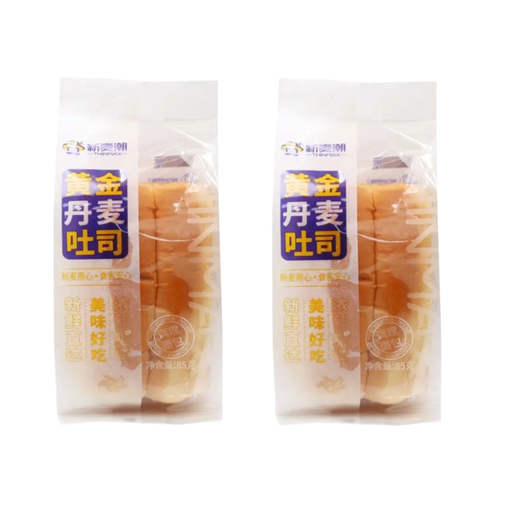 Image unavailable
A toast option for afternoon coffee when two separate portions are handy.
The product information describes two individually wrapped pieces of 85 g each; check the pack details before buying.
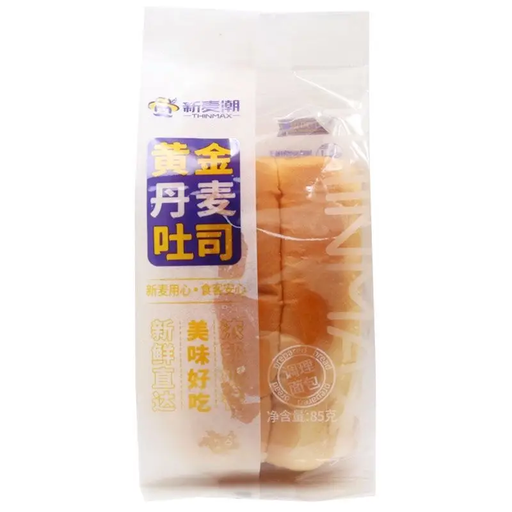 Image unavailable
Another Danish toast option for anyone looking for toast slices to enjoy with afternoon coffee.
The product name states 85 g, but the product information gives conflicting details about the number of pieces. Check the actual pack size and, if needed, the allergen labelling.
 Image unavailable
Pre-sliced wholemeal rye bread for afternoon coffee if you’d prefer something denser than soft toast.
The product information lists a 500 g pack and 11.5 g of fibre per 100 g. Information about milk and sesame is inconsistent across the product details; if you have a relevant allergy, the labelling on the pack itself is what matters.
Look for a wholemeal description and check the ingredients list. The German Nutrition Society points out that dark colour alone isn’t a reliable indicator.
Yes. If allergens matter to your choice, read the labelling on each specific pack. Wheat, other cereals containing gluten, additional ingredients and traces information can vary between varieties.
No. Age alone doesn’t determine which type of bread is suitable. Choose between wholemeal sandwich bread, soft toast and other sliced breads based on the texture you want, the ingredients and your individual needs. If you have difficulty chewing or swallowing, it’s best to seek individual professional advice.
No. The recall notice published by Lidl in 2024 concerned two named sandwich products with best-before dates up to and including 21 May 2024. For a pack bought today, check its exact product name and any current notices that may apply.