What should you look for when choosing?
First decide which texture might suit your child, then choose a quantity that matches how much you use. Always check the ingredients and allergens on the specific pack, even if you’re already familiar with another variety from the same brand.
| What matters |
What to look for |
Who it matters to |
| Flavour and texture |
Check the type of bread and any visible seeds; start with a small amount of an unfamiliar variety. |
If my child prefers a soft, familiar texture, I want to be able to try a new variety without pressure. Around 42% of consumers put acceptance of flavour and texture first. |
| Leftovers |
Match the pack weight to how much you use; follow the instructions for after opening and, if necessary, freeze leftover slices in portions. |
In a small household, slices from a large pack can easily go to waste, especially if the variety is rejected. That’s why around 33% of consumers prioritise avoiding leftovers. |
| Ingredients and allergens |
Read the current ingredients list, highlighted allergens and precautionary allergen statements for the specific variety. |
If I need to avoid certain ingredients, the product name alone isn’t enough to help me decide. Checking the labelling is a priority for around 25% of consumers. |
A small pack won’t answer every question: a familiar butter toast can differ considerably from wholemeal toast in its ingredients and nutritional information. For example, REWE lists Golden Toast Buttertoast and Harry Vollkorn-Toast in 250 g packs. That won’t tell you whether your child will accept either texture.
Brands to consider
These examples show how pack sizes and recipes can vary between individual breads. The features of one variety don’t necessarily apply to the brand’s entire range.
Harry
REWE lists Harry Vollkorn-Toast in a 250 g pack.
- This variety is listed as containing 6 g of fibre per 100 g. According to REWE, it should be eaten within three days of opening.
- The wholemeal toast contains wheat; REWE mentions possible traces of sesame. Ingredients and warnings may differ for other Harry breads.
Golden Toast
REWE lists Golden Toast Buttertoast in a 250 g pack.
- The smaller pack lets you try this butter toast variety in a limited quantity. REWE lists 2.8 g of fibre per 100 g.
- This variety contains wheat, butterfat and lupin flour. The brand name doesn’t tell you what’s in its other varieties.
REWE Beste Wahl
REWE lists REWE Beste Wahl Vollkorn Sandwich in a 375 g pack.
- This pack contains more bread than the 250 g examples mentioned above. REWE lists 7.7 g of fibre per 100 g for this variety.
- The bread contains wheat, wheat gluten and lupin flour, among other ingredients; possible traces of milk and soya are also listed. If you don’t eat bread often, make sure the larger quantity suits how you plan to use it.
Small-pack toast options at Joybuy
This selection includes small toast options for trying a different texture, as well as a set of two individually wrapped units. If you specifically need sliced bread, check the shape and number of slices for each variety before buying.
 No image available
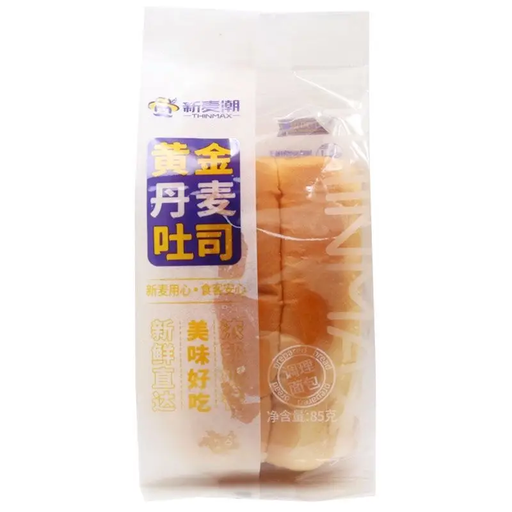
Thinmax Golden Danish Toast 85 g
The 85 g pack is worth considering if you’d like to try a small amount of a toast variety described as soft; whether the flavour and texture suit you is a matter of personal preference.
The product description lists wheat, milk, egg, soya and sesame. It says to eat the bread within 24 hours of opening. If needed, check the current allergen labelling and the shape of the slices.
View at Joybuy
 No image available
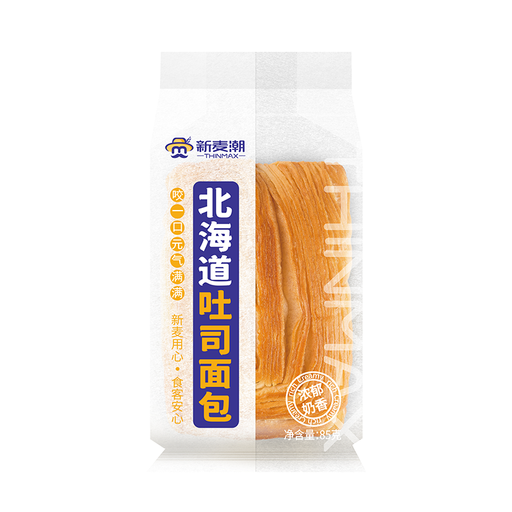
Thinmax Hokkaido Toast Bread 85 g
This 85 g pack is also a suitable size for a small trial if you’re considering a bread variety described as soft and slightly sweet.
The description lists wheat, egg, soya and milk, and says to eat the bread immediately after opening. Before buying, check the shape of the slices and the current ingredients and allergen labelling.
View at Joybuy
 No image available
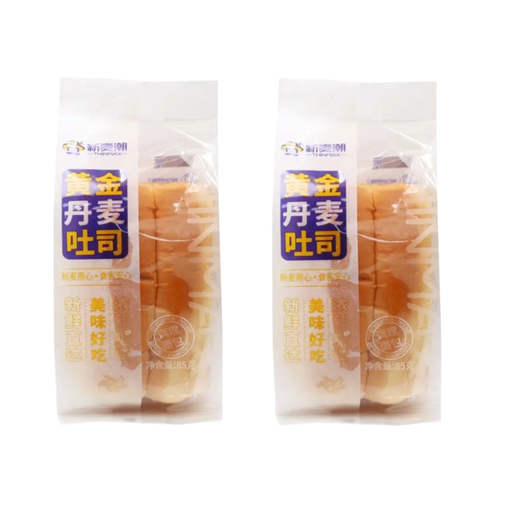
Thinmax Golden Danish Toast 85 g × 2
The two 85 g units, described as individually wrapped, are a good fit if you plan to use smaller portions one at a time. The set contains more bread overall than a single 85 g pack.
The description lists wheat, milk, egg, soya and sesame, and says to eat the bread within 24 hours of opening. Check the current allergen labelling and whether the units have the slice shape you need.
View at Joybuy
Frequently asked questions
When is a 250 g pack a better choice than a larger pack of toast?
A 250 g pack can help reduce leftovers when you’re trying a variety for the first time or only need a few slices. Choose an amount that suits how much you use and, if needed, freeze leftover slices in portions, as the Verbraucherzentrale recommends for bread.
How should I store sliced bread after opening?
As a general rule, store bread at room temperature in a dry place away from light, and follow any additional instructions on the pack. The Verbraucherzentrale suggests using a bread bin or bread crock and notes that bread usually goes stale faster in the fridge. White bread may be an exception in very warm, humid weather. For Harry Vollkorn-Toast 250 g, REWE says to eat it within three days of opening.
Do I need to check allergens again for every variety of toast?
Yes, because ingredients and warnings about possible traces can vary between varieties. EU food information regulations require certain substances that can cause allergies or intolerances to be highlighted in the ingredients list. If you need to avoid a particular ingredient, check the current labelling on each pack rather than assuming the recipe from the brand name.
Should I switch bread varieties straight away if my toddler is a fussy eater?
There’s no need to switch straight away just because your child initially rejects a new variety. The Gesund ins Leben network recommends offering toddlers new foods repeatedly and without pressure. If you suspect an intolerance, don’t restrict your child’s diet without a confirmed medical diagnosis.


