For a short road trip with only a few snacks planned, a 250 g pack of sliced bread may be the right amount. What matters is how much bread you’ll actually eat once the pack is open. Choose wholemeal, seeded or butter toast according to the ingredients and your taste. If you need to avoid gluten, look specifically for bread labelled gluten-free and check its other ingredients and allergens.
Who might find a small pack useful?
The right amount depends on how many snacks you’re planning for the journey and whether you’ll need the leftover bread afterwards.
Small households on a short trip
If you’re shopping for one or two people, you can compare the number of sandwiches you plan to make with the amount in the pack. A small pack is especially useful if you want to avoid having much opened bread left over after the journey.
Snack planners who favour wholemeal
If wholemeal bread is important for the sandwiches you’re preparing, check the exact product name and compare the nutritional information per 100 g. Seeds on the surface don’t automatically make a loaf wholemeal.
People who need to avoid gluten
In this case, choosing a product explicitly labelled gluten-free matters more than choosing a particular pack size. Schär describes Meisterbäckers Classic as gluten- and wheat-free; according to the manufacturer, it contains soya protein and may contain lupin and mustard. Check the labelling on the specific pack.
What should you look for when buying?
Start with the amount you need and the ingredient labelling. If you’re taking an opened pack of sliced bread on a trip, make sure your plans also account for the guidance on eating it after opening.
| Criteria |
What to check |
Who it matters most to |
| Pack size and leftovers |
Compare the pack weight and, if stated, the number of slices with the snacks you’ve planned; check the guidance on eating the bread after opening. |
For a short journey, I only want to open as much bread as we’re likely to eat. Around 36% of consumers put this need first. |
| Wholemeal |
Look for the word ‘wholemeal’ and check the ingredients and fibre per 100 g; don’t assume seeded toast is wholemeal just because it contains seeds. |
I want wholemeal bread to be the deciding factor when choosing bread for my sandwiches. This is the top priority for around 29% of consumers. |
| Ingredients and allergens |
Check the exact variety, ingredients list and allergen information on the current pack. |
I need bread with labelling that suits my need to avoid gluten or any known allergies. This ingredient-related concern comes first for around 21% of consumers. |
| Storing bread on the go |
Consider the pack instructions, how to protect the bread from sunlight and moisture, and when you plan to eat it after opening. |
If I prepare snacks before setting off, I need to store any leftover bread appropriately for the rest of the journey. This is the main concern for around 14% of consumers. |
Common misconceptions
-
Seeded toast is the same as wholemeal toast
Seeds and flakes don’t tell you how much wholemeal flour a loaf contains. According to Harry-Brot, Harry Körner Balance Toast is also available in a 250 g pack; REWE describes it as containing 8% wholemeal.
If wholemeal is your deciding factor, check the product name and ingredients list rather than judging by the visible seeds alone.
-
A 250 g pack will automatically keep until the return journey once opened
A smaller amount doesn’t remove the need to plan when you’ll eat it. REWE advises eating Harry Vollkorn-Toast within three days of opening.
Work out how much you’ll need before setting off and follow the instructions on your pack. For bread, Verbraucherzentrale generally recommends storing it at room temperature in a dry place away from light.
-
Gluten-free means free from all allergens
That isn’t the case with Schär Meisterbäckers Classic: according to Schär, it contains soya protein and may contain lupin and mustard.
If you need to avoid gluten or have known allergies, read the full labelling for the variety you’re buying.
-
Sandwich fillings can be stored in the same way as bread
A filling may need different storage conditions from the bread. This is particularly important with pre-made snacks: they need to be stored in a way that suits all the ingredients.
Check the storage instructions for the bread and filling separately. If a filling needs to be kept chilled, make sure you have a suitable way to keep it cool during the journey.
Brands and product ranges to consider
The product ranges below come in different pack sizes and recipes. The details given apply to the specific varieties listed, not necessarily to every product from that brand.
Golden Toast
According to REWE, 250 g packs are listed for its wholemeal toast and butter toast varieties.
- These two varieties offer a choice between toast explicitly labelled wholemeal and butter toast.
- Neither variety is suitable if you need to avoid wheat; check the other ingredients and allergen information for each one.
Harry
Wholemeal toast and Körner Balance Toast are documented as 250 g varieties.
- REWE states that Harry Vollkorn-Toast contains 6 g of fibre per 100 g.
- Körner Balance Toast is described as containing 8% wholemeal; its seeded recipe isn’t the same as the wholemeal toast.
Schär
Meisterbäckers Classic is a sliced bread alternative that the manufacturer describes as gluten-free, available in a 330 g pack.
- Schär also describes this variety as wheat-free.
- It isn’t a 250 g pack of toast. According to Schär, it contains soya protein and may contain lupin and mustard.
REWE Beste Wahl
REWE lists Dinkelsandwich, American Sandwich and Vollkorn Sandwich in 375 g packs.
- These documented varieties give you the opportunity to compare sandwich bread by recipe and the amount you need.
- At 375 g, these packs contain more than the 250 g toast packs mentioned above; compare the amount with your snack plan.
Toast products at Joybuy
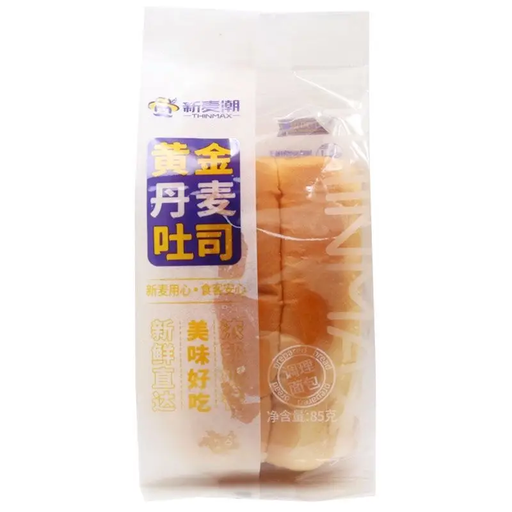
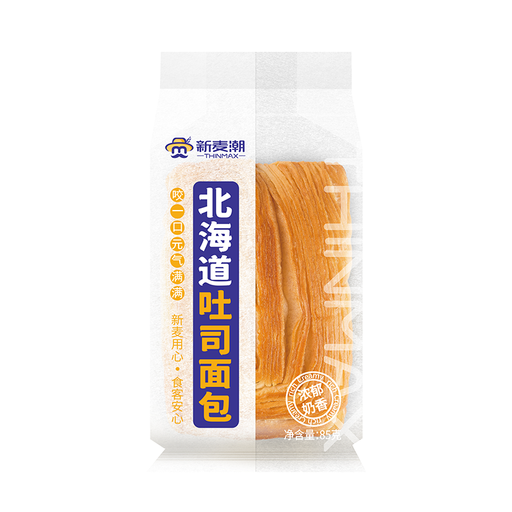
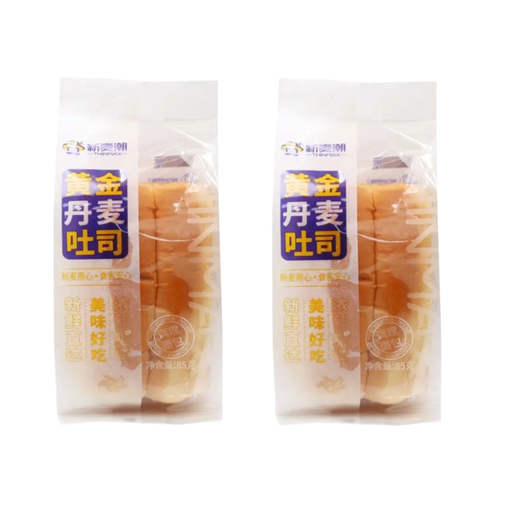
This selection includes Thinmax toast for a small snack requirement: two varieties at 85 g each, plus a pack of Golden Danish Toast containing two 85 g portions. Compare the amount with your plans for the outward and return journeys. These aren’t the 250 g wholemeal toast or gluten-free sliced bread varieties discussed above.
 No image available
Thinmax Golden Danish Toast 85 g
The 85 g pack may suit a small snack requirement. Before buying, check that there’s enough for the portions you’ve planned.
Check the ingredient labelling. According to the product description, opened bread should be eaten within 24 hours.
View at Joybuy
 No image available
Thinmax Hokkaido Toast Bread 85 g
The 85 g pack may be a good fit if you’re only planning a small amount for the journey. Compare the pack contents with what you’ll actually need.
Check the ingredient labelling. According to the product description, the bread should be stored in an airtight container and eaten straight away once opened.
View at Joybuy
 No image available
Thinmax Golden Danish Toast 85 g × 2
The pack containing two 85 g portions may suit you if you’re planning more than one small serving for your snacks. Check that the total amount works for the journey and for eating afterwards.
Check the ingredient labelling. According to the product description, opened bread should be eaten within 24 hours.
View at Joybuy
Frequently asked questions
How can I tell if toast is wholemeal?
Look for ‘wholemeal’ in the product name and check the ingredients list. The German Nutrition Society points out that a dark colour or visible seeds alone don’t prove a loaf is wholemeal; the nutritional information per 100 g can help you compare specific varieties.
How should I store opened bread during a journey?
Follow the instructions on the specific pack and plan when you’ll eat the bread after opening. Verbraucherzentrale generally recommends storing bread at room temperature in a dry place away from light; REWE advises eating Harry Vollkorn-Toast within three days of opening.
If I find mould, can I just throw away the affected slice of toast?
No. Verbraucherzentrale advises throwing away the whole loaf of mouldy bread, even if mould is only visible in one spot.


