What should you look for when buying?
First, check that the appliance type suits your kitchen and your other refrigeration needs. Make separate plans for keeping your lunch cool after packing it. The BfR recommends eating sliced melon promptly or keeping it chilled, while the consumer advice centre notes that larger fridges can use more electricity.
| Consideration |
What to check when buying |
Who is this important to? |
| Keeping food cool until lunchtime |
Room for covered portion containers; plan how to keep them cool on the way and until you’re ready to eat. |
If I pack the portions in the morning and don’t eat them until lunchtime, the melon needs to stay chilled until then. Around 39% of consumers put keeping food safely chilled until mealtime first. |
| The right amount of fridge space |
Measure your containers and available space; compare fridge capacity and shelves. |
If I want to store melon alongside the rest of my shopping, I need enough fridge space, but not more than necessary. Around 23% of consumers prioritise suitable storage space. |
| Annual electricity consumption |
For suitable appliance types, compare the kWh per year on the EU label and take your own tariff into account. |
If running costs matter to me, I compare the annual energy consumption of suitable appliances with my electricity tariff. Around 23% of consumers put running costs first. |
| Positioning and appliance type |
Check the external dimensions or niche measurements, as well as how the door is fitted on the specific model. |
If my kitchen space is limited or there’s a built-in niche to fit, the appliance needs to fit exactly. Around 15% of consumers prioritise installation dimensions and appliance type. |
Fridge models at Joybuy
The models below include freestanding fridge-freezers, built-in appliances and a mini fridge. For each model, compare fridge space, freezer requirements and suitable installation or niche dimensions.
 No image available
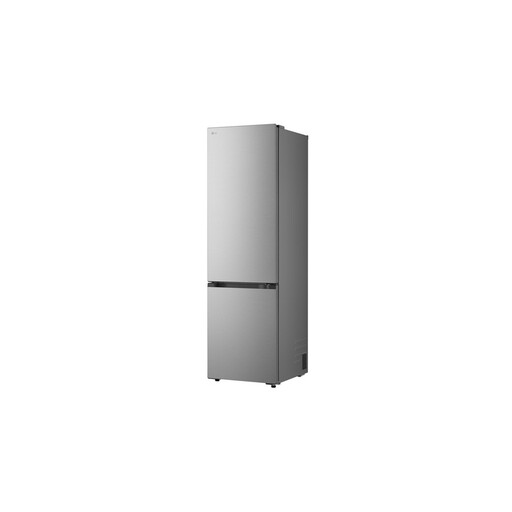
LG GBBSJ2CCPY fridge-freezer, 375 l, Silver, energy class C
If you need to store frozen food as well as portions of melon, this freestanding model has separate fridge and freezer compartments.
It has 262 l of fridge space and 113 l of freezer space; temperature control and Fast Cooling are listed.
View at Joybuy
 No image available
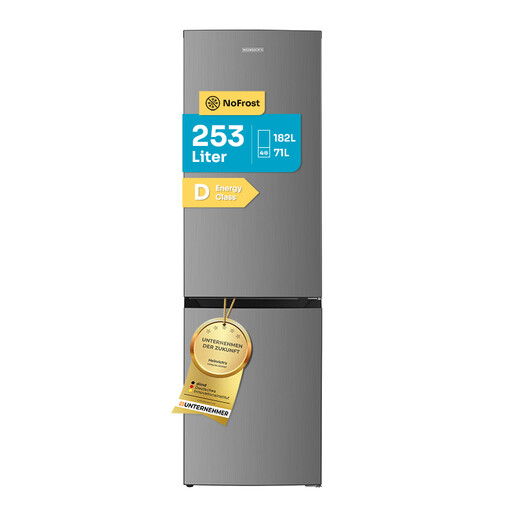
Heinrich´s fridge-freezer, 253 l, Black Inox
This freestanding model could suit you if you want to store chilled portions and frozen food in one appliance.
It has 182 l of fridge space and 71 l of freezer space; the listed features include a width of 47 cm, adjustable glass shelves and a reversible door.
The product details also list a noise level of 39 dB.
View at Joybuy
 No image available
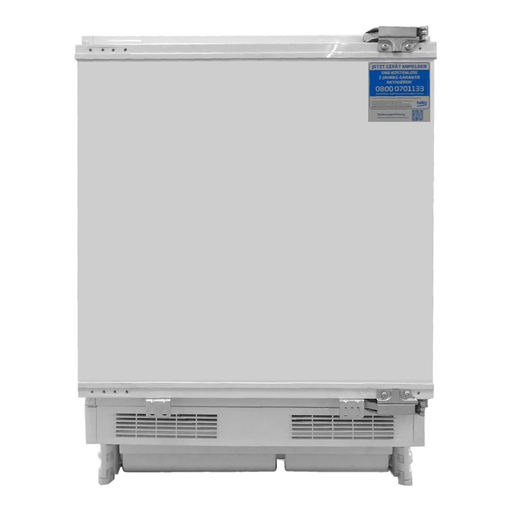
Beko BU1154N built-in fridge, 107 l, niche height 88 cm, energy class E
This built-in model could be a good fit if your kitchen has a suitable 88 cm niche and you also need a small freezer compartment.
It has 92 l of fridge space and a 15 l freezer compartment; the listed features include toughened glass shelves and mechanical temperature control.
The ventilation openings in the kitchen plinth must be kept clear. Check the niche dimensions before buying.
View at Joybuy
 No image available
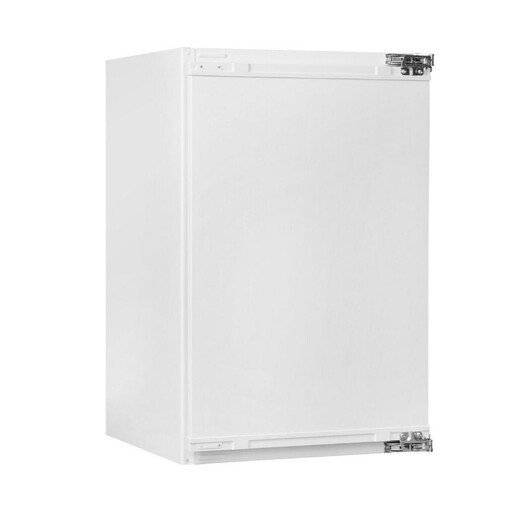
Beko B1754FN built-in fridge, 110 l, niche height 88 cm, energy class E
If your kitchen has a suitable 88 cm niche with a fixed-door fitting, this built-in model offers both fridge and freezer space.
It has 97 l of fridge space and a 13 l freezer compartment; the listed features include a height-adjustable shelf and two glass shelves.
Check that the fixed-door fitting is compatible, and keep the ventilation openings in the kitchen unit clear.
View at Joybuy
 No image available
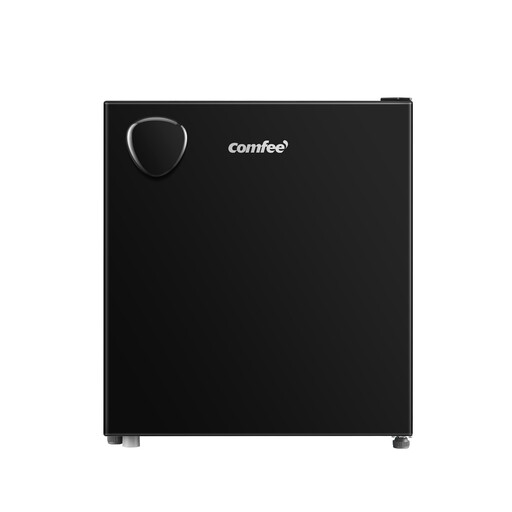
Comfee Youniq Series RCD48BL2EUY(E), 43 l, energy class E
This mini fridge is an option for smaller quantities and limited space. Check that the interior is large enough for your portion containers.
Listed features include a 43 l capacity, adjustable shelves and a vegetable drawer. The product description gives annual energy consumption of 80 kWh and a width of 44,5 cm.
According to the product description, the separate Chill Box is only designed for short-term chilling; don’t keep items stored in it for longer than two hours.
View at Joybuy
Frequently asked questions
Can I cut the melon on Sunday for all my lunches that week?
Choosing a particular fridge won’t tell you how long the melon can be stored safely until Friday. The BfR recommends eating sliced melon promptly or keeping it covered and chilled as soon as possible. Plan when you portion and eat it accordingly, rather than relying on an appliance feature to guarantee it will stay safe for several days.
Is keeping it chilled at home enough if the lunchbox is then left on my desk until lunchtime?
No. The BfR warns against eating melon pieces that have been kept unrefrigerated for several hours and advises disposing of them as a precaution. Keep your lunch chilled after packing it, right up until you’re ready to eat.
What temperature does the law require my fridge at home to be?
The BfR doesn’t specify one legally required temperature for all food in a domestic fridge; storage requirements depend on the food. The consumer advice centre suggests 7 °C on the top shelf as a guide, not as a general legal limit for melon.
How can I check energy consumption and noise levels when buying?
The EU energy label for domestic fridges uses classes A to G and includes details such as annual energy consumption in kWh, capacity and noise emissions. The European Commission recommends using this information to compare specific models.
What happens if my fridge develops a fault, and how should I dispose of my old one?
When you buy from a trader in the EU, faulty goods are generally covered by a legal guarantee of at least two years from the date you receive them. This is separate from any voluntary manufacturer’s guarantee. The German Environment Agency advises that waste electrical and electronic equipment should be collected separately. Before ordering, check whether removal or installation is included in the specific offer.


