Quick toast dinner planners
You want to serve warm sandwiches or topped toast without spending ages preparing them. Evenly sliced bread in a format that suits how you plan to serve it is ideal.


For topped toast and evenly sliced sandwiches, sliced toast bread or sandwich bread is a good choice. If you specifically want wholemeal, look for it to be clearly labelled on the pack. If you’d rather serve ciabatta or baguette at the table, choose a different style of bread. For a small dinner, whichever type you choose, the key is to buy the amount you’ll actually need and decide what to do with any leftovers.
You want to serve warm sandwiches or topped toast without spending ages preparing them. Evenly sliced bread in a format that suits how you plan to serve it is ideal.
You’re buying bread for a small group and want to choose a pack size that leaves you with slices you can use later.
You’re specifically looking for wholemeal bread or need to avoid certain ingredients. Check the product name, ingredients list and allergen information for the specific product.
First, decide whether you want evenly sliced sandwich bread, bread clearly labelled as wholemeal or a loaf to serve at the table. Then check the pack size and ingredients against your dinner plans.
Best for: topped toast and sandwiches where you want to use evenly sliced bread.
Bear in mind: the shape of the slices alone doesn’t tell you whether the bread is wholemeal.
Best for: sandwiches when it’s important to you that the bread is clearly labelled as wholemeal.
Bear in mind: even with wholemeal bread, the ingredients and allergens need to suit your requirements.
Best for: a dinner where you want to serve bread at the table with dips or other dishes.
Bear in mind: this format isn’t a straightforward substitute for the evenly sliced bread used for sandwiches.
| Criteria | What to check when buying | Who it matters most to |
|---|---|---|
| Preparation and slice shape | Choose a bread format that suits your dish and check whether the slices will work for the way you plan to prepare it. | For warm sandwiches, I want slices that are easy to top; around 40% of consumers put this preparation method first when choosing bread. |
| Pack size and leftovers | Compare the pack size with the number of portions you need and consider whether you can use any leftover bread soon. | For a small dinner, I don’t want to open more bread than we can eat or use afterwards. Around 40% of consumers prioritise getting the quantity right. |
| Wholemeal and ingredients | If you want wholemeal, look for clear labelling; check the ingredients list and allergen information if needed. | If I’m looking for wholemeal or need to avoid certain ingredients, the labelling on the specific loaf matters to me; around 20% of consumers prioritise these checks. |
For dinner for two, you could end up with more slices than you want to use later.
Work out how much bread you need and how you’re realistically going to use any leftovers before choosing a pack size.
The German Nutrition Society points out that colour alone isn’t a reliable way to identify wholemeal bread.
Look for the word “wholemeal” on the product and, if you need to, compare the fibre content per 100 g.
Ingredients can vary between types of bread. You can’t tell whether a bread is suitable for someone with an allergy from the words “toast bread” or “wholemeal bread” alone.
Before buying, read the current ingredients list and the highlighted allergen information for the specific product.
Mould can spread beyond the visible patch into the bread. The German Federal Institute for Risk Assessment also warns about potentially harmful mould toxins.
Throw away the whole loaf if it’s mouldy. Store fresh bread in a dry place at room temperature, following advice from the consumer advice centre.
REWE’s own-label range includes various types of toast and sandwich bread.
Lidl stocks Grafschafter toast products and describes other types of bakery bread under “Our bread”.
EDEKA24’s range includes ciabatta and stone-baked baguette under this own-label brand.
REWE stocks Golden Toast in several toast and sandwich bread formats.
RUF offers bread mixes rather than ready-to-serve sliced sandwich bread.
This selection includes two types of toast in 85-g packs and a 500-g loaf of pumpernickel. Choose according to the type of bread you want and how much you can use for dinner and afterwards.
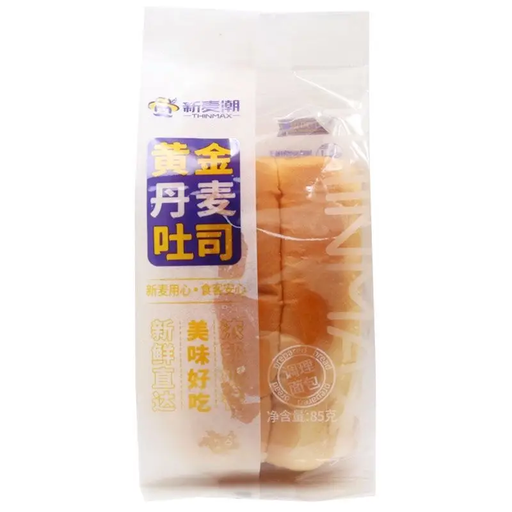 Image unavailable
This 85-g pack is an option for topped toast at a small dinner. If the ingredients matter to you, check the details for the specific product.
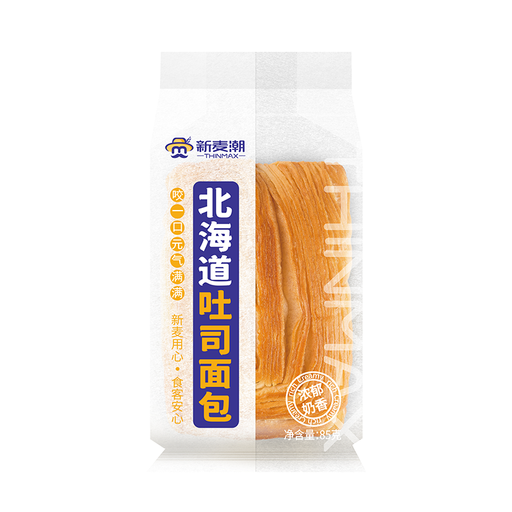 Image unavailable
If you’re looking for toast bread in an 85-g pack for dinner, this is one option. Check the pack format if you need a specific number of individual slices.
 Image unavailable
If you’d prefer pumpernickel to toast for your sandwiches, this 500-g pack is an option. For dinner for two, think about how you’ll use any leftover bread.
No. According to the German Nutrition Society, colour alone isn’t a reliable way to tell whether bread is wholemeal. Look for the word “wholemeal” on the product.
Check the ingredients list and allergen information for the specific bread. The type of product alone doesn’t tell you which allergenic ingredients are in that particular recipe.
Store bread in a dry place, away from light and at room temperature, following advice from the consumer advice centre. Also check the storage instructions on the pack.
No, mouldy bread should be thrown away in its entirety. The consumer advice centre and the German Federal Institute for Risk Assessment warn that mould can spread beyond visible patches and that mould toxins may pose a risk.
Ask for the allergen information for the specific bread before buying it. Lebensmittelklarheit explains that information about the main allergens must also be available for unpackaged goods.