
Lieferung heute & morgen

Qualitätsgarantie

Willkommens-Angebote freischalten: KOSTENLOSE Lieferung | Bis zu 80 % RABATT | Kostenlose 30-Tage-JoyPlus-Testphase
App herunterladen
A small bathroom doesn't mean you have to sacrifice storage and order. A tall, slim bathroom cabinet can transform unused nooks into valuable space for towels, cosmetics, and cleaning supplies. However, the selection is vast, and not every model lives up to its promise. Many narrow cabinets turn out to be unstable or begin to swell after a short time in the humid bathroom climate.
As your Joybuy Product Recommendation Officer, I'm here to help you recognise the common pitfalls and make an informed decision. This guide will show you the crucial features to look for to find a durable and practical storage solution.
Before you invest, you should be aware of the most common problems that arise with cheap or poorly designed models.
To avoid a poor purchase, focus on three key technical features. These determine the durability, safety, and utility of your new cabinet.
The choice of material is fundamental for bathroom storage. Pay attention to the following points:
Measure the intended niche precisely—in width, depth, and height. A bathroom cabinet with a 20 cm width is a common solution for very narrow gaps. However, the most critical safety component is the anti-tip device. Every tall cabinet, especially a slim model, must be secured to the wall. Check if the necessary mounting hardware for wall attachment is included. This is not an optional extra, but a necessity.
A good niche cabinet for the bathroom adapts to your needs. Look for:
Here are some solutions tailored to different needs and room situations.
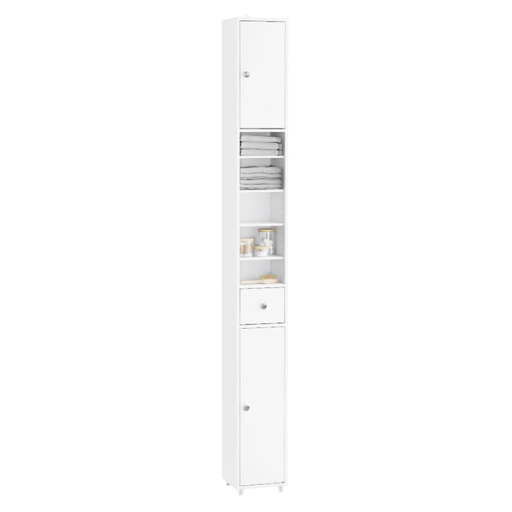
Why This Fits Their Persona: Ideal for those who want to fill an extremely narrow niche (20 cm) with maximum, enclosed storage. Perfect for completely concealing clutter and creating a calm aesthetic.
The height-adjustable shelves solve the problem of an impractical interior layout. The included wall mount counteracts the risk of an unstable construction.
A combination of 6 compartments and one drawer for flexible organisation. The matte white finish on the MDF boards is suitable for humid rooms and easy to clean.
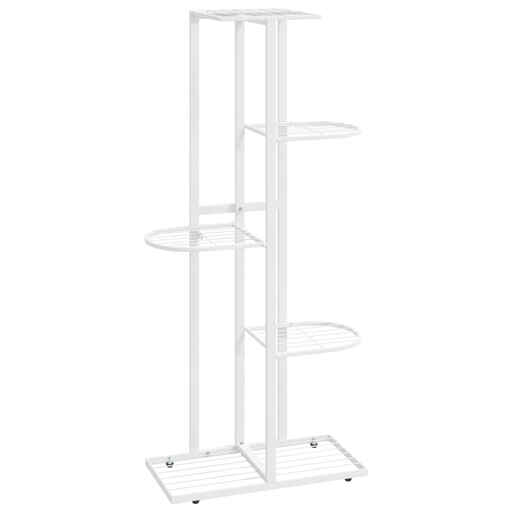
Why This Fits Their Persona: For users looking for an airy, less bulky alternative to a closed cabinet. Ideal for displaying nice towels, plants, or perfume bottles.
The powder-coated steel frame is naturally resistant to moisture, completely bypassing the problem of swelling wood composites. The sturdy metal construction is also torsion-resistant.
Five tiers make optimal use of vertical space. The minimalist design blends discreetly into modern bathrooms and makes the room appear larger.
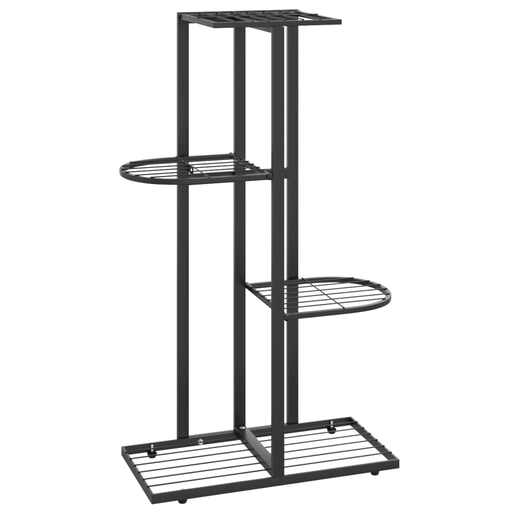
Why This Fits Their Persona: A more compact solution for very small corners, as a side shelf next to the sink or toilet. Well-suited for renters who prefer a flexible, non-permanent solution.
Here too, the powder-coated steel prevents moisture damage. Due to its lower height and stable A-frame design, it is steady even without wall mounting, provided it is loaded correctly.
Very small footprint and low weight. The shelf can be easily moved if needed and offers space for the essentials on four levels.
If you're looking for other models that meet our criteria for stability and material resistance, you'll find a suitable selection here.
1. How do I securely attach a slim tall cabinet to the wall? Every tall cabinet should be fixed to the wall with an anti-tip device. This usually consists of a bracket and screws, which are included in the delivery. Use wall anchors that are appropriate for your wall type (e.g., drywall, concrete). The device is typically attached at the top of the cabinet to minimise leverage if it starts to tip.
2. What is the best material for a bathroom cabinet in a windowless bathroom? In a windowless bathroom with high humidity, the choice of material is particularly critical. Furniture made of solid plastic or powder-coated metal is ideal, as these materials are impervious to water. For wood composites like MDF, an absolutely flawless and completely sealed surface (lacquer or coating) is essential.
3. Can you set up a slim cabinet without drilling? For safety reasons, wall mounting is strongly recommended for tall cabinets. If drilling is not an option (e.g., in a rental apartment), you should choose a lower, very stable model with a wide base. Alternatively, there are tension-rod shelves that are braced between the floor and ceiling. A tall, narrow cabinet without anchoring always poses a safety risk.