
Lieferung heute & morgen

Qualitätsgarantie

Willkommens-Angebote freischalten: KOSTENLOSE Lieferung | Bis zu 80 % RABATT | Kostenlose 30-Tage-JoyPlus-Testphase
App herunterladen
By the Joybuy Product Recommendation Officer, August 30, 2026
A narrow hallway presents a recurring challenge for many households: where to put shoes without creating tripping hazards or making the entryway look cluttered? A slim shoe cabinet seems like the logical solution. However, the market is flooded with models whose practical flaws often only become apparent after purchase. This guide highlights the crucial criteria you should review before buying to find a durable and functional shoe storage solution for your entryway.
Before you make a decision, it's important to understand three common pitfalls that lead to buyer's remorse:
To avoid these problems, you should focus on three core parameters. These will determine whether a slim shoe cabinet is a true asset to your hallway or just another source of frustration.
Stability is crucial for tall, narrow furniture. Look for the following features:
The external dimensions are only half the story. Effective usability depends on the internal measurements and a smart layout.
The choice of design depends on your priorities: maximum ventilation, a tidy appearance, or added utility.
Instead of making a one-size-fits-all recommendation, we've identified products tailored to specific needs and living situations.
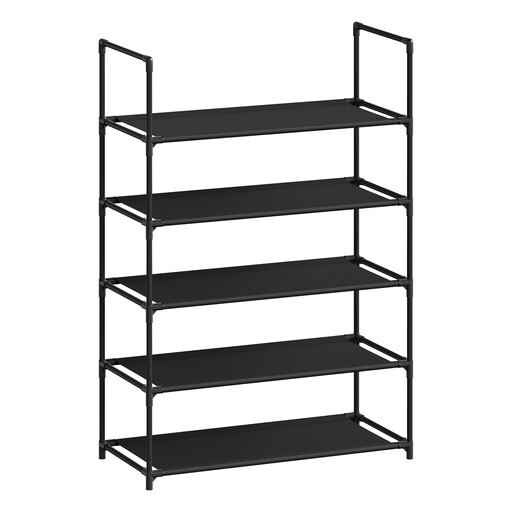
Why it's a great fit: Ideal for a first apartment, student housing, or anyone looking for a straightforward, cost-effective solution. It leverages the room's height without taking up valuable floor space.
It bypasses the instability trap with a frame made of coated metal tubes and specified load limits per tier (up to 5 kg, according to the manufacturer).
Tool-free assembly via a push-fit system and removable shelves for flexible adaptation to taller footwear like boots.
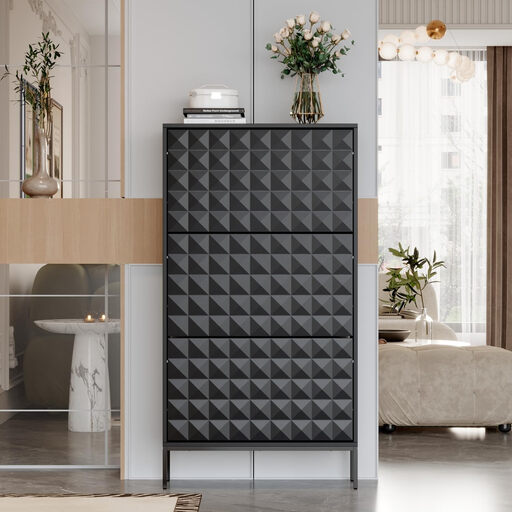
Why it's a great fit: For families or couples who need high capacity and value a tidy, elegant entryway. The closed design conceals shoe clutter.
It addresses the issue of ill-fitting dimensions with adjustable and removable dividers in each compartment, allowing it to accommodate larger shoes or ankle boots.
High capacity (up to 24 pairs of shoes, per the manufacturer) with a very slim profile (24 cm depth). The MDF construction ensures stability and a premium look.
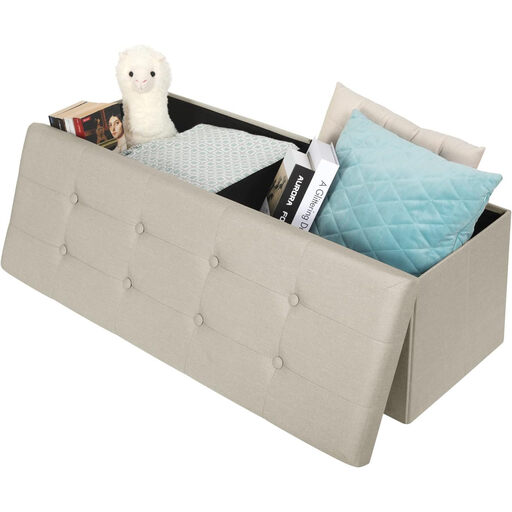
Why it's a great fit: Perfect for anyone who needs more than just shoe storage in a tight space. This solution combines comfortable seating with generous storage inside.
It solves the instability problem with a sturdy MDF (E1 grade) frame that has a static load capacity of up to 300 kg (according to the manufacturer), making it a safe bench for sitting.
Dual function as a bench and storage chest. With 118 litres of storage, it has room for shoes as well as scarves, hats, or shoe care products.
We've compiled a complete, up-to-date list of products that meet these strict selection criteria and current safety standards.
For a tip-out shoe cabinet, a depth of at least 24 cm (approx. 9.5 inches) is recommended to comfortably fit shoes up to size 11 (US) / 44 (EU). For a slim shoe cabinet with shelves, you should check the usable internal depth of the compartments. A depth of 28-30 cm (11-12 inches) is a good benchmark here for most shoe types.
Standard tip-out cabinets are often not designed for tall boots or very large shoes (over size 12 US / 45 EU). Look for product descriptions that explicitly mention adjustable or removable dividers. These allow you to combine two compartments into one larger space to store boots or hiking shoes.
Always use the included anti-tip kit. This usually consists of a bracket or strap that is screwed to the furniture and the wall. Drill the hole into a solid wall (not drywall alone without a stud) and use a wall anchor appropriate for your wall type. This prevents the cabinet from tipping forward under load or if someone pulls on it.