Small kitchen, washing up every day
If you regularly have dishes left over from dinner, first check whether a freestanding or built-in model, including its dimensions and connections, will suit your kitchen.


First, choose a design that fits your available space or kitchen niche, then check that your largest dinner plates will fit in the basket alongside the rest of your evening dishes. If you need your dishes again soon, the duration of the everyday programme you plan to use matters most. For regularly full loads, Eco consumption figures are a more useful guide. If you regularly have more dishes to wash and have the space, a 60 cm model may also be worth considering.
If you regularly have dishes left over from dinner, first check whether a freestanding or built-in model, including its dimensions and connections, will suit your kitchen.
If you prepare meals during the week and need certain plates or containers again soon, usable basket space and the duration of the right programme are key.
If you can wait until you have a full load, comparable Eco figures for electricity, water and noise can help you assess models using the same measures.
A good fit if: you have a suitable space with the right connections and don't need a furniture door.
The trade-off: External dimensions and basket space differ from built-in models and larger designs.
A good fit if: you have, or are planning, a suitable niche and a furniture door that fits the model.
The trade-off: The niche dimensions, door and installation all need to be compatible. With semi-integrated models, the control panel remains visible.
A good fit if: you have the space and regularly have so many dishes that you can barely fill a slimline dishwasher in one load.
The trade-off: The extra capacity takes up more width. Consumption figures are only useful to compare when the loads are similar.
| What matters | What to check when buying | Who it matters most to |
|---|---|---|
| Design and space required | Check the specific model's external dimensions, niche or available space, furniture door and installation requirements. | If I have a small kitchen, the appliance needs to fit the space and connections. Around 26% of consumers put the design and installation setup first. |
| Space for dinner plates | Measure your largest plate and check that it will fit in the basket with cutlery and a typical load. | If I want to wash my dinner plates with the rest of the evening dishes in one load, I check the basket of the specific model. Around 26% of consumers prioritise space for plates and in the basket. |
| Having your dishes ready in time | Check the duration and loading instructions for the programme you actually plan to use. | If I need certain items before I next use them, the duration of a suitable programme matters. Around 21% of consumers prioritise having their dishes ready again quickly. |
| Electricity and water consumption | Compare kWh per 100 Eco cycles and litres per Eco cycle on a like-for-like basis, taking your own washing frequency into account. | If I run the dishwasher regularly, I want to compare consumption figures for similar Eco loads. Around 16% of consumers focus on consumption. |
| Noise | Compare the noise emissions on the EU energy label and consider when you plan to run the dishwasher. | If I wash up in the evening or have an open-plan kitchen, noise is an important factor for me. Around 11% of consumers prioritise quiet operation. |
The German Environment Agency recommends running full loads on the Eco programme. Energy label figures are based on the Eco programme and cannot automatically be applied to quick or automatic programmes.
Freestanding and integrated models can differ in height and depth. A semi-integrated model may also be supplied without a furniture door.
Measure the available space or niche fully, then check the design, door and installation details against the specifications for the specific model.
A built-in model may need a compatible furniture door. Also check which installation services are included in the offer.
The stated capacity alone doesn’t tell you whether your plates will fit in the basket with cutlery, glasses and other dishes.
Measure your largest plates and check how the basket is arranged with a typical mixed load. Bear in mind that changing the height of an adjustable upper basket can affect the space in the other basket.
Energy label figures are based on the Eco programme; quick and automatic programmes work under different conditions.
Use Eco figures to compare models, then check the duration and consumption of the programme you plan to use day to day.
The freestanding 45 cm SPS4HMI49E is worth considering if you don't need a furniture door.
The freestanding 45 cm BDFS26040XQ is an option if you have a suitable space for it.
The fully integrated 45 cm SR63EX25KE requires a suitable niche and furniture door.
The semi-integrated 45 cm BK6PC11BS7A0 is designed for a suitable niche, with its control panel left visible.
The fully integrated 45 cm G 5790 SCVi SL is an option for a kitchen with a suitable furniture door.
This selection features 45 cm freestanding dishwashers for suitable spaces and everyday loads of dishes from dinner.
 No image available
For a freestanding space; check the appliance dimensions against the room available.
Listed in the product name: 5 programmes and a stainless steel interior.
The listed dimensions of 84.5 × 44.8 × 60 cm need to fit the available space.
 No image available
For a freestanding space; check the dimensions and whether the basket will fit your largest plates.
Beko lists energy class C, 8.9 l per Eco cycle and 44 dB(A) for this model.
The upper basket is height-adjustable; the listed appliance dimensions are 850 × 448 × 600 mm.
 No image available
For a freestanding space; check the listed dimensions against the room available.
Listed in the product name: 6 programmes and a delay-start function.
The listed dimensions are 81.5 × 44.8 × 55 cm; the basket is also stated to be height-adjustable.
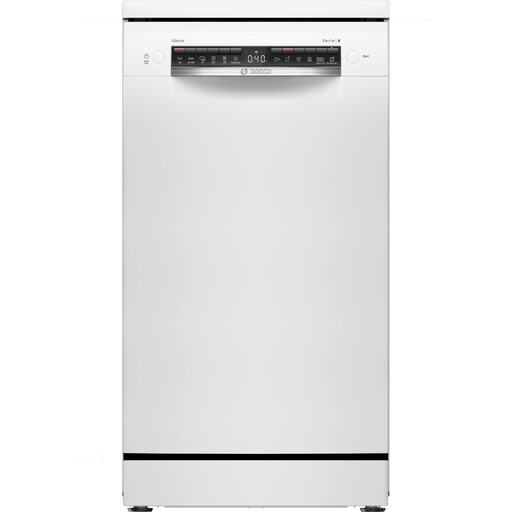 No image available
For a freestanding space; before buying, check the dimensions and basket layout for your load.
Listed in the product name: energy class E and a Vario-Flex basket system.
The listed dimensions are 84.5 × 45 × 60 cm.
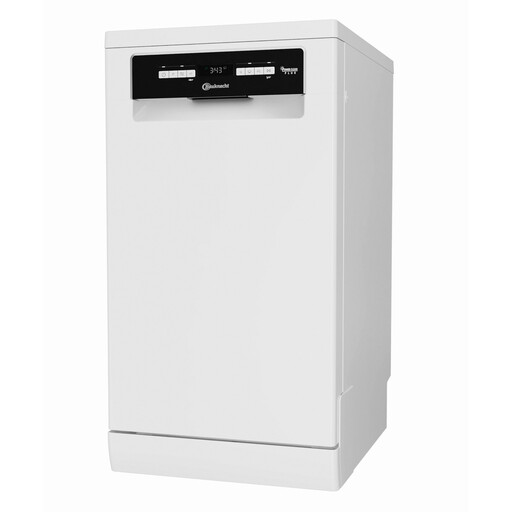 No image available
For a freestanding space; check the dimensions against the room available.
Listed in the product name: energy class D and PowerClean.
The product name also lists ActivDry; the stated dimensions are 850 × 450 × 590 mm.
It depends on the diameter of your plates, the basket layout and the rest of the load. Measure your largest plates and check that they'll fit in the planned basket arrangement with your cutlery and other dishes. The place-setting figure alone won't tell you.
You can't tell from the Eco figures on the energy label. Check the programme duration and consumption for the cycle you want in the manual for the specific model, and follow its loading instructions.
Check the dimensions of the available space or niche and, for built-in models, the furniture door against the installation instructions for the specific model. Also confirm which services are included in the offer, such as connection, installation or removal of an old appliance.
The German Environment Agency recommends running the dishwasher fully loaded on the Eco programme and not pre-rinsing dishes with hot water. Regeneration salt is important for softening the water; follow your appliance manual for the settings and any other care steps.
The EU energy label for dishwashers shows energy efficiency on a scale from A to G, along with information including electricity use per 100 Eco cycles, water consumption, Eco programme duration and noise. Germany's Federal Ministry for the Environment notes that old electrical appliances should be taken to an authorised collection or take-back point, not put in household rubbish. Before buying, check whether collection of your old appliance is offered and what conditions apply.