Homes with a narrow kitchen space
When space is limited, width isn’t the only thing that matters: the appliance type and its full dimensions must suit the available space and connection points.


First, choose the type of appliance that suits your kitchen, then check its height, width and depth against the available space. Next, consider your own cups and other dishes to see whether the basket layout and capacity will work for you. To compare running costs, look at the figures for the same Eco programme on the EU energy label.
When space is limited, width isn’t the only thing that matters: the appliance type and its full dimensions must suit the available space and connection points.
If you regularly load dishwasher-safe mugs and cups alongside other dishes, check the basket height and whether there’s room for your own cups.
If preparing ingredients leaves you with bowls or other dishes to wash, easy loading and accessible surfaces matter. This alone doesn’t mean the dishwasher has a special programme for particular ingredients.
Start by measuring the space and checking the type of appliance, then picture how your cups and other dishes will fit in the baskets. If you have a 60 cm space and a household of two or more can always run a full load, the German Environment Agency tends to recommend a 60 cm model. This is an option to consider in certain circumstances, not a blanket reason to rule out slimline models.
| What matters | What to check before buying | Who is this important to? |
|---|---|---|
| Fit and appliance type | Check the available space against the appliance’s full dimensions. Choose a freestanding, under-counter or fully integrated model to suit your kitchen. | If my kitchen only has a narrow space, I want to make sure the appliance type and dimensions are right before I buy. Around 33% of consumers put fit first. |
| Room for cups | Measure your cups and check the basket height and adjustable features of the specific model. | If I have tall or wide cups, I want to know whether they’ll fit in the baskets alongside my other dishes. Around 27% of consumers prioritise space for cups. |
| Food-prep dishes and leftovers | Plan to load your usual dishes together. Remove larger food scraps and position items so the water jets can reach their surfaces. | If preparing ingredients leaves me with extra dishes, I want to be able to load those and my cups together. Around 20% of consumers prioritise being able to wash food-prep dishes. |
| Energy use and noise | Compare kWh per 100 Eco cycles, litres per Eco cycle, programme duration and noise levels on a like-for-like basis. | If I use the dishwasher frequently, I want to weigh up its running costs and noise against my everyday needs. Around 20% of consumers look at energy use and noise first. |
Freestanding, under-counter and fully integrated appliances aren’t interchangeable. The height, depth, door opening and connections must also suit the space you have in mind.
Measure the full space and check the installation type and what’s included with the specific offer.
The place-setting capacity doesn’t tell you exactly how many of your cups will fit alongside your other dishes. Adjusting the baskets can also change the available height.
Compare the dimensions of the cups you use regularly with the basket layout of the specific model.
The current EU energy label for dishwashers uses a scale from A to G and shows standardised Eco figures. An older A+++ rating isn’t directly comparable.
Compare current labels using the same Eco cycle, then consider how you’ll use the dishwasher.
The glass-and-fork symbol indicates that an item is suitable for contact with food; it doesn’t mean it’s dishwasher-safe.
Check the care instructions for each cup and accessory individually.
The freestanding slimline SPS4HKW49E is an example of a model with an adjustable basket system.
The freestanding BDFS26040XQ is an example of a 45 cm model with a height-adjustable upper basket.
The G 5790 SCVi SL is an example of a slimline fully integrated appliance.
The freestanding GSP 14746-1 W is an example of a slimline model.
The BSUO 3O33 PF X is an example of a slimline under-counter model with a cutlery tray.
The models below are freestanding slimline dishwashers for kitchens with a suitable space. Compare the basket layout and stated energy-use figures with your cups and the dishes you use when preparing ingredients.
 Image unavailable
Worth considering if you’re looking for a freestanding 45 cm model with room for 10 place settings.
C energy rating; stainless steel finish.
 Image unavailable
An option if you’re looking for a freestanding slimline model with room for 9 place settings.
6 programmes, including Eco and Intensive; silver finish.
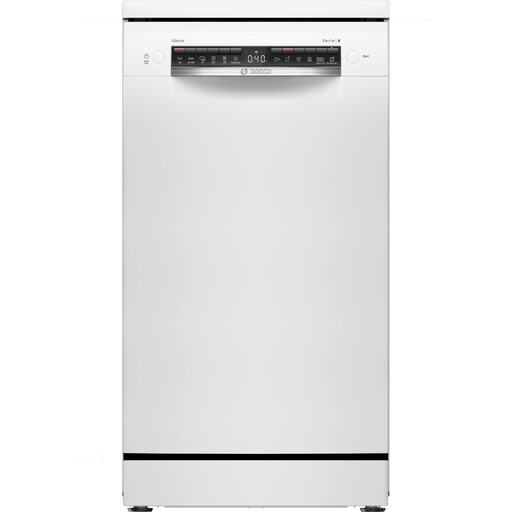 Image unavailable
Worth considering if you’re looking for a freestanding slimline model with an adjustable basket system.
Vario Flex basket system; E energy rating.
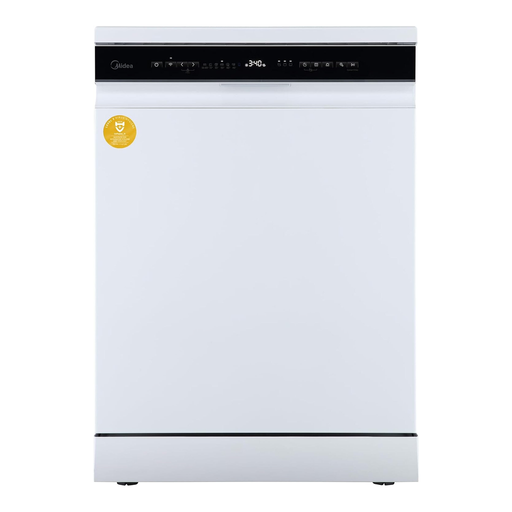 Image unavailable
Worth considering if you’re looking for a freestanding 45 cm model with a cutlery basket and room for 10 place settings.
Height-adjustable upper basket; white finish, C energy rating.
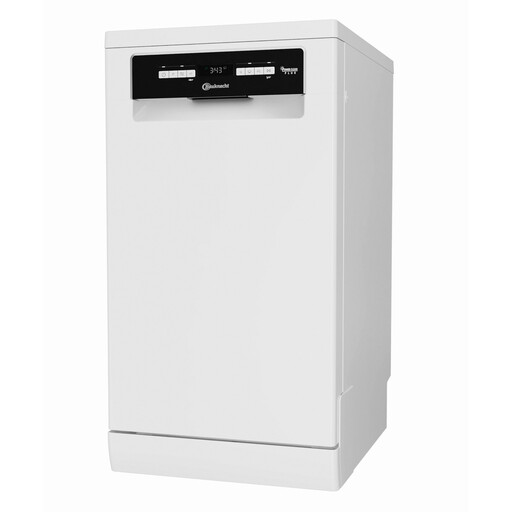 Image unavailable
An option if you’re looking for a freestanding slimline model with room for 10 place settings.
PowerClean and ActivDry; D energy rating.
No. The symbol indicates that an item is suitable for contact with food, not that it’s dishwasher-safe. Check the manufacturer’s guidance on dishwasher use for each cup and accessory.
The German Environment Agency recommends scraping large food scraps into the bin and not rinsing dishes by hand before loading. Arrange items so the water jets can reach their surfaces.
Check that the appliance type and its full dimensions suit your kitchen, and consult the installation instructions for the specific model. Ask the retailer whether delivery to your chosen room, installation and, if required, removal of your old appliance are included or available at an extra cost.
Compare the kWh per 100 Eco cycles shown on the current energy label, then estimate your costs based on how often you expect to run the dishwasher and your electricity tariff. Also follow the appliance’s care instructions, including any guidance on water softening.
Household dishwashers use the EU scale from A to G. Among other information, the label shows energy use per 100 Eco cycles, water use per Eco cycle, capacity and noise level. Older buying advice using A+++ refers to a different scale from the one in use since March 2021.
Under § 17 ElektroG, retailers covered by the relevant rules must take back an old appliance free of charge when supplying a new electrical appliance of the same type with broadly the same functions. If the new appliance is delivered to your home, the law also covers free collection of the old one. When placing your order, check whether the rules apply to the retailer and delivery in question.