Cooking without a hob
If you can’t use a hob during your renovation, you’ll need a suitable place for an electric cooking appliance. To brown ingredients in the appliance, it must have a dedicated sauté function.


If you can’t use a hob during your kitchen renovation, you’ll need a slow cooker with a dedicated sauté function to brown ingredients in the appliance. An insert that can be placed on a hob won’t help in this situation. Check that your recipe quantity suits the pot capacity, and make sure the appliance can be set up safely in your temporary cooking space. The German Federal Institute for Risk Assessment (BfR) recommends heating poultry to at least 70 °C at its centre for two minutes. A timer and keep-warm setting are no substitute for checking the temperature.
If you can’t use a hob during your renovation, you’ll need a suitable place for an electric cooking appliance. To brown ingredients in the appliance, it must have a dedicated sauté function.
If you’re adding chicken, vegetables and liquid to the pot for several meals, check your recipe quantity against the capacity and fill guidelines for the specific model.
If you’re cooking around renovation work or your job, adjustable cooking times or a keep-warm function may help you plan. You’ll still need to check the temperature of the finished dish yourself.
First, check that you can use the slow cooker safely in the space available and decide whether you want to brown ingredients without a hob. Then consider the right recipe quantity, cooking time, temperature checks and cleaning.
| What matters | What to check before buying | Who should pay particular attention? |
|---|---|---|
| A suitable space and cooking without a hob | Set-up instructions and power supply; sauté function in the appliance | If you’re cooking on a temporary worktop and want to brown ingredients without a separate hob, the appliance’s functions are key. Around 25% of consumers put a suitable cooking space and the ability to cook without a hob first. |
| Chicken cooked through safely | Plan to use a food thermometer; measure the thickest part | If your stew contains poultry, you’ll want to make sure it has been heated sufficiently; a long cooking time alone doesn’t tell you that. Around 25% of consumers prioritise making sure chicken is cooked through safely. |
| Portion size and pot capacity | Recipe quantity and fill guidelines; appliance dimensions | If you’re preparing several portions or meals, everything needs to fit in the pot without exceeding the fill limits. Around 20% of consumers pay particular attention to getting the portion size right. |
| Cooking time and mealtimes | How the timer works; keep-warm temperature | If your mealtimes vary while the renovation is under way, clear time controls can help you plan. Around 15% of consumers place particular importance on being able to plan the cooking time. |
| Cleaning in a temporary kitchen | Cleaning instructions for the pot, lid and appliance base | If your sink or dishwasher is only partly available during the renovation, you’ll want to know how to clean each part. Around 15% of consumers focus on how much cleaning is involved. |
An insert designed for use on a hob can be used to brown ingredients there, but you’ll need access to a hob. That’s not the same as having a sauté function in the electric appliance itself.
If you can’t use a hob, check specifically whether the appliance can sauté. Otherwise, you may need extra cooking equipment to brown ingredients before adding them to the slow cooker.
A separate pan or hob takes up extra space, which may be limited in a temporary kitchen.
A keep-warm indicator doesn’t prove that the chicken has reached a sufficiently high temperature at its centre. When keeping food warm, the temperature of the food matters, not just the appliance setting.
Use a suitable thermometer to measure the chicken’s internal temperature, and check the temperature of the dish if you’re keeping it warm for an extended period.
Advertised serving sizes are no substitute for checking how your recipe will fit. A removable insert isn’t necessarily dishwasher-safe either.
Compare your recipe quantity with the fill guidelines, and check the cleaning instructions for every part of the specific model.
The range includes slow cookers in different sizes. According to Crock-Pot, the CSC111X is designed for smaller quantities.
The manufacturer describes the MaxiCook 22750-56 as a slow cooker for larger quantities.
The Instant Superior Slow Cooker is aimed at buyers looking for slow cooking and sautéing in one electric appliance.
The VS-3915 is a 3.5-l slow cooker for smaller batches of stew.
According to the manufacturer, the Vintage 2904/03 combines rice cooking, sautéing, steaming and slow cooking.
This selection includes electric appliances for slow cooking; some models also offer sautéing or other cooking functions. Check the capacity, controls and limitations against your chicken stew recipe and the space you have available.
 No image available
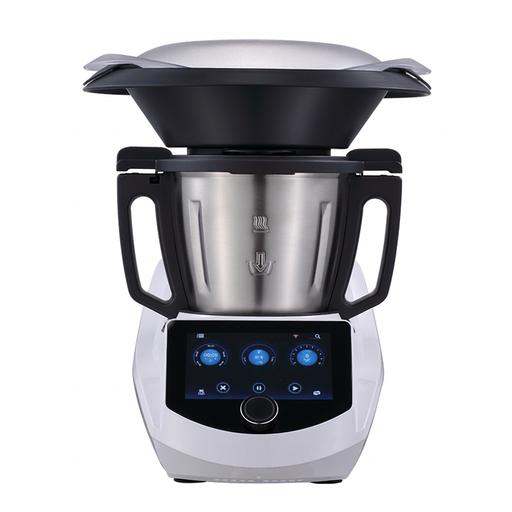
The description lists slow cooking and sautéing, making this appliance worth considering if you want to slow-cook and brown ingredients in the same appliance.
The product name mentions a colour display. It should be used on a stable, heat-resistant surface.
 No image available
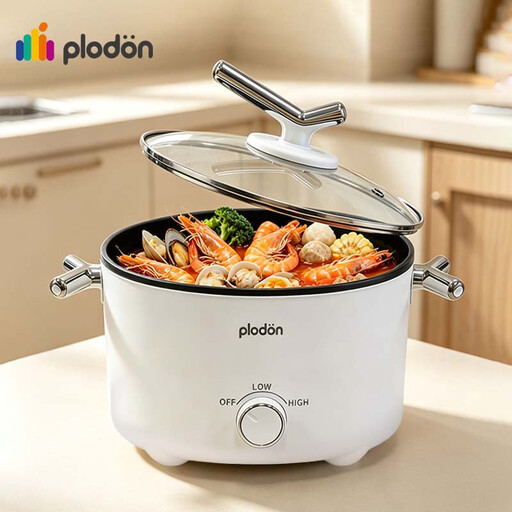
This appliance is described as being for slow cooking and may suit smaller quantities; compare the pot capacity with your recipe.
Features listed include a 2.6-l inner pot, two manual heat settings, a detachable mains plug and an egg-steaming attachment. The description advises against high-temperature frying.
 No image available
The product title calls it a slow cooker, and the description lists gentle simmering. This compact appliance may suit a smaller recipe quantity.
It has a capacity of 2.0 l. Do not fill it beyond the stated maximum of two-thirds full.
 No image available
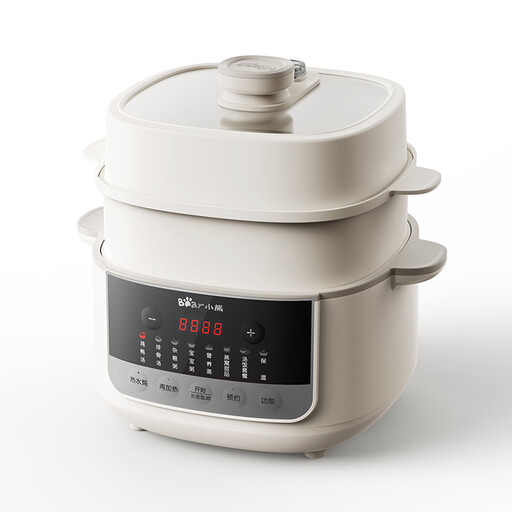
This model is described as an electric slow cooker and may be suitable for slow cooking if its capacity matches the quantity you’re planning to make.
The description lists a main pot and four additional inner pots, as well as functions for steaming and making soup. Steam escapes during use; to avoid scalds, wait a few minutes after cooking before opening the appliance.
 No image available
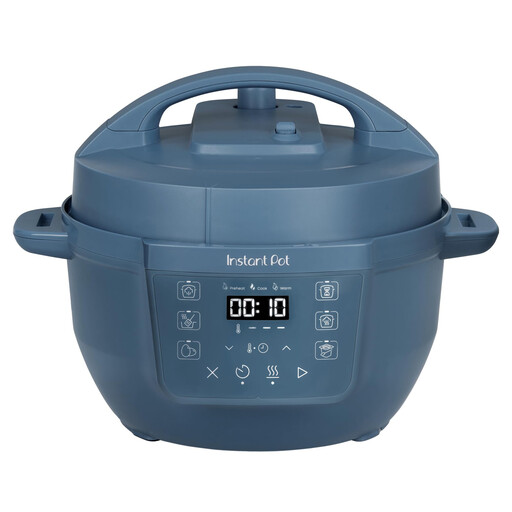
The description lists slow cooking and sautéing in one appliance. This is useful if you want to brown ingredients before slow cooking without a separate hob.
The listed capacity is 3.8 l, with an adjustable cooking time and room for up to four portions. Some parts of the appliance are described as dishwasher-safe.
A hob-safe insert is placed on a hob to brown ingredients; a sauté function heats the food inside the electric appliance designed for that purpose. If you don’t have a hob during your renovation, check specifically for a sauté function.
No. Measure the internal temperature at a suitably thick point: the BfR recommends heating poultry to at least 70 °C at its centre for two minutes. Keep raw poultry separate from ready-to-eat food while preparing your meal.
Follow the instructions for your specific model. The Instant Superior Slow Cooker manual requires a stable, level, non-flammable surface and warns against using the appliance near water. Check that your temporary space and power supply are suitable before use.
FoodSafety.gov recommends safely thawing frozen poultry before slow cooking and starting to cook it straight after preparation, rather than leaving raw ingredients out until a delayed start. This is food safety advice, not a German legal requirement claimed here.
Keeping food warm is no substitute for cooking it through or checking its temperature. The BfR recommends keeping heated food at a temperature of at least 60 °C throughout until it is eaten. Check the food itself rather than relying on the appliance setting alone.