
Lieferung heute & morgen

Qualitätsgarantie

Willkommens-Angebote freischalten: KOSTENLOSE Lieferung | Bis zu 80 % RABATT | Kostenlose 30-Tage-JoyPlus-Testphase
App herunterladen
Purchasing a slow juicer is an investment in your health and nutrition. But the market is flooded with marketing promises that often create more confusion than clarity. Many devices quickly prove to be impractical, difficult to clean, or fail to deliver the expected juice quality. This guide will help you identify the crucial features and avoid common purchasing traps, enabling you to make an informed decision.
Before diving into specific models, it's important to understand the most common issues that lead to user frustration. Knowing these points will protect you from buyer's remorse.
To find the right juicer for fruits and vegetables, you should focus on objective technical features rather than vague marketing slogans.
The method of juice extraction is the most important factor for juice quality and nutrient content.
For practical, everyday use, two other aspects are of great importance:
Instead of making a one-size-fits-all recommendation, we have identified models tailored to specific use cases.
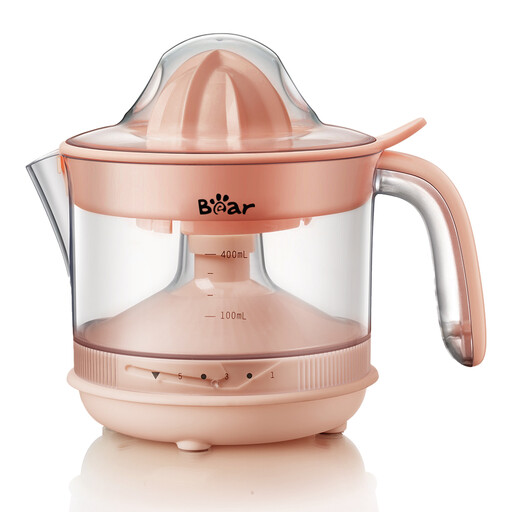
Why it's a good fit: Ideal for anyone who wants to quickly and easily prepare fresh orange or lemon juice. The device focuses on one task and performs it efficiently, without the functional scope and complexity of a full-fledged slow juicer.
This device doesn't promise to do everything. Its simple design with few, removable parts makes cleaning genuinely fast and easy. The "Easy to Clean" trap is avoided through its specialised, uncomplicated construction.
Features 5 adjustable levels to control the amount of pulp in the juice. The bladeless design increases safety during use.
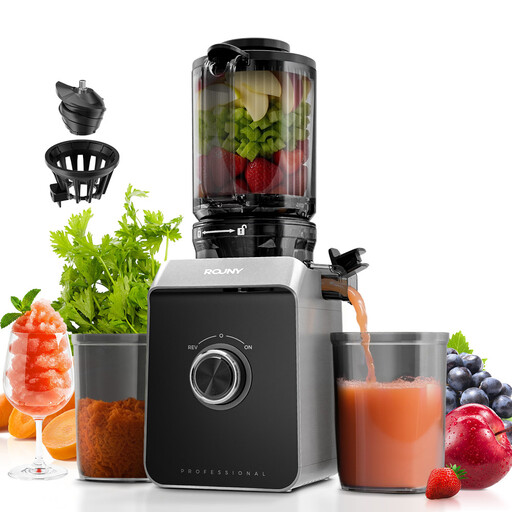
Why it's a good fit: Designed for daily use with a focus on convenience and versatility. This cold press juicer is suitable for a wide range of fruits and vegetables and minimises preparation and cleaning time.
The 130 mm wide feed chute drastically reduces the need for pre-cutting. The filter-free design directly addresses the "Hard to Clean" trap by preventing the clogging of a fine sieve and allowing for easy rinsing under running water.
The low rotation speed of 50 RPM is designed for maximum nutrient preservation. The device can also process frozen fruits to make sorbet, which is a useful extra feature for families.
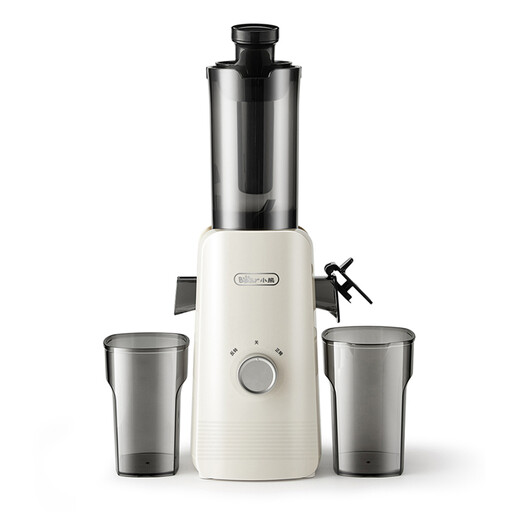
Why it's a good fit: This model combines the benefits of a slow juicer with a focus on easy handling and a space-saving design. It's a great choice for users who want high-quality juice but value a quick and uncomplicated routine.
According to the manufacturer, the device consists of only three main components, which simplifies disassembly and cleaning. The 80 mm feed chute is a practical feature that reduces prep time, thus removing a common barrier to daily use.
The patented spiral structure is designed for a high juice yield from mixed fruits and vegetables. Its compact design makes it suitable for kitchens with limited counter space.
We have compiled a complete, up-to-date list of products that fully meet these strict selection criteria and safety standards.
A Slow Juicer (also known as a Cold Press Juicer) uses a slowly rotating auger to crush fruits and vegetables and gently press out the juice. This process generates little heat and preserves more nutrients. A centrifugal juicer shreds produce with a fast-spinning blade and flings the juice out through a sieve. This process is faster but can diminish juice quality through heat and oxidation.
The cleaning effort varies greatly by model. Devices with many individual parts and fine metal sieves are more time-consuming to clean. Models with filter-free designs, fewer parts, or a pre-cleaning function are significantly more user-friendly. It is advisable to rinse the device under running water immediately after use, before any fruit residue can dry.
Yes, most high-quality slow juicers are designed to process hard root vegetables. The auger is typically robust enough to efficiently juice carrots, beetroot, or ginger. It is recommended to cut very hard ingredients into smaller pieces to protect the motor and ensure smooth operation.