
Lieferung heute & morgen

Qualitätsgarantie

Willkommens-Angebote freischalten: KOSTENLOSE Lieferung | Bis zu 80 % RABATT | Kostenlose 30-Tage-JoyPlus-Testphase
App herunterladen
A slow juicer processes fruit and vegetables using a slowly rotating auger. Unlike a traditional centrifugal juicer, it focuses on gently crushing and pressing the ingredients rather than spinning at high speed. A cold-press juicer can be a good choice for individuals, couples and families who regularly make fresh juice and want to keep cleaning and noise levels manageable in everyday use.
However, some marketing claims can easily lead to the wrong choice. A high wattage does not automatically mean a higher juice yield. Claims such as ‘for whole fruit’ also need to be checked carefully: what matters is the actual size of the feed chute, which ingredients are suitable and what preparation is recommended.
A slow juicer with a large feed chute can cut down on preparation time. However, hard stones, stalks and unsuitable ingredients should not simply be put into the machine. Depending on the model, citrus fruit may need to be peeled, stone fruit pitted and fibrous vegetables chopped.
Check the following:
An 80 mm opening is practical for everyday use, while models with 130 or 135 mm openings can accommodate larger pieces. ‘For whole fruit’ does not mean that every ingredient can be processed without preparation.
A juicer with a high juice yield sounds appealing, but manufacturers’ claims are not always directly comparable. Results depend on factors such as the type of fruit, how ripe it is, its water content, the size of the pieces and the pressing time.
Technical details can be more useful, including:
If a manufacturer gives specific percentages, treat these as the manufacturer’s own claims. They cannot be used to establish a universally applicable juice yield.
An easy-to-clean juicer should offer more than just removable parts. Check whether the filter, auger and juice channel are easy to access, and whether a cleaning brush is included or the parts are stated to be dishwasher-safe. Cleaning the juicer soon after use helps prevent fruit fibres from drying on.
Look for:
The motor unit must never be immersed in water. Before taking the juicer apart, switch it off and unplug it from the mains.
For a household with several people, container size is an important consideration. Models with a chamber capacity of around 1.8 litres are better suited to larger quantities than compact appliances with a capacity of 650 to 800 millilitres. However, greater capacity often means the juicer takes up more worktop space.
Measure the space available before you buy. As well as width and depth, remember to check the height beneath any wall cupboards.
Low speeds are a typical feature of cold-press juicers. Kenwood lists the PureJuice One at 55 revolutions per minute. The EUHOMY model is specified at 60 revolutions per minute with a 220-watt motor. These figures describe how the juicer works, but they are not a measure of quality on their own.
The permitted operating time is just as important. The WOOX MX0289 is specified for a maximum of ten minutes’ continuous use, followed by a cooling break. The Bear model is listed for use for up to 15 minutes per session. If you make larger quantities every day, take these limits into account when choosing a juicer.
A juicer with a stainless-steel sieve may offer benefits in terms of care and durability. SEVERIN, for example, lists stainless-steel micro-sieves and two filter inserts with fine and coarse mesh. Depending on the filter, the juice may be clearer or contain more fibre.
A filter system with different mesh sizes can affect the consistency. However, whether the juice is particularly clear or thicker also depends on the ingredients used. Follow the manufacturer’s guidance when juicing celery, leafy greens and other fibrous produce.
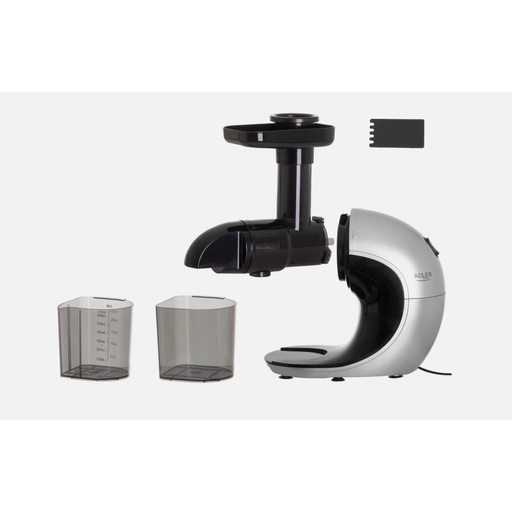
Why this product suits these needs: This 650 ml model is designed for individuals or households looking to make smaller quantities of juice. Its horizontal design takes up relatively little space on the worktop.
The capacity is clearly stated, so you can get a realistic idea of whether the appliance is suitable for one serving or several glasses.
150 watts of power, 650 ml capacity, and separate juice and pulp outlets.
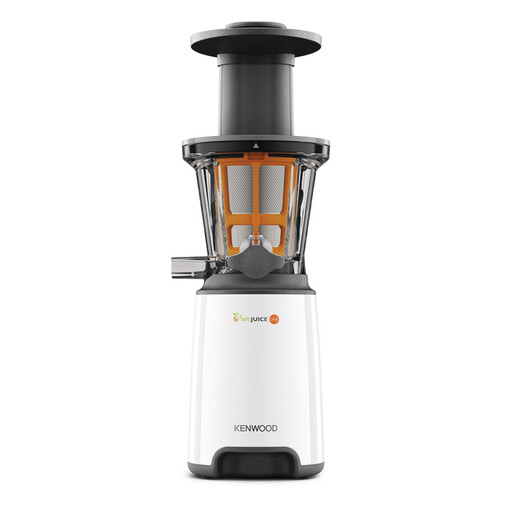
Why this product suits these needs: This compact appliance comes with a 700 ml juice jug, a 1.3-litre pulp container and a specified speed of 55 revolutions per minute.
The specifications include precise container capacities and a rinse function, making it easier to assess the work involved and the space needed in your kitchen.
55 revolutions per minute, anti-drip spout, cleaning brush and slim design.
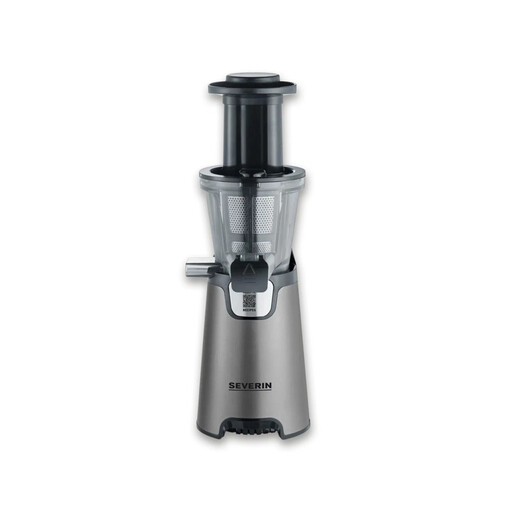
Why this product suits these needs: According to the product description, the appliance processes soft and hard fruit, vegetables and frozen fruit with the appropriate attachment. It is also designed for making sorbet and passata.
The two filter inserts and Easy-Clean design make it easier to assess the juice consistency you want and how easy the appliance will be to clean before you buy.
Stainless-steel micro-sieves, 1-litre juice container, anti-drip spout and cleaning brush.
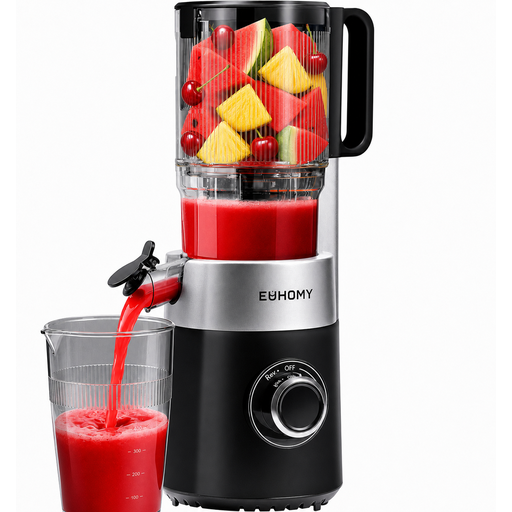
Why this product suits these needs: The 135 mm feed chute and 1.8-litre capacity are designed for larger quantities, with less need to top up the juicer while preparing them.
The feed chute size and container capacity are clearly stated, making it easier to judge the real benefits compared with a smaller appliance.
220-watt motor, 135 mm feed chute, 1.8-litre capacity and three-stage filter system according to the product description.
We’ve put together a complete, regularly updated list of products that meet these strict selection criteria and fully comply with the safety regulations in force in the EU.
That depends on the motor, operating time, container size and cleaning effort. An appliance with a capacity of 650 to 800 millilitres is often enough for daily single servings. Families should look for a larger capacity and a wide feed chute. Be sure to follow the manufacturer’s stated maximum operating time.
There’s no set lifespan. It depends on how often the juicer is used, the ingredients processed, how it is cleaned and whether the operating time limits are followed. Hard stones, ice cubes and unsuitable ingredients can put strain on the auger and filter. Rinsing it regularly, handling the sieve with care and storing it dry can help keep it working well for longer.
Electricity use depends on the motor’s power rating and how long the juicer is actually running. A 150-watt model running for ten minutes will, in theory, use less energy than an 800-watt appliance running for the same amount of time. However, wattage alone tells you nothing about juice yield, noise levels or suitability for particular ingredients. What matters is the combination of power consumption, speed and recommended operating time.