Fans of leafy greens
If you want leafy greens or fibrous ingredients to take centre stage in the juice you serve your guests, check that the specific model is suitable and find out which filter it comes with.


If leafy greens and fibrous ingredients are the stars of your juice, start by considering a slow juicer. If your priority is making several portions quickly from suitable ingredients, a centrifugal juicer may also be an option. What matters is whether the specific model is suitable for your ingredients, as well as its feed chute, containers and cleaning requirements. A large feed chute alone tells you nothing about how much juice the machine will collect or how well it handles leafy greens.
If you want leafy greens or fibrous ingredients to take centre stage in the juice you serve your guests, check that the specific model is suitable and find out which filter it comes with.
If you want to make several portions in a row, look beyond the feed chute and check the juice and pulp containers, as well as the steps involved in using the machine.
If you want to keep cleaning to a minimum after your guests leave, check the individual parts, how easy it is to reach the filter and outlet, and the model’s cleaning instructions.
A good fit if: You mainly want to make green juice with leafy greens and want to check whether the specific model and filter are suitable for your ingredients.
The trade-off: Juicing typically takes longer. The filter, auger and outlet may also mean more cleaning.
A good fit if: You want to make several portions quickly and the manual confirms that the model is suitable for your ingredients.
The trade-off: A fast-acting design doesn’t mean that every model handles leafy greens or fibrous ingredients well.
For green juice when you have guests, first check which ingredients the model can handle. Then think about how much time you’ll need for preparation, making portions and cleaning.
| Your priority | What to check | Who should consider this? |
|---|---|---|
| Leafy greens and fibrous ingredients | Check which ingredients are suitable, which filter is included and what the manual says about fibrous produce for the specific model. | If you want leafy greens to define the juice, you’ll want to make sure the machine is designed to handle your ingredients. Around 36% of consumers put suitability for leafy greens and fibrous ingredients first. |
| Several portions | Consider the feed chute and the capacities of the juice and pulp containers separately. Also check the guidance on operating time and breaks. | If you’re serving several guests, you’ll want to minimise chopping and interruptions. Around 29% of consumers prioritise the number of guests and speed. |
| Cleaning | Check which parts are removable and which the manual says are dishwasher-safe, as well as how to clean the filter and outlet. | If you want to spend less time washing up after your guests leave, look for cleaning instructions that are clear and parts that are easy to reach. Around 21% of consumers make cleaning their top purchase priority. |
| Upfront and ongoing costs | Check what’s included, which spare parts are available, the terms of any voluntary manufacturer’s guarantee and details of your statutory rights. | If you’ll only use the machine occasionally, weigh the cost of buying and owning it against how often you expect to use it. Around 14% of consumers focus on upfront and ongoing costs. |
The feed chute, juice container and pulp container serve different purposes. A large feed chute doesn’t tell you how much juice the machine will collect.
Compare all three specifications for the model you’re considering, and don’t estimate portions based on the size of the chute alone.
Depending on the container sizes, you may need to top up the juice container or empty the pulp container more often while your guests are there.
Good results with oranges or apples don’t prove that a model can handle leafy greens or fibrous produce just as well.
Check the manufacturer’s information or test results for the ingredients you plan to use, and follow the instructions for use.
Dishwasher suitability may apply to only some components. In the COMPUTER-BILD test, the lid of the Bosch MESM731M is specifically excluded.
Before buying, read the parts list and cleaning instructions for the specific model.
As the lid of the Bosch MESM731M is excluded, you’ll need to wash that part by hand.
The German Federal Institute for Risk Assessment points out that pre-cut raw produce is perishable and that particularly vulnerable people need to take extra care.
Wash fresh ingredients thoroughly, follow refrigeration guidance and, if you’re serving particularly vulnerable guests, prepare the ingredients shortly before serving.
Hurom’s slow juicer range may be worth considering if you want to make green juice and compare different filters.
Bosch offers slow juicers and centrifugal juicers with different features for green ingredients and making portions quickly.
The HR1922/20 may be worth considering if you want to choose between different juice textures.
The REVO830 slow juicer may appeal if you’re looking for separate feed chutes for larger fruit and long vegetables.
The Sam 78275 is a slow juicer alternative assessed in an independent German comparison.
The Joybuy products below are all slow juicers. For each model, check the manual to see whether it’s suitable for your leafy greens and fibrous ingredients.
 No image available
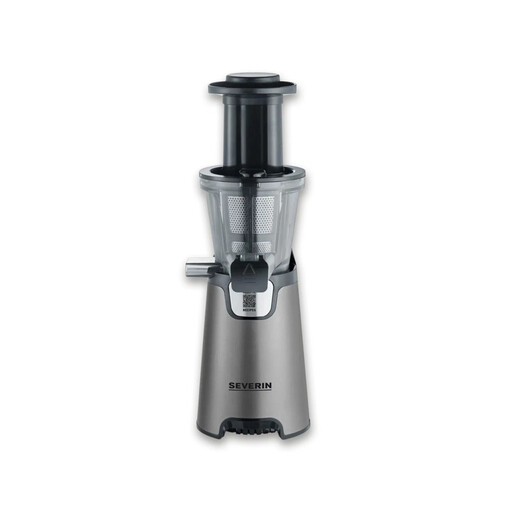
If you’re considering a slow juicer, check the manual to see whether the model is designed for the leafy ingredients you plan to use.
Listed in the product name: 1-litre juice container and 150 W.
 No image available
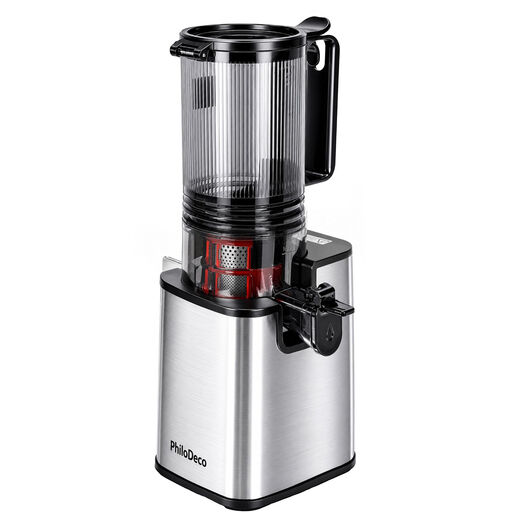
If the feed chute is an important part of your preparation, check the permitted ingredients in the manual as well as the stated diameter.
Listed in the product name: 250 W, 110-mm feed tube, 55–65 RPM, dual filter and anti-reverse function.
 No image available
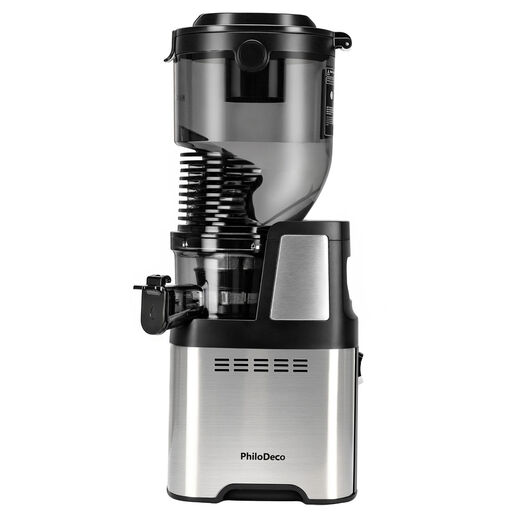
If you plan to use leafy greens, check whether the model is suitable for your specific ingredients and factor in the cleaning of its removable parts.
Listed in the product name: 9.5-cm feed chute and separate outlets. The product description says the removable parts need to be washed by hand.
 No image available
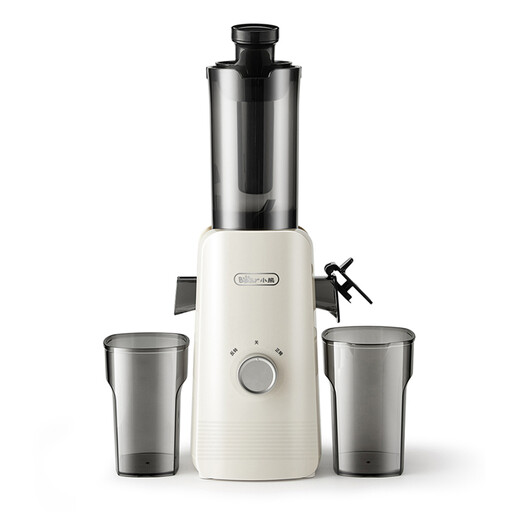
If you’re looking for a wide feed chute, also check whether the machine is suitable for the green ingredients you plan to use.
Listed in the product name: 1 L, 80-mm feed chute and silver finish.
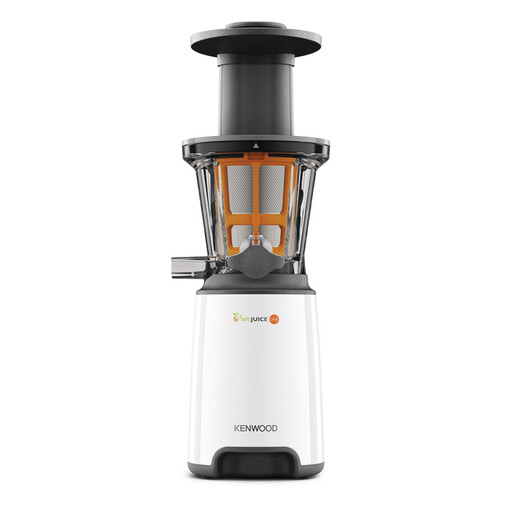 No image available
If you’re considering this slow juicer for green juice, check the permitted ingredients and cleaning instructions in the manual before buying.
Also check the capacities of the juice and pulp containers. Bosch lists a 1,250 ml juice container and a 2,000 ml pulp container for the MES3500. These figures describe different measurements from the 73-mm feed chute.
You can’t tell from the design or size of the feed chute alone. Check the manual for the specific model to see whether it can handle the leafy greens and fibrous ingredients you plan to use. Good results with fruit don’t automatically mean it’s suitable for leafy greens.
It depends on which parts are specifically listed as dishwasher-safe for that model. Bosch says that some parts of the MESM731M are dishwasher-safe; the COMPUTER-BILD test excludes the lid. So check the parts list and cleaning instructions.
The German Federal Institute for Risk Assessment recommends washing raw vegetables, leafy salads and fresh herbs thoroughly under drinking water before eating them. Follow the refrigeration instructions for pre-cut produce and use it promptly. For particularly vulnerable guests, the BfR recommends fresh, thoroughly washed ingredients prepared shortly before serving.
No. When you buy as a consumer in the EU, you have a statutory guarantee of at least two years against the seller. A voluntary manufacturer’s guarantee has its own terms and is separate from this.