Brands and types of heater at a glance
These examples illustrate different types of heater. The features mentioned apply to the specific model and shouldn’t be taken as a general statement about the brand as a whole.
STIEBEL ELTRON
Wall-mounted convector heaters for controlled supplementary or transitional heating; the CNS 1000 Plus LCD is one example.
- The manufacturer lists 1000 W, a weekly timer, frost protection, overheat protection and IP24 protection for the CNS 1000 Plus LCD.
- These specifications don’t prove that the heater will be powerful enough for every conservatory. The heating requirements and a suitable installation location must match the room.
ETHERMA
Fixed infrared panels for a suitably targeted area of radiant heat; the LAVA BASIC 3.0 is one example.
- ETHERMA specifies that the panel can be installed on a wall or ceiling.
- According to the manufacturer, the base model needs a suitable external controller. Feeling warm at your seat doesn’t prove that cold external surfaces will be heated sufficiently.
Rowenta
Compact fan heaters for occasional extra warmth; the Mini Excel Safe SO9266 is one example.
- For this model, Rowenta lists 1000 W and 2000 W heat settings, an electronic thermostat and overheat protection.
- The model is rated IP20 and uses a fan. Consider whether the noise level and location suit your needs. The power rating alone doesn’t show whether it’s suitable for a particular conservatory.
De’Longhi
Mobile or wall-mounted convector heaters; the Slimstyle HX65L22 is described as having castors and a fan.
- For the HX65L22, De’Longhi lists a minimum output of 1100 W, a maximum output of 2200 W, a thermostat, a timer and tip-over protection.
- The power rating alone doesn’t prove that it’s suitable for your glazing. For mobile use, you’ll also need a suitable space to position it.
Joybuy products
The products below cover targeted infrared heat and a range of mobile options for heating a room. For each model, check that its features and intended positioning suit your conservatory.
 No image available
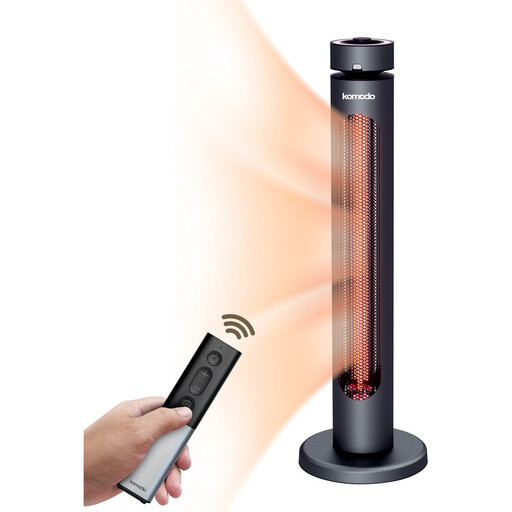
Komodo Fuji 2000W infrared heater
For targeted infrared heat in a specific area. Before buying, check the manufacturer’s information to see whether installation and use are suitable for your conservatory.
Features stated in the product name: 2000 W, 8 heat settings, remote control, LED display and oscillation. The product details also mention app control and a 24-hour timer.
View product
 No image available
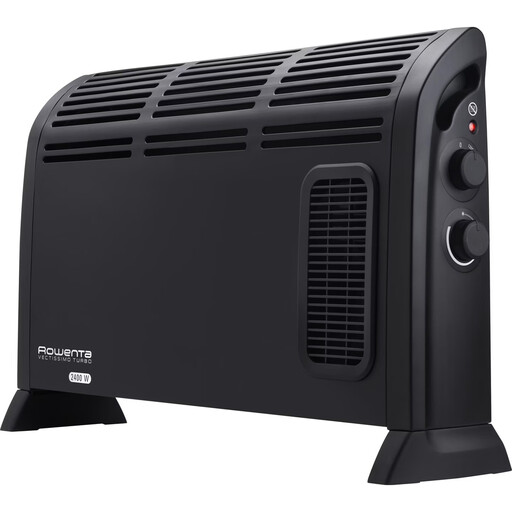
Rowenta Vectissimo II CO3035 convector heater
Could be an option if you’re looking for a mobile convector heater with a fan and adjustable heat. Make sure you have a suitable space to position it.
The product details list 1200 W and 2400 W settings, a thermostat, frost protection, overheat cut-out and a turbo function. It’s rated IP20. Check that it’s suitable for your intended location and follow the instructions.
View product
 No image available
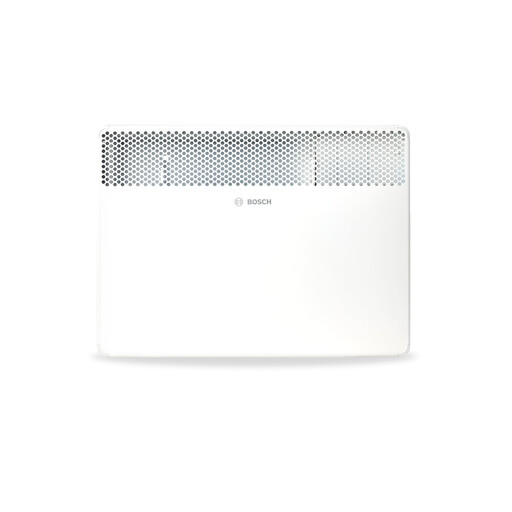
Bosch HC 4000-15 convector heater, 1500 W
For a controllable room temperature with programmable heating times. Check that the installation method is suitable and that the heater can meet your conservatory’s heating needs.
The product details list 1500 W, a weekly programme, Eco mode, open-window detection and IP24. According to the description, feet for free-standing use are available separately.
View product
 No image available
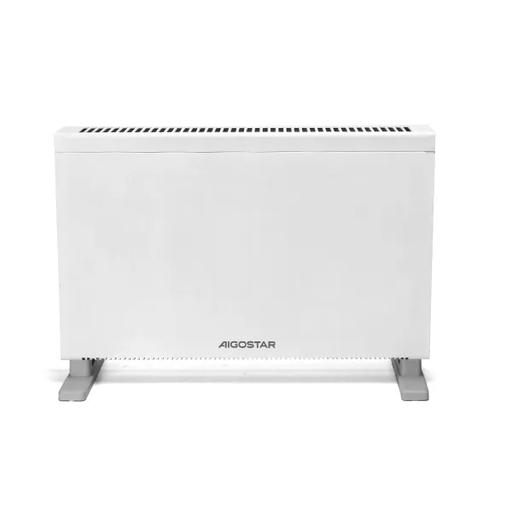
Aigostar convector heater, 2000 W, with remote control
Could be worth considering for controllable room heating if a mobile design and remote control suit the way you use your conservatory.
Features listed in the product name and details: 2000 W, temperature control and three heat settings. The description also mentions a portable design with a handle.
View product
 No image available
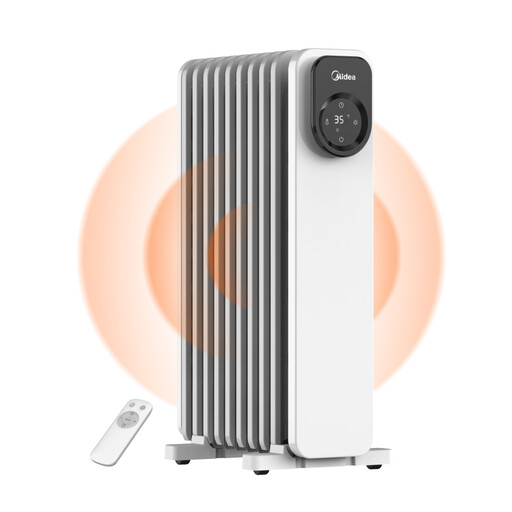
Midea NY2009-24UR oil-filled radiator, 2000 W
Described as a mobile oil-filled radiator with a thermostat. According to the product description, this model is intended for well-insulated rooms or occasional use.
The product details list 2000 W, 9 fins, remote control, LED touchscreen, 4 operating modes, overheat protection and tip-over protection.
View product
Frequently asked questions about conservatory heating
Is 1000 W enough for my small conservatory?
You can’t decide based on floor area alone. The German Federal Association of Conservatories points out that the specific conditions in a conservatory must be taken into account when planning heating capacity. If you use it all year round, you’ll also need to consider cold periods when there’s no solar gain.
How can I use a fan heater safely?
Keep it a safe distance from combustible items, don’t dry clothes on the heater and don’t overload the socket. The German Fire Service Association recommends these precautions. You should also follow the instructions for your specific heater.
How can I estimate electricity consumption?
Multiply the power rating in kilowatts by the actual number of hours the heater is running. This gives you energy consumption in kilowatt-hours. A thermostat can change the actual time the heater is switched on, so the rated power alone doesn’t tell you how long it will run.
What should I look for when buying and arranging after-sales service?
Check the exact model name, the manufacturer’s information and the German-language instruction manual, including its warnings. If a repair is needed, available documentation and accessible service are practical points to consider. The warranty or repair services available will depend on the model you buy and its terms and conditions.
Does an electric conservatory heater need an EU energy label in Germany?
According to the European Commission, electric local space heaters are outside the scope of the energy labelling regulation mentioned (EU) 2015/1186. Ecodesign requirements apply separately. According to the Commission’s supplier guidance, the revised requirements have applied in most cases since 1 July 2025, while rules on circumvention are treated differently. This does not amount to blanket confirmation that an individual model complies: check the current information for the specific heater.


