
Lieferung heute & morgen

Qualitätsgarantie

Willkommens-Angebote freischalten: KOSTENLOSE Lieferung | Bis zu 80 % RABATT | Kostenlose 30-Tage-JoyPlus-Testphase
App herunterladen
Small decorative vases are ideal for shelves, windowsills, side tables, chests of drawers and dining tables. They can hold a few fresh flowers or dried stems, or look lovely empty as a home accessory. There’s plenty of choice, from simple small vases and ceramic designs to decorative glass vases in modern, rustic or boho styles.
Looks aren’t the only thing to consider when buying, though. Three common pitfalls can make a vase less practical for everyday use than you expected:
Choosing carefully to suit how you plan to use the vase is a better way to avoid a disappointing purchase than relying on decorative marketing claims.
Three measurements are particularly important for a table vase or a vase for dried flowers:
The vase should sit on a flat, stable surface. If you have children or pets, choose a spot that’s out of their reach.
A ceramic vase or porcelain vase usually feels compact and works well as a decorative object in its own right. Glass vases, on the other hand, pair particularly well with water, colourful stems or visible branches. If the surface is coated, follow the care instructions.
According to the product details, many of the models featured here are not dishwasher-safe. To clean them, use a soft cloth and, if needed, lukewarm water and a mild cleaner. Abrasive products can damage glazes, metallic details or textured finishes.
If you’re looking for a vase for flowers, check the stated capacity and the shape of the vessel. A narrow neck is often enough for individual branches or dried flowers. A wider opening is more practical for a larger bouquet.
Dried flowers don’t need water. Fresh flowers, however, need a vase that’s designed to hold water and is easy to clean inside. If you plan to use the vase outdoors, also check whether it’s specifically suitable for outdoor use. A decorative vase for the living room won’t necessarily be made to withstand changing weather.
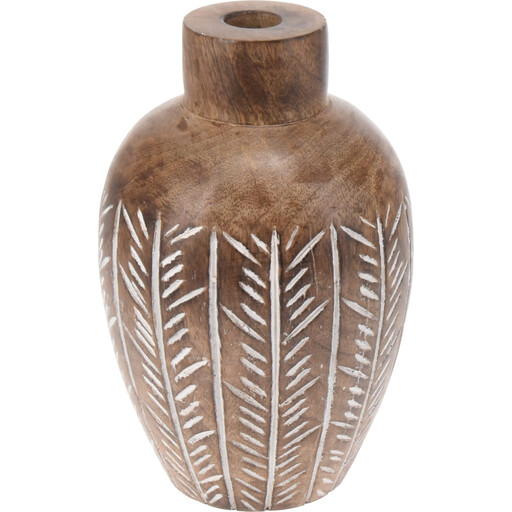
Why this product suits this profile: At 18 cm tall, this brown vase takes up relatively little space and works well on a shelf, chest of drawers or small table. Its narrow neck is designed for individual stems and small arrangements.
The exact height makes it easier to plan where to put the vase. Its narrow neck stops individual branches from looking lost in a wide vessel.
18 cm tall, in a brown shade, with a shape suited to individual stems or small bouquets.

Why this product suits this profile: This ceramic vase combines grey and metallic gold tones in a rounded, cylindrical shape. At 20 cm tall and 18 cm in diameter, it suits modern, minimalist or more decorative interiors.
The product details include the material, dimensions and care instructions. According to the specifications, the vase isn’t dishwasher-safe and should be cleaned with a soft cloth.
Made from 90% ceramic and 10% glaze according to the product details; 20 cm tall, 18 cm in diameter, with a capacity of 3.3 l.
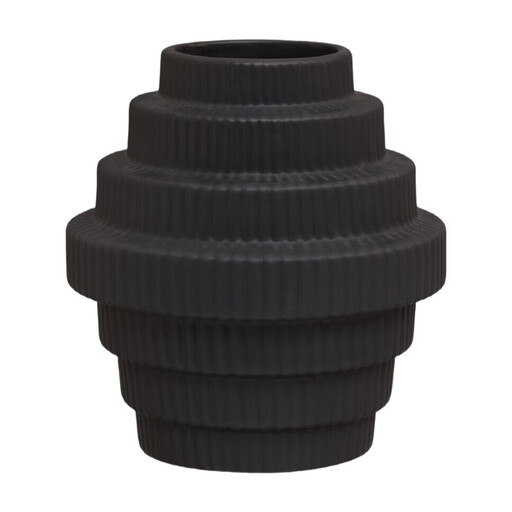
Why this product suits this profile: With its ribbed, tiered texture, this black vase suits modern interiors and looks striking as a standalone piece. At 16 cm tall and 15 cm wide, it remains compact.
Its compact footprint and stated capacity of 1,170 ml make it easier to choose for smaller spaces. Clean with a soft, damp cloth.
100% dolomite according to the product details, with a black finish, ribbed tiered texture and product dimensions of 15 × 15 × 16 cm.
We’ve put together a complete, regularly updated list of products that meet these strict selection criteria and fully comply with the safety regulations in force in the EU.
The width of the opening is key for dried flowers. Thin stems can be grouped together in a narrow-necked vase. A wider opening works well for voluminous pampas grass or several branches. The vase should be heavy enough for the height of the dried flowers, so the centre of gravity doesn’t sit too high.
The right care depends on the material and finish. A soft cloth is enough for many ceramic, porcelain and glass vases. Avoid using abrasive cleaners on metallic details and glazed surfaces. If the manufacturer says the vase isn’t dishwasher-safe, wash it by hand.
A vase’s lifespan depends above all on its material, construction, location and how it’s handled. It’ll stay looking its best for longer if it’s placed on a stable surface, kept safe from knocks and cleaned according to the care instructions. You should also avoid exposing glass and ceramic vases to strong impacts or sudden changes in temperature.