What should you look for when choosing one?
Table-top fridge without a freezer
A good fit if: you want to chill cooked portions and don’t need space for freezing.
The trade-off: There’s no built-in freezer, and the total capacity alone won’t tell you whether your containers will fit.
Fridge with a freezer
A good fit if: you want to freeze some prepared portions and chill the rest.
The trade-off: The freezer takes up space that could otherwise be used for chilled containers; depending on the model, you may need to defrost it.
Mini fridge as an additional appliance
A good fit if: you only need to store a few extra small containers alongside your existing fridge.
The trade-off: Interior space is limited, and an additional appliance also uses electricity.
Under-counter fridge
A good fit if: you have a suitable space and the specific appliance is designed for under-counter installation.
The trade-off: The space dimensions, door opening and installation requirements all need to be compatible.
For cooked food, the actual fridge temperature and the space available for your containers both matter. The German Federal Institute for Risk Assessment recommends 2 °C to 7 °C for perishable food; check the temperature in the fridge when it’s in use and stocked.
| What matters |
What to check before buying |
Who is it important to? |
| Safe food storage |
The temperature the fridge compartment can actually reach; the German Federal Institute for Risk Assessment recommends 2 °C to 7 °C for perishable food. |
If I’m storing cooked portions, I want to know they’ll stay sufficiently chilled when the appliance is in use; around 34% of consumers put safe food storage first. |
| Space and fridge capacity |
Check the width, height, depth and door opening against the available space; consider fridge capacity separately from freezer capacity. |
If my kitchen has little room, I need an appliance that fits where I plan to put it and holds my containers; around 33% of consumers prioritise available space and usable fridge capacity. |
| Extra freezer space |
Check the type of compartment and its stated freezer capacity; if needed, also check how the specific model is defrosted. |
If I want to freeze some prepared portions, there needs to be enough room for chilled food as well as the freezer; around 20% of consumers prioritise freezing. |
| Energy use |
Compare the specific model’s kWh per year and EU energy label; the scale runs from A to G. |
If I’m running a fridge all the time, I want to take its stated energy use into account when making my decision; around 13% of consumers focus primarily on running costs. |
The German consumer advice centre recommends considering energy use alongside how much fridge space you need when choosing a fridge. A compact exterior alone doesn’t guarantee low annual energy consumption.
Joybuy products for keeping portions chilled
This selection includes compact fridges for cooked portions, with models both with and without a designated freezer compartment. Product details alone don’t confirm that the appliance will reach the required storage temperature when in use.
 No image available
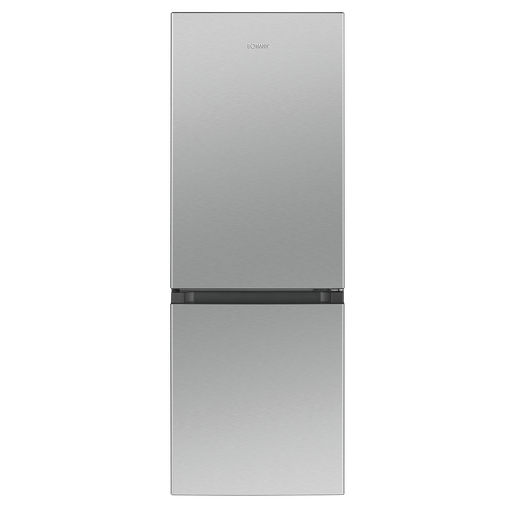
Bomann KG 322.1 Inox fridge freezer
Worth considering if you want to store chilled portions and frozen food in the same appliance.
Details in the product name: 175 l total capacity, energy class D, 143 cm high, with 3 shelves and 3 drawers. The freezer compartment needs to be defrosted manually.
View at Joybuy
 No image available
TCL RF120DWE0 compact fridge with chiller box
A possible option if you’re looking for a compact fridge with a separately designated chiller compartment.
Details in the product name: 90 l, energy class E, adjustable feet and shelves. Check what the chiller compartment is for before planning to use it as a freezer.
View at Joybuy
 No image available
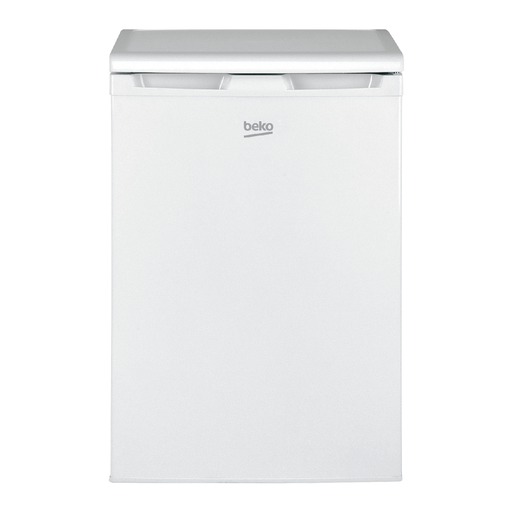
Beko TSE1284N b100 table-top fridge with freezer compartment
Worth considering if you need a designated space for freezing as well as room for chilled portions.
Details in the product name: 114 l total capacity, including 101 l of fridge space and 13 l of freezer space, plus a 4-star freezer compartment. The freezer compartment needs to be defrosted manually when ice builds up.
View at Joybuy
 No image available
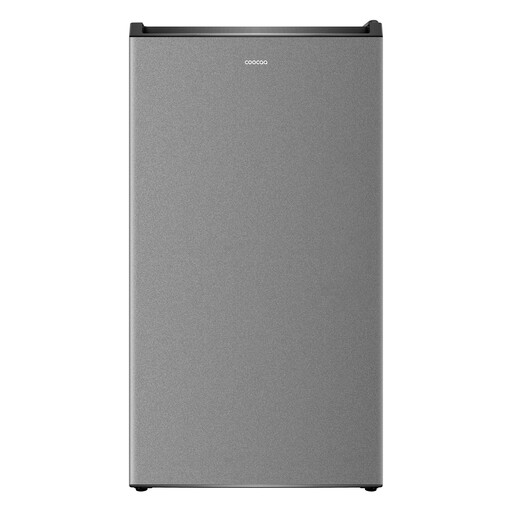
Coocaa SRS-120DTE single-door fridge
Could be suitable for chilled portions if a single-door fridge fits your available space and container needs.
Details in the product name: 83 l and energy class E. Compare the interior layout with the dimensions of your containers.
View at Joybuy
 No image available
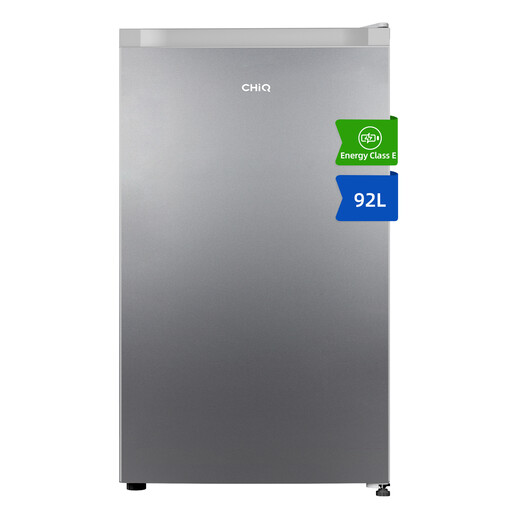
CHiQ JR92DSE compact fridge
An option if you’re looking for a compact appliance for chilled containers and its stated width fits your available space.
Details in the product name: 92 l, 47 cm wide, energy class E, adjustable glass shelves and a reversible door.
View at Joybuy
Frequently asked questions
Does the temperature control setting prove food will be stored safely?
No. What matters is the temperature actually reached in the fridge compartment you’re using. The German Federal Institute for Risk Assessment recommends 2 °C to 7 °C for perishable food; check the temperature after setting up and filling the fridge.
How should I store freshly cooked vegetable portions when space is limited?
Divide larger quantities into shallow containers, cool them quickly and keep them covered in the fridge. The German Federal Institute for Risk Assessment recommends checking how much fridge space you have before batch cooking; storing food for longer increases the risk of microbial contamination.
Can I put a freestanding mini fridge in an enclosed space under the worktop?
Not just because it’s small. Check the installation and ventilation requirements for the specific appliance; for example, Severin says the KB 8872 must not be installed in or under a cupboard. For a fitted space, consider an under-counter appliance specifically designed for that purpose.
How do I compare the energy use of small fridges?
Compare the stated kWh per year for the specific models and consider how much fridge and freezer space you actually need. The EU energy label for fridges uses classes A to G; the older plus classes are no longer the current scale.
Where can I take an old fridge in Germany?
Electrical waste must be handed in at an authorised collection point; a local council recycling centre is one option. Retailers have take-back obligations in certain circumstances. The German Federal Ministry for the Environment recommends checking how to return or arrange collection of your old appliance when you buy a new one.


