
Lieferung heute & morgen

Qualitätsgarantie

Willkommens-Angebote freischalten: KOSTENLOSE Lieferung | Bis zu 80 % RABATT | Kostenlose 30-Tage-JoyPlus-Testphase
App herunterladen
A small fridge and freezer can save a lot of space in a studio flat, office or motorhome. But a compact design doesn’t automatically mean a model will suit its intended location. Unclear dimensions, a freezer compartment that’s too small or underestimated operating noise can all lead to the wrong purchase.
Most buying pitfalls come down to three things:
Before you buy, measure the available floor space, the doorway and the clearance needed for ventilation. Remember to allow for the appliance’s handle and door, as well as any required gap from the wall.
Check the fridge and freezer capacities separately. A fridge with a freezer compartment may be compact, but the freezer section is often only suitable for ice cubes or small amounts of frozen food. If you want to store supplies or freeze food regularly, look for a four-star freezer compartment and a stated freezing capacity in kg per 24 hours.
Drawers, height-adjustable glass shelves and door compartments make it easier to stay organised. A chest freezer should have removable baskets or dividers, so smaller packs don’t disappear beneath larger items.
Before you buy, check:
A reversible door is particularly useful in a small kitchen. Adjustable feet help you position the appliance securely on slightly uneven floors.
A quiet fridge rated at 39 to 40 dB may be better suited to an office, bedroom or motorhome than a model with a higher noise level. However, how loud it seems also depends on the floor, distance from the wall and compressor cycles.
When comparing energy efficiency, look at the energy efficiency rating and annual consumption together. A Class E model using 110 kWh a year can only be meaningfully compared with another model if their usable capacity and intended use are similar. Your annual electricity costs will depend on your tariff:
Annual consumption in kWh × electricity price per kWh = approximate annual cost
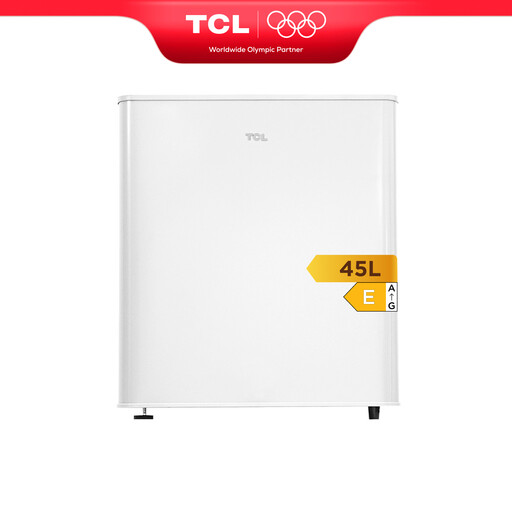
Why this product suits you: This 45-litre table-top fridge is designed for drinks, snacks and a few essentials in an office, bedroom or student accommodation.
The specifications list 42 litres of fridge space, 3 litres of freezer space and a noise level of 40 dB. This makes it easier to plan realistically for its limited storage capacity.
Adjustable feet, a glass shelf and a mechanical thermostat; dimensions: 449 × 485 × 512 mm.
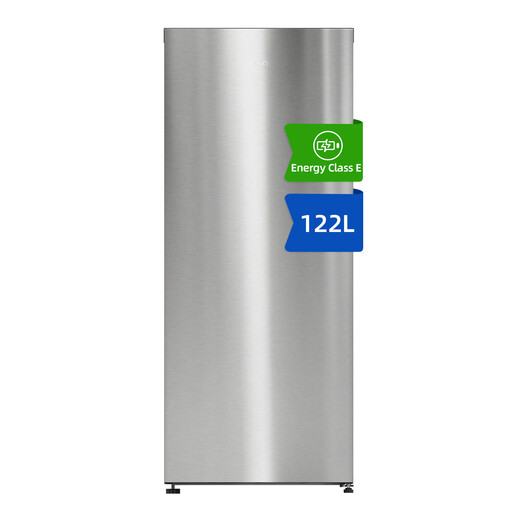
Why this product suits you: Use it as either a freezer or a fridge, making it a versatile choice for the kitchen, utility room or office.
No Frost technology helps reduce ice build-up, while the reversible door and adjustable feet make positioning easier.
122 litres of usable capacity, 39 dB, LED interior lighting and electronic modes for fridge, freezer and soft-freeze operation.
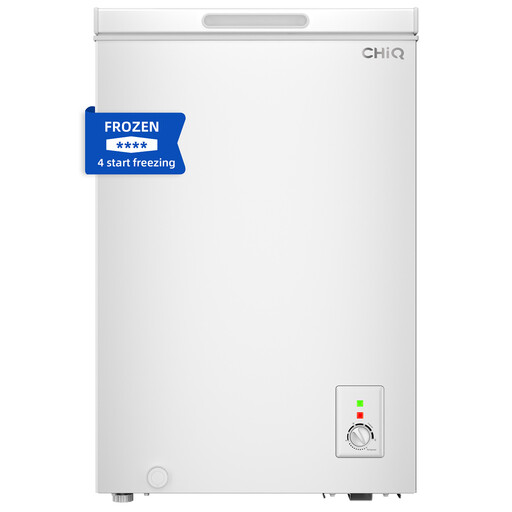
Why this product suits you: This chest freezer is ideal for storing supplies, holiday lets, hotel areas or households that freeze larger quantities of food.
According to the product specifications, it has a footprint of around 0.26 m². A wire basket and wheels make it easier to stay organised and move the freezer.
99 litres of capacity, a four-star freezer rating, 39 dB and a stated freezing capacity of 4.5 kg in 24 hours.
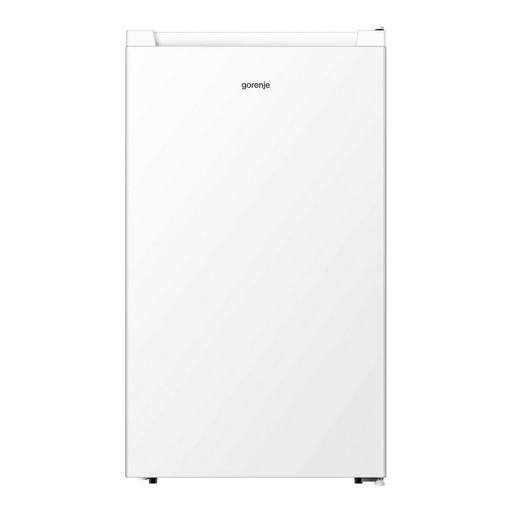
Why this product suits you: This compact freestanding freezer offers 61 litres of usable capacity and is designed for small flats, cellars or use as an extra appliance.
The dimensions of 842 × 475 × 448 mm, manual defrosting and mechanical control are all clearly specified.
Four-star freezer compartment, 38 dB, reversible door and a stated annual consumption of 156 kWh.
We’ve put together a comprehensive, regularly updated list of products that meet these strict selection criteria and comply fully with the safety regulations in force in the EU.
It depends on the model. Always follow the instructions in the user manual. Don’t cover the ventilation slots, and make sure the door can open fully. For an under-counter fridge, you’ll also need to allow for the worktop, plinth and power cable.
Its lifespan depends on how it’s used, where it’s kept, and how well it’s cleaned and maintained. Positioning it securely on a level surface, keeping the ventilation paths clear and ensuring the door seal is clean all help it work properly. For freezers without No Frost technology, remove ice as instructed in the manual.
For a rough estimate, multiply the stated annual consumption in kWh by your electricity price. Actual consumption may vary depending on room temperature, how full the fridge is, how often the door is opened and the temperature setting. So don’t just look at the energy efficiency rating; check the specific annual consumption in kWh too.