Quiet everyday listeners
You listen regularly in one place and want to adjust the volume and playback easily as part of your daily routine.


For regular background music in one place, a compact speaker with a connection that works with your devices and music services is a good starting point. Wi-Fi is ideal for streaming over a network, while Bluetooth lets you play music directly from your device. A battery is mainly worth having if you’ll actually move the speaker around. Also check how easy it is to control at low volumes, how much space it needs and whether you’ll need a second speaker for stereo.
You listen regularly in one place and want to adjust the volume and playback easily as part of your daily routine.
You play music from particular services or devices and want to make sure the speaker works with your chosen source.
You move between listening spots or want to take your speaker with you occasionally. In that case, a battery, charging requirements and Bluetooth may matter more than a permanent installation.
First, decide where the speaker will go and which device or service you’ll use to play music. Then consider whether you really need a battery, voice features or a stereo pair for everyday use.
| Priority | What to check before buying | Who is it important to? |
|---|---|---|
| Quiet playback and easy controls | Check the volume controls, buttons and placement guidance for the specific model. | If I listen in the background, I want to adjust the volume easily and position the speaker appropriately. Around 31% of consumers prioritise comfortable playback with easy-to-adjust volume. |
| Connection and compatibility | Check that your music service and device work with your preferred connection, such as Bluetooth, AirPlay or an audio input. | If my music comes from a particular device or service, I want to play it without any extra steps. Around 25% of consumers prioritise having the right connection and device compatibility. |
| Space and stereo | Measure the available space and check the model’s placement guidance; for stereo, make sure you have room for two suitable speakers. | In a small living room, I want to know in advance whether one speaker will be enough or whether there’s room for two. Around 19% of consumers prioritise space for placement and an immersive listening experience. |
| Portability and charging | Consider whether you’ll really move the speaker around, and check what’s included and what the model needs for charging. | If I listen in different places, a portable speaker matters more to me than a permanent installation. Around 13% of consumers prioritise portability and charging requirements. |
| Voice features and ongoing costs | Check whether you want voice control and what microphone, service and privacy settings apply. | Before using extra convenience features, I want to know what they mean for microphones and services. Around 12% of consumers prioritise voice features, privacy and potential ongoing costs. |
Apple lists Bluetooth 6 for the HomePod mini 2, but describes AirPlay from certain Apple devices as the way to play content. A Bluetooth specification on its own doesn’t mean you can stream music to it like you would to a standard Bluetooth speaker.
Check the specific model’s stated audio connection and make sure it works with your device.
A stereo feature doesn’t mean two speakers are included. You may need a second compatible speaker to get separate left and right stereo channels.
Check what’s included and whether the speakers can be paired, and make sure you have space for both.
Bose says that a power adapter isn’t included with the SoundLink Flex (2nd Gen.); you may need to buy a suitable one.
Teufel says the MOTIV HOME can’t be directly integrated into older Teufel Streaming and Raumfeld systems.
Before buying, check that the specific model works with your existing system.
The Era 100 is a compact option for a dedicated listening spot, with Wi-Fi, Bluetooth and the option to expand your Sonos system.
The HomePod mini 2 is designed for households that want to use compatible Apple devices and AirPlay.
The SoundLink Flex (2nd Gen.) is a portable Bluetooth option for listening in different places.
The Motion 300 is a compact, portable Bluetooth speaker and an alternative to a fixed Wi-Fi speaker.
According to Teufel, the MOTIV HOME combines Wi-Fi streaming, Bluetooth and battery power for flexible use at home.
The following Joybuy products range from compact connected speakers to stereo systems and portable Bluetooth models for enjoying music at home.
 No image available
For a dedicated listening spot if you want a stereo pair and several ways to connect your devices.
The product name lists Bluetooth, HDMI ARC, and optical, USB, AUX and RCA inputs. Bass and treble controls, an LED display and a remote control are also listed.
 No image available
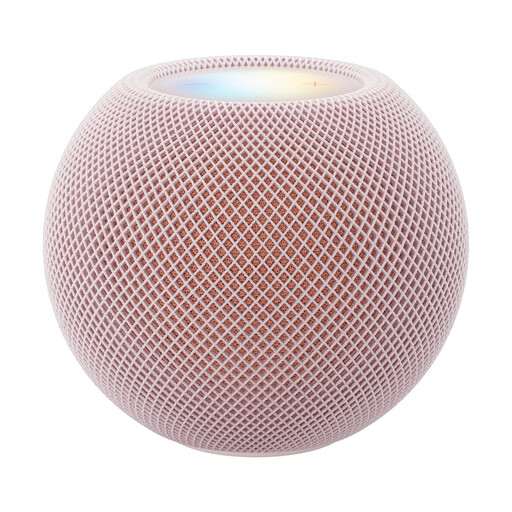
For Apple households that want to play music via AirPlay and set up the speaker using compatible devices.
Apple says setup requires a compatible iPhone or iPad, as well as Wi-Fi and an internet connection. The product description lists touch controls.
 No image available
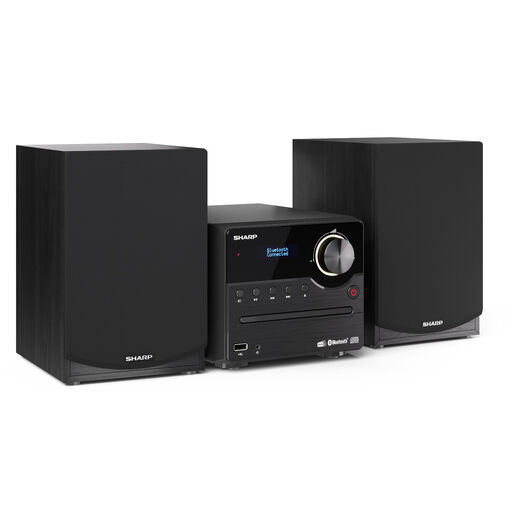
For a dedicated listening spot if you want to play music through a stereo system from a range of sources.
The product name lists Bluetooth, CD/MP3 playback, USB, DAB+, FM radio and 45 W.
 No image available
For listening in different places if you want a portable Bluetooth speaker.
The product description says you’ll need a compatible USB power adapter for charging; it isn’t included.
 No image available
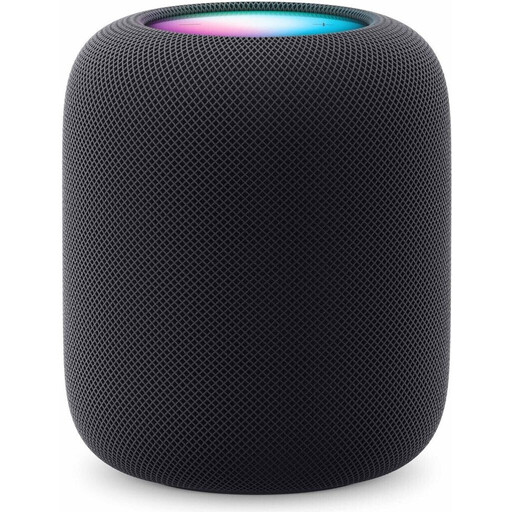
For Apple users who want to play music via AirPlay and use Siri.
The product details list AirPlay, Siri and touch controls. Setup requires a compatible iPhone or iPad and Wi-Fi internet access.
You can start with one speaker for background music. If separate left and right stereo channels matter to you, check whether the speakers can be paired and allow for a second compatible speaker and two suitable places to put them. Apple lists stereo for the HomePod mini 2, and Bose for compatible SoundLink Flex speakers.
Measure the available space and follow the guidance for your specific model. Sonos recommends leaving at least 2.5 cm between the Era 100 and the back of the shelf. Setup requires a power connection, Wi-Fi and the Sonos app.
Check whether you’ll need a power adapter, an input adapter or a second speaker for stereo, and read the terms of your music service. The Verbraucherzentrale says that if a new product is faulty, you have statutory rights to a remedy from the seller for two years. These are separate from a manufacturer’s warranty.
When monitoring products on the market, the Bundesnetzagentur checks things such as the CE marking, manufacturer details, German-language instructions with the required warnings, and the declaration of conformity. Check these details for the specific product; general information about market surveillance doesn’t confirm that an individual listing complies.