What should you look for when buying?
Start with how much bread will actually be eaten. Then compare the types of bread and their nutritional information. If allergens are a concern for your child, check that every product is suitable before considering any other selection criteria.
| Criteria | What to check when buying | Who it matters most to |
|---|
| Pack size and how much you use |
Compare the pack weight with how much you plan to use. For a larger pack, check whether you can portion out the slices easily. |
If you only need a few slices a week, you’ll want to avoid bread going off before it can be eaten. Around 46% of consumers are likely to see choosing the right amount as their main concern. |
| Wholemeal content, ingredients and salt |
Check the ingredients list and salt per 100 g for comparable types of bread. |
If you choose the bread for breakfast based on its wholemeal content and ingredients, you won’t want to decide on pack size alone. For around 36% of consumers, comparing the product itself is likely to be the main concern. |
| Gluten and other allergens |
For packaged bread, read the ingredients and any highlighted allergens. For unwrapped products, ask for allergen information. |
If your child needs a gluten-free diet for medical reasons or has a wheat allergy, the bread must meet their specific requirements first. Checking allergens is likely to be the main concern for about 18% of consumers. |
Brands and supermarket ranges to compare
These examples can help you compare pack sizes and product information. The features of a range don’t necessarily apply to every individual loaf.
REWE und REWE-Eigenmarken
The REWE online range is a useful starting point for comparing the sizes of toast and sandwich bread packs.
- Alongside larger options, REWE lists examples in 250-g and 375-g packs.
- Check the ingredients, salt, allergens and available pack size for the specific product.
EDEKA-Sortiment
EDEKA product information can help you check the ingredients and allergens in individual toast products.
- An EDEKA product page lists cereals containing gluten and wheat as allergens for its wheat toast rolls.
- Product information may differ from the packaging, and the product shown may not be available in every store. Toast rolls are also not sliced toast bread.
Mestemacher im RUF-Angebot
The wheat wholemeal and spelt toasts listed there are examples you can use to compare different types of toast.
- RUF describes its organic wheat wholemeal toast as made with 100% wholemeal wheat flour, and its organic spelt toast as a 400-g pack containing 17 slices.
- This information doesn’t confirm that these products are available in 250-g or 375-g packs. Wheat and spelt toast are not gluten-free alternatives.
Joybuy products to compare by size
Here, two toast products in 85-g units are shown alongside a 500-g loaf. Compare the amount you need with the information on each product’s packaging. The product name alone doesn’t tell you whether the toast is pre-sliced or especially suitable for toddlers.
 No image available
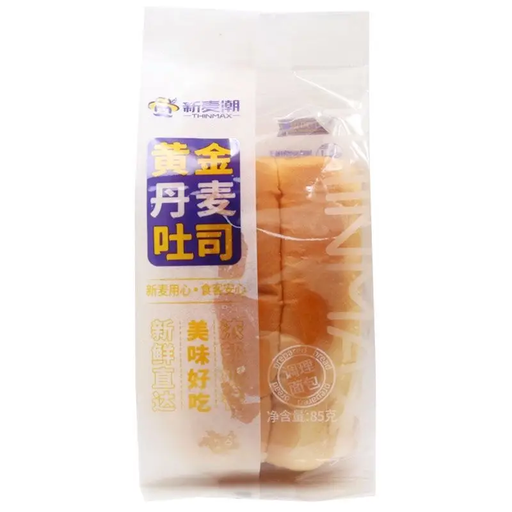
Thinmax Golden Danish Toast, 85 g
The 85-g pack may suit you if you only need a small amount of toast. Before buying, check the sugar information against the ingredients list on the packaging, as the product information available is contradictory. If your child is allergic to wheat, egg, soya or milk, it’s especially important to check the label on the specific pack. Also check that the texture is suitable for your child.
View on Joybuy
 No image available
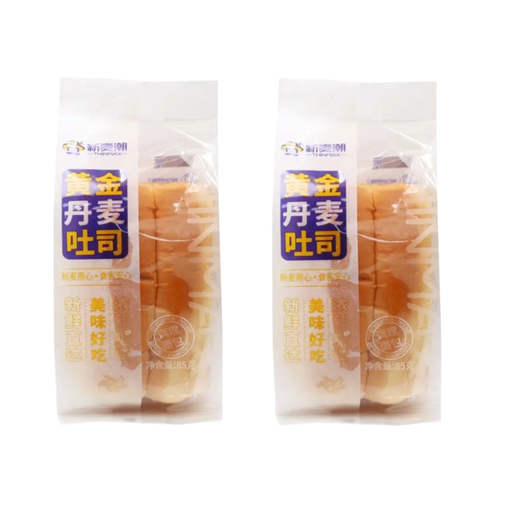
Thinmax Golden Danish Toast, 2 × 85 g
The two 85-g units give you a different total quantity from the single pack. Follow the storage and consumption instructions after opening. According to the product information, wheat, milk, egg, soya and sesame are relevant allergens. If your child has allergies, check the label on the specific pack. Pack size alone won’t tell you whether the texture is suitable for your child.
View on Joybuy
 No image available
Alnatura organic spelt and green spelt bread, 500 g
The 500-g pack is a larger bread option if a smaller amount doesn’t match how much you plan to use. Follow the storage instructions for this product after opening; don’t assume it is suitable for freezing in portions. Check the ingredients and salt information on the specific pack, and make sure the texture is suitable for your child.
View on Joybuy
Frequently asked questions
Is a small pack of toast always the better choice for a toddler?
No. A small pack is most practical when it matches how much you’ll actually use. Check the ingredients, allergens and nutritional information whatever the pack size. If you prefer a larger loaf, the Verbraucherzentrale suggests freezing it in portions as one option.
Should I choose wholemeal or white toast?
Wholemeal is one option to consider: Kindergesundheit-info.de recommends wholemeal bread in the context of nursery meals. For the bread you serve at breakfast, also consider the ingredients, salt per 100 g and whether your child likes the texture. The word ‘wholemeal’ alone doesn’t tell you everything about a product.
How should I store opened sliced bread?
First, follow the storage instructions for the specific bread. In general, the Verbraucherzentrale advises against storing bread in the fridge regularly, as it dries out more quickly there. You can freeze any extra bread in portions. It makes an exception for storing white bread in the fridge in very warm, humid weather.
Where can I find information about gluten and wheat in bread?
For packaged bread, check the ingredients list and any highlighted allergens. For unwrapped products, ask for the available allergen information. The Verbraucherzentrale also explains allergen labelling for unwrapped foods. If your child has coeliac disease or a wheat allergy, the specific bread must meet their medical requirements.


