
Lieferung heute & morgen

Qualitätsgarantie

Willkommens-Angebote freischalten: KOSTENLOSE Lieferung | Bis zu 80 % RABATT | Kostenlose 30-Tage-JoyPlus-Testphase
App herunterladen
A small rug can transform a room, create focal points, and add a touch of cosiness. But the selection is vast, and not every product lives up to its advertising claims. Before you make a decision, it's crucial to understand the common pitfalls that often only become apparent after a few weeks of use. This guide will help you evaluate the key features and make an informed choice.
Many buyers focus on colour and pattern, overlooking functional flaws that severely limit a rug's everyday usability. Pay special attention to these three points:
To avoid a bad buy, you should base your selection on objective criteria. The following three aspects are crucial for the longevity and functionality of a small rug.
The choice of material determines not only the feel but also the ideal placement and lifespan of the rug.
Making a non-slip rug is a matter of safety. There are two basic approaches:
The term washable rug requires a close look at the manufacturer's care instructions.
Based on these criteria, we have identified a few products that represent a considered choice for specific user profiles.
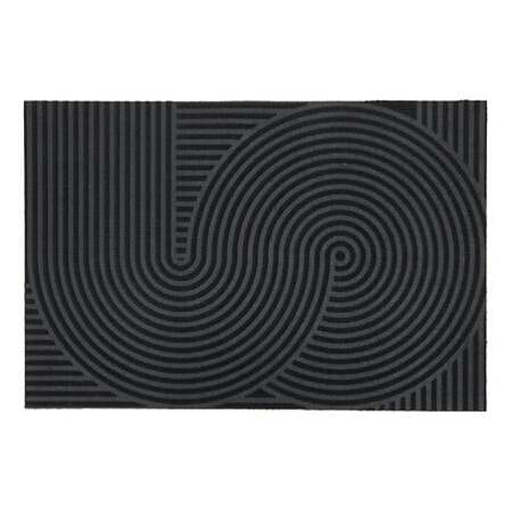
Why this product is a great fit: Ideal for entrance areas or hallways where functionality is paramount. This mat is specifically designed to trap dirt and moisture, keeping your floors clean.
The thermoplastic elastomer (TPE) construction provides inherent and durable slip-resistance that won't wear away like a thin coating. The material is engineered to trap dirt, not just be decorative.
Robust, low-maintenance TPE material with a reliable anti-slip function for indoor use. Easy to clean by vacuuming or shaking out.
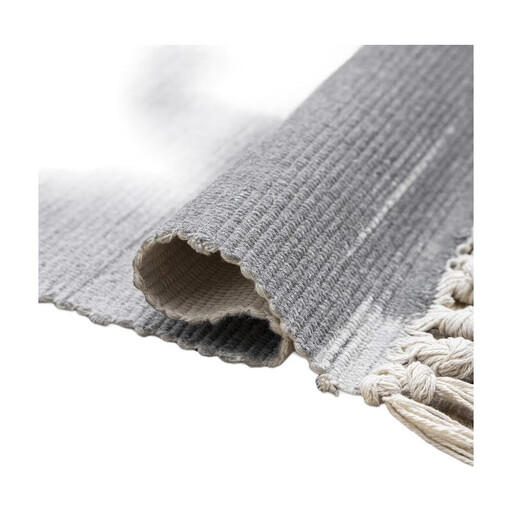
Why this product is a great fit: For anyone looking to add a fashionable boho-style accent. This neutral grey rug combines an appealing look with practical care, making it suitable for living areas or bedrooms.
The care instructions clearly state that the rug should be washed in a laundry bag. This is an honest and realistic instruction that prevents the tassels and tufted structure from being damaged.
Combines a trendy boho design with hand-woven details and the practicality of a machine-washable cotton-polyester blend.
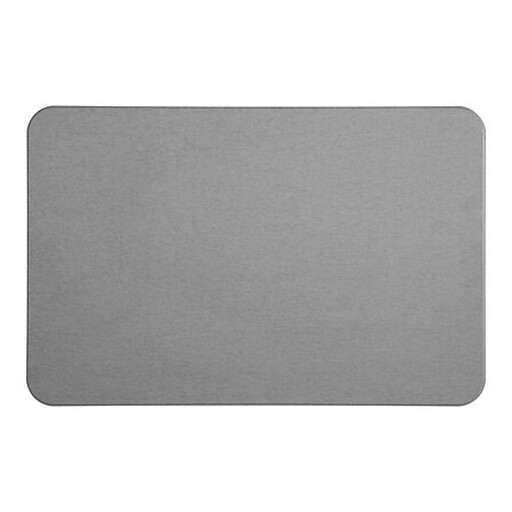
Why this product is a great fit: A modern solution for the bathroom or kitchen where rapid water absorption and hygiene are top priorities. This mat functions completely differently from traditional fabric mats.
This product completely bypasses the typical problems of fabric mats (slow drying, matting, odour build-up). Its hard, porous surface is inherently low-maintenance and durable, with no misleading promises.
Outstanding absorbency and quick-drying thanks to diatomaceous earth. The material is naturally non-slip and hygienic, making it an excellent choice for a bath mat.
We have compiled a complete, up-to-date list of products that fully meet these strict selection criteria and UK safety regulations.
For a kitchen runner, synthetic materials like polyester, PVC, or TPE are often the most practical choice. They are durable, typically non-slip, and easy to wipe clean in case of splashes or spills. A flat-weave, machine-washable cotton rug can also be a good option, but it may require more frequent and intensive cleaning.
Not necessarily. The effectiveness of an integrated non-slip backing can vary on highly polished tiles, vinyl floors, or certain types of laminate. For maximum safety, especially with lightweight, woven rugs, using an additional, high-quality anti-slip underlay is recommended.
The cleaning frequency depends heavily on its use. In high-traffic areas like the entrance or kitchen, the rug should be vacuumed at least once a week and spot-cleaned as needed. A deep clean (e.g., machine washing, if permitted) is recommended every 1-3 months. In less-used areas like a bedroom, less frequent cleaning is sufficient.