Small households looking to avoid leftovers
If only a few people will be eating, it helps to decide how much bread you need before you shop. The Verbraucherzentrale recommends freezing any bread you don’t need in individual portions.


For an Italian Night with a small group, a smaller loaf makes sense if you want to keep leftovers to a minimum: ALDI SÜD lists its NUR NUR NATUR organic wholemeal rye bread at 375 g, while the packaged alternatives considered from REWE and EDEKA each contain 500 g. A larger pack is a good choice if you’re planning to eat some the next day or freeze portions; always check the labelling on the specific product for ingredients and allergens.
If only a few people will be eating, it helps to decide how much bread you need before you shop. The Verbraucherzentrale recommends freezing any bread you don’t need in individual portions.
A pronounced bread flavour can work well with antipasti or cheese. Wendl describes the crust and flavour of its Roggstar as robust; make sure the taste and amount you slice suit the meal you have planned.
Ingredients lists and may-contain warnings vary by product. The Deutsche Zöliakie-Gesellschaft lists rye as a gluten-containing grain, so rye bread is not a gluten-free option for people with coeliac disease.
First, work out how much bread you’ll need for the evening and what you’ll do with any leftovers. Then consider the crust, type of bread and labelling on the specific product to find the right option.
| What matters | What to check when buying | Who it matters to |
|---|---|---|
| A smaller amount of bread | Net weight and how you plan to use any leftovers; if needed, make sure you have room to freeze some of the slices. | If I’m slicing bread for just a few people, I want to have as little as possible left over. This preference for a smaller amount is a priority for around 42% of consumers. |
| How it works with the meal | The crust and type of bread you want; for loose bread, also check the weight and how much you need to buy. | I want to serve a bread with a more robust flavour alongside the planned antipasti or cheese. This is the most important consideration for around 33% of consumers. |
| Ingredients and allergens | The ingredients list, plus gluten and may-contain information on the specific pack or at the bakery counter. | Before I buy bread for everyone, I need to check which ingredients and allergens are listed. This is the priority for around 25% of consumers. |
According to the Deutsche Zöliakie-Gesellschaft, rye contains gluten. An organic label doesn’t change that.
If you have coeliac disease, don’t choose rye bread. Check the label on a suitable gluten-free alternative instead.
Even a compact-looking pack may leave you with bread after an evening meal if you’re catering for only a few people.
Compare the net weight with the portion you need, and decide in advance whether you’ll eat the leftovers the next day or freeze them.
Without a plan for the remaining slices, you’re more likely to end up throwing bread away.
A description of the flavour won’t tell you how much the piece on offer weighs or what it contains.
Before you buy, ask about the amount you need, the ingredients and allergen information.
If bread has gone mouldy, cutting away just the visible patch isn’t enough.
Throw away all mouldy bread, and freeze any leftovers you know you won’t need in good time.
ALDI SÜD sells an organic wholemeal rye bread with 375 g stated in the product name.
REWE Bio’s packaged wholemeal rye bread is sold in a 500 g pack.
EDEKA24 describes a packaged organic wholemeal rye bread weighing 500 g.
ALDI SÜD describes GOLDÄHREN Bauernschnitten in the 500 g pack as a rye and wheat bread.
Lidl describes its bakery as offering freshly baked goods.
Wendl describes its Roggstar rye bread as robust and aromatic, with a pronounced crust.
This selection includes smaller packs of bread as well as 500 g packs of pumpernickel for when you’re planning to keep portions for later. The types vary: a wholemeal protein bread or pumpernickel isn’t automatically a classic wholemeal rye bread.
 No image available
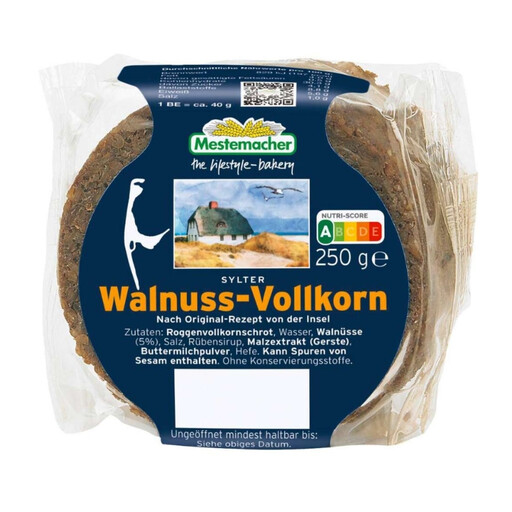
The 250 g pack could be a good choice if you only need a small amount of bread for the evening. If you’re serving it with savoury toppings, check that the walnut variety suits the flavours you’ve chosen. Check the ingredients, allergens and slice format on the specific pack.
 No image available
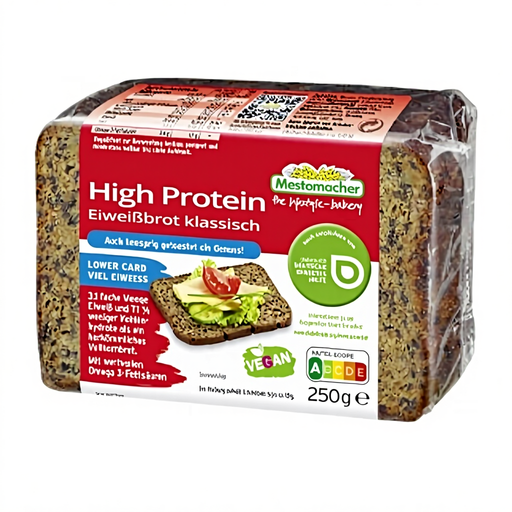
The 250 g pack is another option if you only need a small amount of bread. The product description says it comes pre-sliced and includes rye as part of a grain mix; it isn’t a pure rye bread. Check the specific pack for information about wheat, rye, soya, sesame and milk.
 No image available
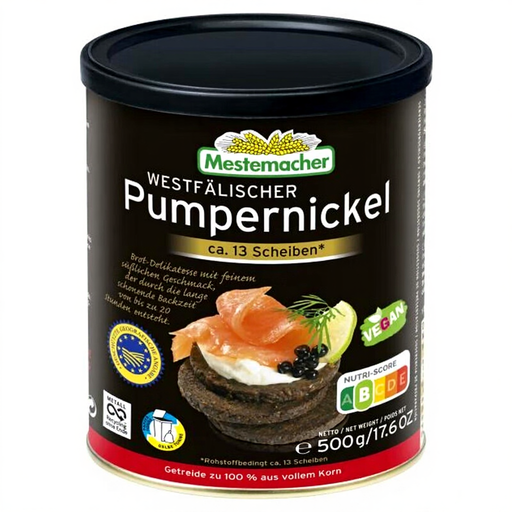
Pumpernickel is a different type of bread from rye bread with a crisp crust. If you’re planning small open sandwiches, the pre-sliced format mentioned in the product description could be handy; with a 500 g pack, remember to plan for any leftovers. Check the specific pack for allergen information.
 No image available
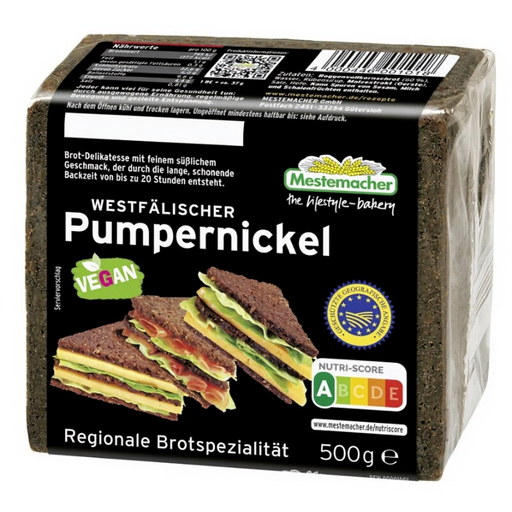
The product description says the bread comes ready-sliced for small open sandwiches. With a 500 g pack, you’ll need to have a plan for the rest of the loaf. Rye contains gluten; also check the allergen and may-contain information on the specific pack.
No. Rye bread isn’t a gluten-free alternative. The Deutsche Zöliakie-Gesellschaft lists rye as a gluten-containing grain, so choose a suitable product with the appropriate gluten-free labelling instead.
You can freeze any portions you don’t need and defrost them later. The Verbraucherzentrale recommends freezing bread in individual portions; also follow the storage instructions on the relevant pack.
Usually not. The Verbraucherzentrale recommends storing bread at room temperature in a dry place away from light, such as a bread bin. Bread can go stale more quickly in the fridge.
A 500 g pack can work if you’re planning to eat some bread the next day or freeze any remaining portions. If you only need a small accompaniment for one evening, compare the net weights with the amount you actually need before you buy.