What should you look for when buying?
Start by choosing a pack size that suits your breakfasts. Then compare the type of bread and its ingredients. If you only eat bread occasionally, think about which slices you’ll freeze before opening the pack.
| Criteria | What to check | Who it matters to |
|---|
| Pack size and leftovers |
Compare the weight and number of slices with the breakfasts you have planned. If you only eat bread occasionally, consider whether you can freeze it in portions. |
If I only eat bread for breakfast now and then, on my own or with someone else, I want to avoid having too many slices left over. This is a priority for around 36% of consumers. |
| Wholegrain and seeds |
Compare the grains in the ingredients list and the fibre per 100 g; don’t assume “multigrain” means “wholegrain”. |
I want a heartier slice to go with savoury toppings, so I check what it’s made of. This is the main priority for around 29% of consumers. |
| Mild flavour |
Choose between toast and sandwich bread based on how you plan to use it, and pick a pack you can finish in time or freeze. |
I prefer a mild-flavoured bread for a quick breakfast, and this is the most important requirement for around 21% of consumers. |
| Ingredients and allergens |
Check the ingredients list, highlighted allergens and, where relevant, any precautionary allergen and frozen-storage information on the specific pack. |
If I need to avoid certain ingredients, the label determines which bread is suitable for me. This check comes first for around 14% of consumers. |
Joybuy product selection
This 500 g loaf could work as a base for savoury toppings. If you’re specifically looking for a small pack of toast or sandwich bread, check the weight and whether it’s sliced particularly carefully.
 No image available
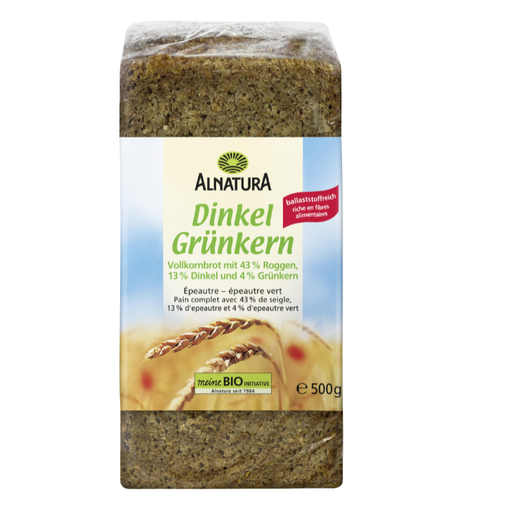
Alnatura Organic Spelt and Green Spelt Bread 500 g
This bread could suit savoury toppings if a 500 g pack is the right size for you. Before buying, check whether it’s sliced, and read the ingredients, allergen and storage information on the pack. The product name alone doesn’t indicate that it’s toast bread.
View at Joybuy
Frequently asked questions
How many grams is “half a loaf” of toast?
The name alone doesn’t tell you the pack weight. REWE, for example, lists toast and sandwich bread in 250 g, 375 g and 500 g packs, so compare the weight and number of slices with how much you usually eat.
How should I store an opened pack?
Store the bread as directed on the pack and freeze any slices you won’t need soon in portions. The Verbraucherzentrale recommends storing bread at room temperature in a dry place away from light, and suggests freezing it to keep it for longer.
Is toast automatically unsafe to eat after its best-before date?
No. As Lebensmittelverband Deutschland explains, the best-before date doesn’t mean you have to throw food away as soon as it passes. Check the bread before eating it; if you find mould, the Verbraucherzentrale recommends throwing the whole loaf away.
Where can I find allergen information on toast bread?
Read the ingredients list, including any highlighted allergens, and check for separate precautionary allergen information where relevant. Check the label on every new pack rather than assuming that a similarly named type of bread contains the same ingredients.
What should I know about frozen Fria Classic Toast?
Follow the storage and defrosting instructions for this product: according to REWE, Fria Classic Toast should be stored at −18 °C, eaten within two days of defrosting and not refrozen. You can take out individual slices as needed.


