Who might want a smaller pack?

People who only need a few lunch portions

If you only make toast sandwiches for work now and again, how quickly you’ll use up the bread after opening matters just as much as the pack size. REWE lists Harry wholemeal toast as a 250 g pack containing ten 25 g slices; the pack says to eat it within three days of opening.

People comparing wholemeal toast

If wholemeal is the reason you’re buying, check the ingredients and fibre per 100 g rather than relying on the name or the grains shown on the pack. The 250 g wholemeal toast products from Harry and Golden Toast listed by REWE have different nutritional values.

People with specific ingredient requirements

If you’re preparing sandwiches for yourself or someone else, check the current ingredients list and allergen information. If you need gluten-free bread, choose a product range explicitly labelled as such; its other ingredients and any ‘may contain’ warnings are still important.

What should you look for when buying?

Start by working out how much bread you’ll actually need before your next shop. Then compare the recipe and nutritional values. Any requirements relating to ingredients and allergens must be met separately.

What you’re looking for What to check when buying Who it matters to
Using up an opened pack Pack size, number of slices and guidance on how soon to eat it after opening. I only make toast on a few days and don’t want to leave an opened pack lying around. For around 36% of consumers, finding a suitable quantity is the main consideration.
Wholegrain and nutritional values Ingredients and stated wholegrain content, as well as fibre and salt per 100 g. For my regular lunchtime toast, the wholegrain recipe matters more than a particular flavour. Around 29% of consumers say this is their top priority.
Ingredients and allergens The full ingredients list, highlighted allergens and ‘may contain’ warnings; if needed, an explicit gluten-free label. If I’m preparing bread for someone with a specific dietary requirement, the labelling needs to meet it. Around 21% of consumers put these checks first.
Flavour and preparation Type of toast, ingredients such as butter or seeds, and whether the slices suit your chosen topping and toaster. I want my sandwich to suit the topping I’ve chosen and how I’m preparing it during my lunch break. For around 14% of consumers, this preference comes first.

Which mistakes can you avoid?

  • Assuming seeds mean a high wholegrain content

    Seeds and wholegrain content aren’t the same thing. Harry Körner Balance Toast, listed by REWE, contains seeds but is stated to have 8% wholegrain content.

    If you’re looking for wholemeal toast, compare the product name, ingredients and nutritional information with a variety explicitly labelled as wholemeal.

  • Assuming the best-before date applies once the pack is open

    For opened bread, follow the storage and consumption guidance on the pack. For Harry wholemeal toast, REWE says to eat it within three days of opening.

    Plan only as many lunch portions as you’ll need during that time, and reseal the pack after taking out a slice.

    If the pack sits unused in the staff kitchen for too long, you could end up with bread that can no longer be used.

  • Assuming gluten-free means free from all allergens

    A gluten-free label doesn’t answer every question about other ingredients or possible traces. For example, Schär warns that Meisterbäckers Mild may contain traces of mustard.

    If you have specific requirements, check the labelling on the current pack. For food served unpackaged, ask the canteen for allergen information.

  • Planning to use small retail packs for large canteen servings

    A 250 g pack may be right for a few sandwiches. But if you’re serving lots of people, you’ll need considerably more individual packs.

    For larger quantities, work out the number of portions and the appropriate bulk packaging separately.

    Lots of small packs mean more packaging and extra work opening and portioning them.

Brands and product ranges to consider

Harry

REWE lists Harry toast varieties in 250 g packs, including wholemeal, seeded and butter toast.

  • For Harry wholemeal toast, REWE lists ten 25 g slices and 6 g of fibre per 100 g.
  • Körner Balance is stated to contain 8% wholegrain, while butter toast is listed as having 2.8 g of fibre per 100 g. Compare the varieties separately.

Golden Toast

For a smaller toast pack, REWE offers a 250 g wholemeal variety and a 250 g seeded variety to compare.

  • For its wholemeal toast, REWE lists 59% wholemeal wheat flour and 6.6 g of fibre per 100 g.
  • Ingredients and possible trace allergens vary by variety, so check the relevant pack.

REWE Beste Wahl

This rye toast is a 250 g option for anyone who wants some rye in their toast.

  • REWE lists 5% rye flour and 3.5 g of fibre per 100 g for this product.
  • It’s wheat toast with some rye, not wholemeal rye toast. The ingredients list also includes lupin flour.

Schär Meisterbäckers

Meisterbäckers Mild is a separate sliced bread option if you specifically need gluten-free and wheat-free bread.

  • Schär labels Meisterbäckers Mild as gluten-free, wheat-free and lactose-free.
  • At 330 g, this pack is larger than the 250 g toast packs compared here. Check other ingredients and possible traces of mustard for your individual needs.

Ölz Meisterbäcker

Ölz lists several types of toast in 250 g packs, including butter, multigrain, spelt and sandwich toast.

  • The varieties listed have different recipes but the same stated pack size.
  • When choosing a particular variety, check its ingredients, allergens and nutritional information on the pack.

Small toast products at Joybuy

This selection includes Thinmax toast products in 85 g units, suitable for making a few sandwiches. Consider them separately from the 250 g packs discussed above: compare how much bread you need and the guidance on using the product after opening.
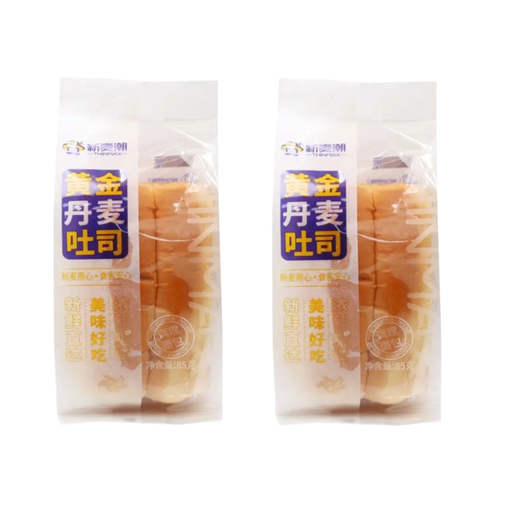
Thinmax Golden Danish Toast, 85 g twice

Thinmax Golden Danish Toast 85 g × 2

For a few sandwiches, when two small units suit your plans better than a larger pack of toast. The product information lists two 85 g units; once opened, use each unit within 24 hours. Check the current ingredients and allergen information to make sure it suits your needs.

View at Joybuy
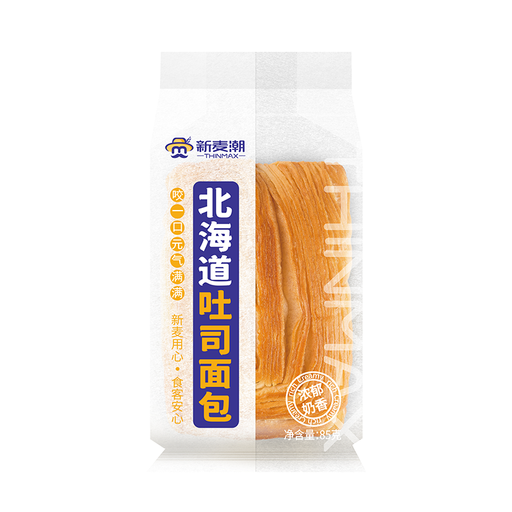
Thinmax Hokkaido Toast Bread, 85 g

Thinmax Hokkaido Toast Bread 85 g

An 85 g unit for a lunch that doesn’t need much bread. According to the product description, it’s suitable for sandwiches and should be used immediately after opening. Check the pack for the ingredient, allergen and portion information you need.

View at Joybuy
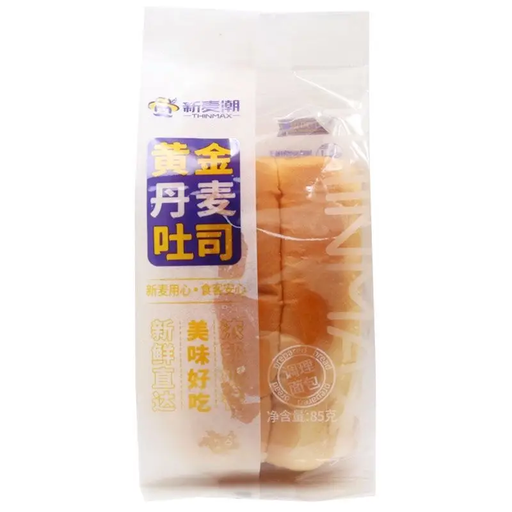
Thinmax Golden Danish Toast, 85 g

Thinmax Golden Danish Toast 85 g

This single 85 g unit is a good fit if you only need a small amount of toast for sandwiches. The product description says to eat it within 24 hours of opening. Check the current ingredients and allergen information, as well as how much you’ll need for lunch.

View at Joybuy

Frequently asked questions

What pack size is right for a few slices of toast at lunchtime?

Choose a quantity based on the portions you actually plan to make and the guidance for eating the product once the pack is open. REWE lists Harry wholemeal toast as ten slices in a 250 g pack. If you need less, an 85 g unit could also work, as long as the ingredients and intended use are right for you.

When is wholemeal toast a better choice than seeded toast?

If the stated wholegrain content is your main priority, compare products explicitly labelled as wholemeal with the ingredients list of a seeded toast. REWE lists Golden Toast wholemeal toast as containing 59% wholemeal wheat flour, while Harry Körner Balance contains seeds but has a stated wholegrain content of 8%.

How should I store opened toast for the next few working days?

Reseal the pack and follow its product-specific guidance on when to eat the bread. The Verbraucherzentrale recommends storing bread at room temperature in a dry place away from light; REWE also says to eat Harry wholemeal toast within three days of opening.

How can I find out which allergens are in toast served in the canteen?

For packaged toast, check the ingredients list and allergen information on the current pack. If food is served unpackaged, ask the canteen for its allergen information. If you have a specific requirement, don’t rely on labels such as ‘seeded’ or ‘gluten-free’ alone; check the other ingredients and any ‘may contain’ warnings too.