
Lieferung heute & morgen

Qualitätsgarantie

Willkommens-Angebote freischalten: KOSTENLOSE Lieferung | Bis zu 80 % RABATT | Kostenlose 30-Tage-JoyPlus-Testphase
App herunterladen
A Smart AI and AR Glasses can translate conversations, display notifications, play music, or serve as a private screen for films and games. However, smart glasses differ significantly in their technology. A model with a camera and voice assistant serves a different purpose to an AR glasses with a display or an XR glasses for gaming.
If you only rely on terms like "AI", "real-time" or a particularly large virtual screen diagonal, you can easily overlook important limitations. The following points will help you objectively assess marketing claims and choose a suitable model for everyday life in the UK.
An AI glasses with ChatGPT typically requires a connection to your smartphone, the app, or the internet. Voice commands, translations and image analysis can also depend on supported languages, app versions and regional services. Before buying, you should therefore check:
The term translation glasses alone says nothing about the actual language coverage or how the feature works.
With an AR glasses with display or video glasses, resolution, refresh rate, field of view and connectivity are crucial. A large virtual screen diagonal usually describes a perceived image from a certain distance, not the size of a physical screen.
For films and gaming, you should pay particular attention to USB-C video output, compatible devices, refresh rate and any necessary adapters. A smartphone with a USB-C port does not automatically support DisplayPort output. Games consoles may also require additional accessories.
Smart glasses can become uncomfortable during prolonged use due to weight, nose pads or wide temples. With camera models, there is also the social and legal consideration. In the UK, people should be clearly informed before being recorded; covert recordings can breach privacy rights.
If you are looking for smart glasses without a camera, you can reduce this risk in everyday life. However, with camera, microphone and recording functions, the relevant data protection and consent rules still apply.
For video glasses or gaming glasses, Micro-OLED, resolution, brightness in nits and refresh rate are objectively comparable specifications. 120 Hz can enable smooth motion with compatible content. A larger field of view can make the display more immersive, but it also affects power consumption and everyday perception.
With transparent AR displays, you should also check whether information interferes with your view outside the display. Display functions must not distract you when driving or operating machinery.
A smart glasses for iPhone and Android is not automatically fully compatible with every model. Check:
Some XR glasses draw their power directly from the connected device and do not need their own battery. This reduces the need to charge them, but requires a compatible connection.
With smart glasses with a camera, resolution, field of view and storage are relevant. For sports recording, recording duration, weather resistance and mounting can also play a role. Glasses with navigation usually use your smartphone, app and location services. The display can therefore vary depending on the software and region.
Language claims such as "35+", "98+" or "over 100 languages" should be understood as manufacturer statements. The actual quality of real-time translation can depend on language, internet connection, pronunciation and background noise.
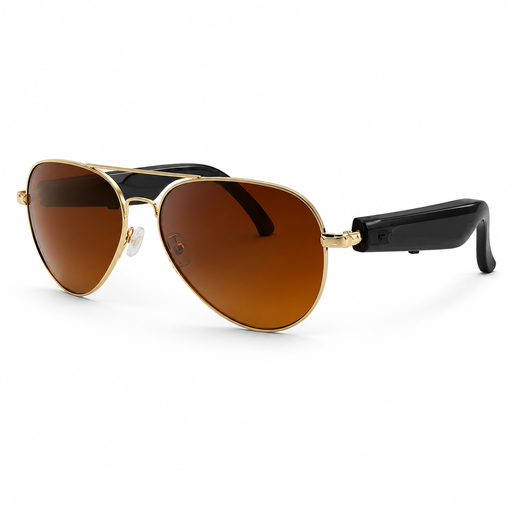
Why this product fits the profile: For users who want to try out language functions, telephony and music in a Bluetooth glasses. According to the product specifications, the model supports Android and iOS as well as translation functions for more than 100 languages.
The product description specifies concrete features such as app pairing, a 230 mAh battery, touch controls and a monthly translation allowance of up to 1,200 minutes.
Telephony, music, voice control and translation in one device; wireless range of at least 10 metres according to the specifications.
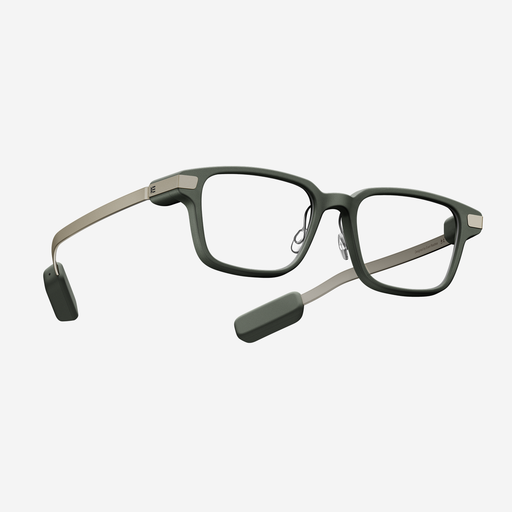
Why this product fits the profile: The camera-free smart glasses are aimed at professionals, students and users who want to discreetly use notifications, navigation, translation and teleprompter functions.
According to the product specifications, the model has no camera. This eliminates a key recording function that could raise additional data protection concerns in meetings or public spaces.
Weight of 36 g, Micro-LED display and, according to the supplier, up to two days of regular use; translation is stated for more than 35 languages.
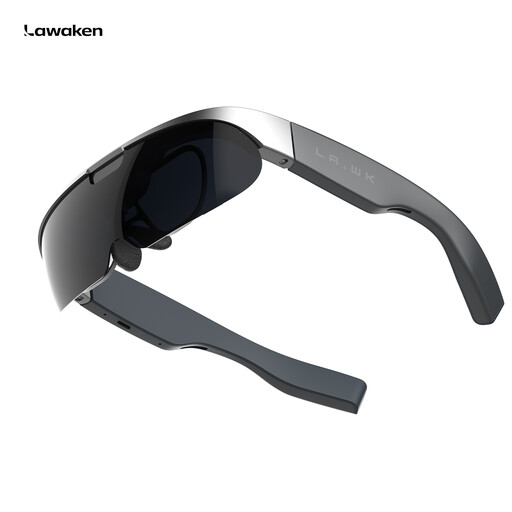
Why this product fits the profile: For cyclists and outdoor users who want to combine AR navigation, sports data, recording and open-ear audio.
The specifications list concrete values rather than just general outdoor marketing: IPX4 water resistance, IP5X dust protection, 8 MP camera, 4K recording and a stated battery life of up to eight hours.
Display with 640 × 480 pixels, 30° field of view, Bluetooth 5.3 and, according to the product description, support for iOS and Android.
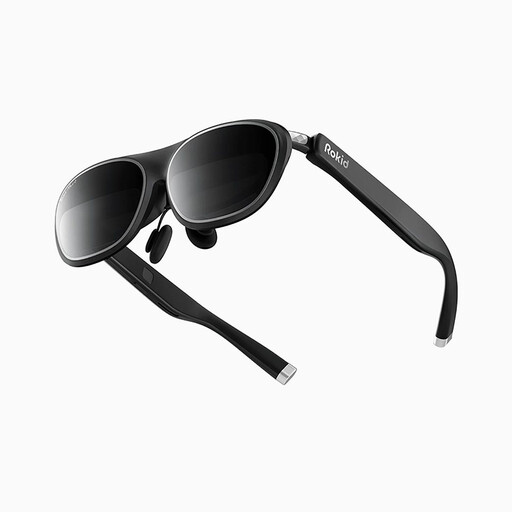
Why this product fits the profile: The AR and gaming glasses are designed for private viewing of films, work and games and, according to the product specifications, are compatible with Android, Windows PCs, Steam Deck and several consoles.
The description mentions 120 Hz, 50° field of view, 600 nits and built-in adjustment for short-sightedness up to 600 dioptres. The specific device compatibility should still be checked before purchase.
Micro-OLED display with a stated 215-inch projection from six metres; according to the product specifications, the glasses work without their own battery and are powered by the connected device.
We have put together a complete, regularly updated list of products that fully meet these strict selection criteria and the safety regulations in force in the EU.
That depends on the specific model and the app. Some models support both platforms for telephony, translation or AI functions. XR glasses often additionally require USB-C video output. Before buying, you should check the operating system, smartphone model and any necessary adapters.
The battery life depends on display brightness, camera, audio, translation and connection. Product specifications may state, for example, several hours of continuous operation or up to two days of regular use. These values are not directly comparable because the underlying usage scenarios can differ.
Possible costs depend on the app, cloud service and translation tariff. Some products mention a monthly usage allowance, while others may require additional services or a separate AI subscription. Before buying, you should therefore consider not only the device price, but also app access, translation limits and optional accessory costs.