
Lieferung heute & morgen

Qualitätsgarantie
App herunterladen
Kategorien
A smart electric toothbrush represents the integration of sensor technology and data analysis into daily oral hygiene. Unlike conventional electric models, these devices capture data about your brushing session—such as pressure, duration, and coverage—and present this information via an app or an integrated display. The goal is to provide the user with objective feedback to optimise their brushing technique and ensure a consistent, thorough cleaning of all areas of the mouth.
The decision for a particular model should be based on an analysis of its technical specifications and practical benefits. The following parameters are relevant for a meaningful comparison.
The fundamental operating principle is a primary distinguishing feature.
The "intelligence" of a toothbrush is defined by its sensors and data processing capabilities.
Most smart toothbrushes offer various programmes tailored to specific needs. Common modes include:
For practical daily use, the power supply and included accessories are also important considerations.
Based on the technical criteria mentioned above, we present two models that focus on different aspects of functionality.
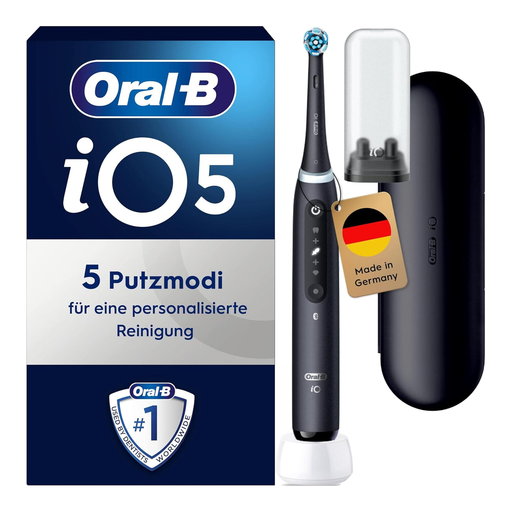
Why we recommend this product: The Oral-B iO 5 combines the established oscillating-rotating cleaning technology with a precise magnetic drive. A key feature is the visual 360° pressure control, which gives the user immediate feedback on applied pressure through a colour-coded system (green, white, red). The connection to the Oral-B app enables AI-powered analysis of brushing habits for complete coverage.
Pros:
Who it's for: Users who value a proven cleaning system and want to benefit from advanced pressure control feedback. Ideal for individuals looking to improve their brushing technique with detailed app analysis.
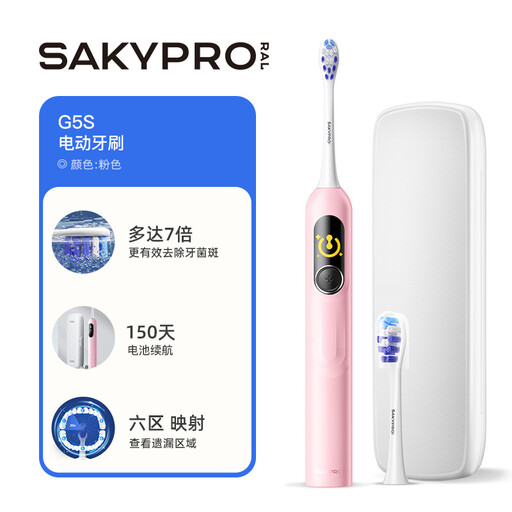
Why we recommend this product: The G5S model from SAKYPRORAL focuses on autonomy and direct feedback. Its standout features are the exceptionally long battery life of up to 150 days and the LED display integrated into the handle. This display shows a real-time map of your teeth and highlights missed spots, enabling a complete clean without constantly looking at a smartphone.
Pros:
Who it's for: Users seeking maximum independence from charging and a smartphone app. Especially practical for frequent travellers or those who prefer straightforward, direct feedback during brushing.
A high-quality travel case is often included with smart toothbrushes and protects the device and brush heads from contamination and damage. For protecting other personal electronics or accessories while travelling, a separate, robust case can be a sensible addition. Options for this include models made from durable materials, such as a leather case.
1. What distinguishes a smart electric toothbrush from a regular electric one? The main difference lies in the sensors and connectivity. A smart toothbrush captures data like brushing pressure, position, and duration. It provides feedback to the user via an app or a display to improve brushing technique and ensure all areas of the mouth are cleaned evenly. A regular electric toothbrush cleans mechanically but offers no such data analysis.
2. How often should you change the brush head of a sonic toothbrush? Most manufacturers and dental organisations recommend changing the brush head every three months. Replacement is also advisable if the bristles are visibly worn or frayed, as this reduces cleaning efficiency.
3. Is a toothbrush with pressure control beneficial for sensitive gums? Yes, a toothbrush with pressure control is particularly advantageous for people with sensitive gums. Excessive pressure is a common cause of gum irritation and recession. The sensor warns the user to reduce pressure, thereby helping to protect the gums and ensure a gentle yet effective clean.