
Lieferung heute & morgen

Qualitätsgarantie

Willkommens-Angebote freischalten: KOSTENLOSE Lieferung | Bis zu 80 % RABATT | Kostenlose 30-Tage-JoyPlus-Testphase
App herunterladen
A smart garden irrigation controller can automate scheduled watering, let you control it via an app, and pause when it rains. However, it isn’t automatically suitable for every homeowner, keen gardener or user of larger garden areas. What really matters is the connection type, water distribution, wireless standard, and whether it genuinely works for multiple zones.
A watering timer with an app may only let you change start times remotely. True weather-dependent watering needs extra features, such as a rain delay, weather data or a physical rain sensor. So check whether the device actually detects rain or just offers a manual pause in the app.
Many Wi-Fi watering computers only work on the 2.4 GHz network. This is often more practical outdoors than 5 GHz, but it does require a compatible router and a strong enough signal. Range figures usually refer to open spaces. Walls, metal housings and longer distances can significantly reduce the connection.
Multiple schedules are not the same as multiple physical water zones. A single outlet can store different programmes for lawn, flower beds or a greenhouse, but it cannot control several valves independently at the same time. For true multi-zone irrigation, the controller, valves, sprinklers and water pressure all need to work together.
In British gardens, G3/4 connections are widely used. An included G1/2 adapter can make installation easier, but it doesn’t replace checking your existing tap. Equally important is the permitted water pressure. For the WOOX R2603 and R2604, the stated working range is 0.03 to 0.9 MPa. If the pressure falls outside this range, faults or leaks may occur.
The flow rate of your supply also matters: a sprinkler for a lawn area typically needs more water than a drip irrigation system for a flower bed. If necessary, divide large areas into separate irrigation zones.
The IP65 rating indicates protection against dust and low-pressure water jets. It does not mean the device can be permanently submerged. When installing, choose a spot that is as sheltered as possible and keep all plug connections dry.
UV-resistant plastic can help reduce ageing from sunlight. Nevertheless, you should check seals regularly and drain the water connection before frost sets in. For battery-operated devices, also consider the battery type, replacement interval and a low-battery warning function.
A useful watering app should offer at least manual control, schedules and a rain delay. Local storage is also handy: that way, the Wi-Fi watering computer can continue running its programmes if the internet connection temporarily drops out.
For different plants, features like Cycle and Soak, individual run times and multiple programmes are helpful. Lawn, vegetable patch and flower bed don’t necessarily need the same watering duration. A child lock and a display of watering logs can make operation in a family garden even more controllable.
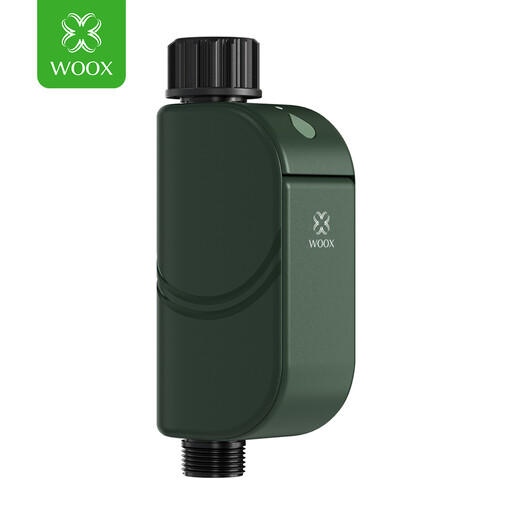
Why this product fits the profile: The timer connects directly to a 2.4 GHz Wi-Fi network and, according to the product details, requires no additional hub. It is suitable for a tap connection and manageable garden areas.
The technical specifications list G3/4 as the standard connection, a G1/2 adapter and IP65. In addition, schedules are stored locally, so the watering continues even without an active Wi-Fi connection, according to the supplier.
Up to 20 independent watering schedules, Bluetooth BLE 5.4, Alexa and Google Assistant compatibility, and a stated battery life of up to two years under defined usage.
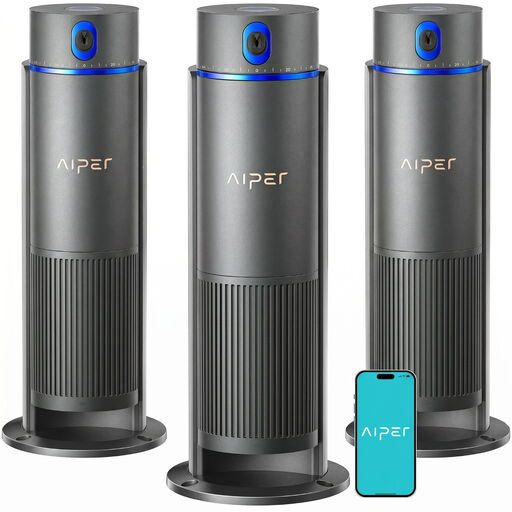
Why this product fits the profile: This system is aimed at users who want to manage several garden areas with individual watering maps. According to the product description, up to ten maps for different plant types are possible.
The integrated rain sensor is designed to stop watering when it rains. Before buying, you should still check the area size, water pressure and placement of the individual units.
App control, weather-adaptive programming and a stated coverage of up to 440 m². The supplier mentions potential water savings of up to 40 per cent; the actual figure depends on installation and the watering schedule.
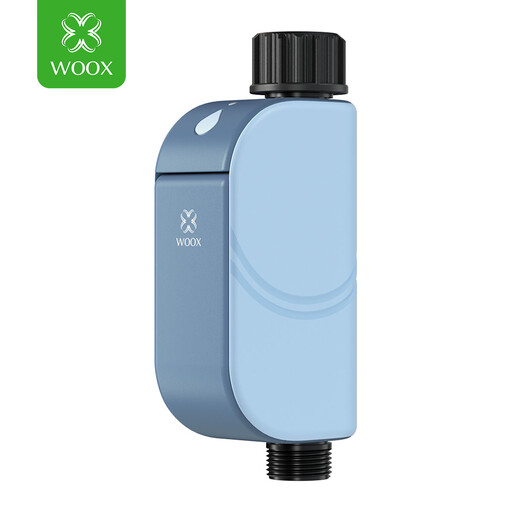
Why this product fits the profile: For a greenhouse, vegetable patch or larger single areas, this timer offers many separate programmes and several automatic modes. You can also control it via Alexa or Google Assistant.
The specifications mention offline schedules, a rain delay of up to 30 days, a frost protection mode and a low battery warning. However, this doesn’t replace checking your connections and pipes.
IP65, UV-resistant housing, G3/4 connection, up to 20 independent schedules and a stated working pressure of 0.03 to 0.9 MPa.
First, mount the controller onto your tap and check all seals at low pressure. Then connect sprinklers or drip hoses and set the watering times for each zone. For Wi-Fi models, test the connection at the intended mounting location before fixing it permanently.
Ongoing costs include batteries or electricity, water usage and possibly replacement parts like seals. A water-saving garden irrigation system isn’t created by an app alone: watering time, sprinkler type, soil, plant type and rainfall all need to work together. Before frost sets in, drain all water-carrying components and store sensitive devices according to the manufacturer’s instructions.
We’ve put together a full, regularly updated list of products that fully meet these strict selection criteria and the safety regulations in force in the EU.
That depends on the model. Some devices store schedules locally and continue to run them if the internet connection is interrupted. Remote control via the app is usually not available in that case. Check this function explicitly in the product description.
Battery life depends on valve movements, Wi-Fi usage, temperature and battery type. For the WOOX R2603 and R2604, up to two years is stated for approximately ten operations per day. This figure is a guideline and not a guaranteed life for every type of use.
For lawns, flower beds and larger garden areas, a rain sensor can prevent unnecessary watering. The key is to distinguish between a real sensor and an app function that only uses weather data or a manual rain pause. For very small areas, a simple watering timer may be sufficient and more economical.