
Lieferung heute & morgen

Qualitätsgarantie

Willkommens-Angebote freischalten: KOSTENLOSE Lieferung | Bis zu 80 % RABATT | Kostenlose 30-Tage-JoyPlus-Testphase
App herunterladen
A smart irrigation system can water your lawn, flower beds and shrubs on a set schedule or depending on the weather. In the UK, it’s not just about app features. The water connection, range, frost protection and how your garden is divided all determine whether an automatic watering system will work reliably day to day.
Many watering controllers with an app only let you start and stop a single water connection. For a garden with a lawn, flower beds and vegetable patches, separate control makes much more sense. These areas differ in watering duration, water volume and time of day.
So look for specific details about watering schedules, zones or watering maps. A weather forecast alone doesn’t replace separate programming.
Claims like “up to 40%” or “up to 50% less water usage” depend on pressure, spray pattern, soil, pipe layout and programming. You should treat these figures as manufacturer estimates, not guaranteed everyday savings.
What’s genuinely useful is a rain sensor, a rain delay function and weather-dependent watering. These stop the programmed cycle from starting when it’s already raining.
An IP65 rating describes how well the housing is protected against dust and water jets. It doesn’t mean the connected irrigation system can stay outside permanently during frost. Before winter, you should drain the water pipes, valves and controller according to the manufacturer’s instructions, or store them in a frost-free place.
First, check the thread on your outdoor tap. A G3/4 connection is common on many models; an adapter to G1/2 may be included. Equally important is the permitted water pressure. The WOOX R2603 and R2604, for example, are rated for a working range of 0.03 to 0.9 MPa.
If the pressure is too low, sprinklers may not cover the area you want. If it’s too high, connections and valves can be strained. With long hoses or multiple sprinklers, you should also check the available water flow.
For automatic lawn watering, a single schedule is often enough. A mixed garden, however, benefits from multi-zone watering. Check how many individual programmes, maps or time slots the app supports.
Useful features include:
A Wi-Fi watering controller usually works on 2.4 GHz Wi-Fi, because this band generally offers better range outdoors than 5 GHz. Bluetooth can make initial setup easier. Also check whether a separate hub is required.
A built-in rain sensor can stop watering when it rains. Weather data from the app can help with planning, but shouldn’t be treated as an exact local measurement. For outdoor installation, IP rating, UV resistance, battery or solar power and the permitted operating temperature are all relevant.
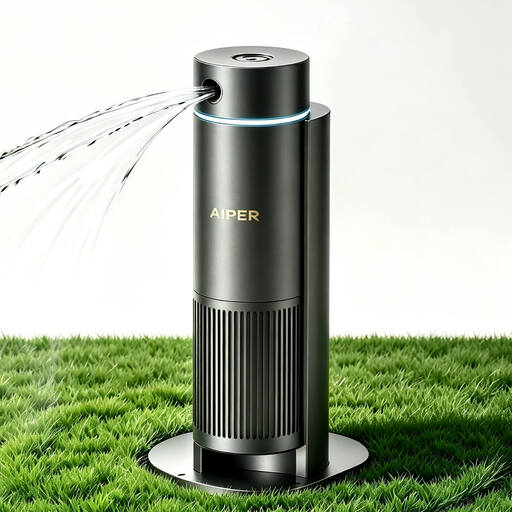
Why this product fits the profile: The combination of app control, Wi-Fi and Bluetooth, plus tool-free setup, is designed for a straightforward introduction to automatic garden watering.
The control isn’t limited to a fixed timer: according to the product details, it offers weather adjustment, a rain sensor and up to ten individual watering maps.
Wi-Fi and Bluetooth connection, tool-free DIY installation, weather-dependent adjustment and claimed water savings of up to 50% according to the product description.
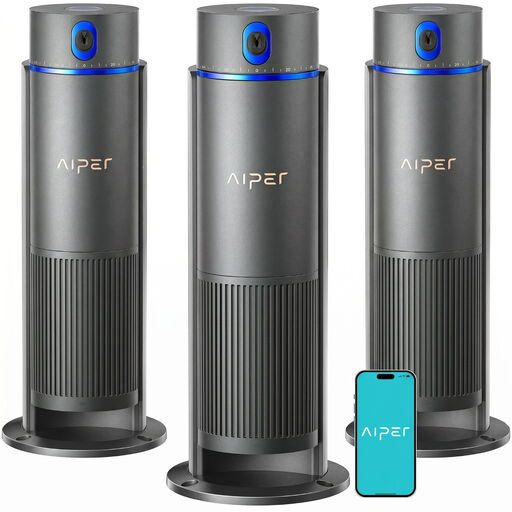
Why this product fits the profile: The three-pack is aimed at garden owners who want to control several areas separately and value even water distribution.
The specifications mention up to ten individual watering maps, a rain sensor and TÜV-certified EvenRain technology. This helps you avoid fixed one-size-fits-all programmes for different plant areas.
Combination of controller, sprinkler and electric valve, app-based multi-zone scheduling and claimed coverage for lawns up to 440 m².
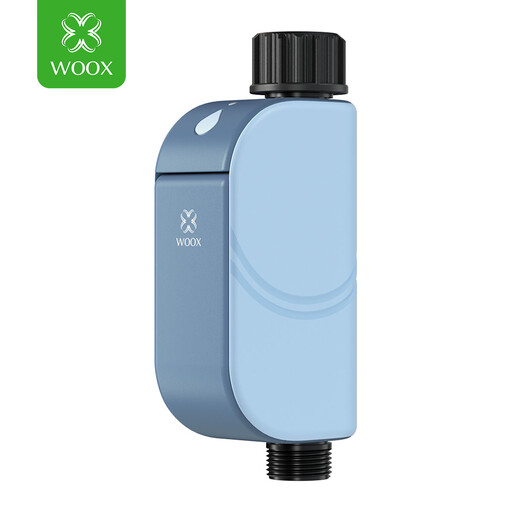
Why this product fits the profile: For a greenhouse, vegetable patch or multiple watering schedules, this timer offers extensive app features, direct Wi-Fi connection and local schedule storage.
According to the product data, the R2604 offers up to 20 independent schedules, rain delay, offline schedules and a frost protection mode. This reduces reliance on a permanently active internet connection.
IP65 housing, 2.4 GHz Wi-Fi without a separate hub, up to 20 watering schedules and compatibility with Alexa and Google Assistant according to the manufacturer.
We’ve put together a full, regularly updated list of products that fully meet these strict selection criteria and the safety regulations in force in the EU.
Before fitting, check your tap, hose connections and the planned sprinkler area. Position sprinklers so they don’t unnecessarily water house walls, paths or neighbouring properties. For mains water connections, you must use suitable backflow preventers and follow local regulations.
For water-saving garden watering, we recommend:
First, mount the controller to the water connection and attach the hose or irrigation pipe. Then connect it to the app via 2.4 GHz Wi-Fi or Bluetooth. After that, set up the areas, run times and rain days. Before leaving it to run unattended, check that all areas are being watered evenly.
Its lifespan depends on frost protection, water quality, pressure, UV exposure and battery changes. Even an IP65 housing doesn’t protect the valve from frost damage. Drain the system before the cold season and follow the manufacturer’s instructions.
Beyond the purchase price, the main costs are for water, batteries or electricity, plus any replacement parts and extra hoses. Water consumption depends more on the area, pressure, nozzles and programming than on the app itself. A rain sensor, rain delay and individually set zones can reduce unnecessary watering cycles.