
Lieferung heute & morgen

Qualitätsgarantie

Willkommens-Angebote freischalten: KOSTENLOSE Lieferung | Bis zu 80 % RABATT | Kostenlose 30-Tage-JoyPlus-Testphase
App herunterladen
Smart glasses that discreetly display information in your field of view promise a significant boost in everyday productivity. But the market is confusing and filled with exaggerated marketing claims. Many models turn out to be impractical, socially awkward, or technically immature. Before you make a decision, it's crucial to understand the most common pitfalls to avoid a bad investment.
As your Joybuy Product Recommendation Officer, I'll help you cut through the noise and identify the features that truly matter.
The 3 most common pitfalls when buying smart glasses:
To make the right choice, you should focus on objective, technical parameters that determine their actual daily utility.
The quality of the display is critical. Modern smart glasses with a display use technologies like Micro-LED or Micro-OLED. These enable a bright, clear projection that is visible only to the wearer, without obstructing their field of view. Look for models with a discreetly integrated display that respects privacy. The information should serve as unobtrusive assistance, not a distraction.
For all-day use, comfort is non-negotiable. Lightweight smart glasses made from high-quality materials like titanium and magnesium alloys offer stability with minimal weight. A weight of around 35–40 grams is a good benchmark for models that feel like regular glasses. The design should be inconspicuous and blend seamlessly into a professional environment.
Instead of being swayed by vague AR promises, focus on concrete, useful features. For example, AI glasses can serve as a personal assistant. Particularly valuable features include:
These features boost efficiency without relying on a privacy-compromising camera.
Here are some recommendations for 2026, tailored to specific user profiles and designed to avoid the pitfalls mentioned.
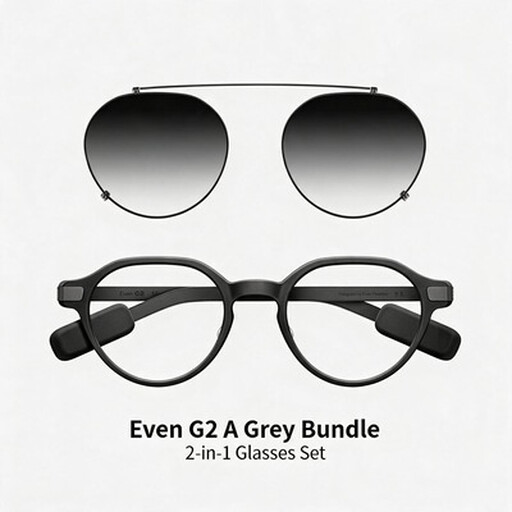
Why This Fits Their Persona: Ideal for managers and consultants seeking discreet technological support. The glasses offer practical features like real-time translation, a teleprompter, and AI-powered meeting summaries, all without a conspicuous camera.
The deliberate omission of a camera bypasses the privacy trap and ensures social acceptance. Weighing just 36g and offering long battery life, it avoids the pitfall of poor comfort.
Focuses on concrete productivity tools (teleprompter, translation, AI assistant). The Micro-LED display is private and clear. Its design is discreet and suitable for everyday wear.
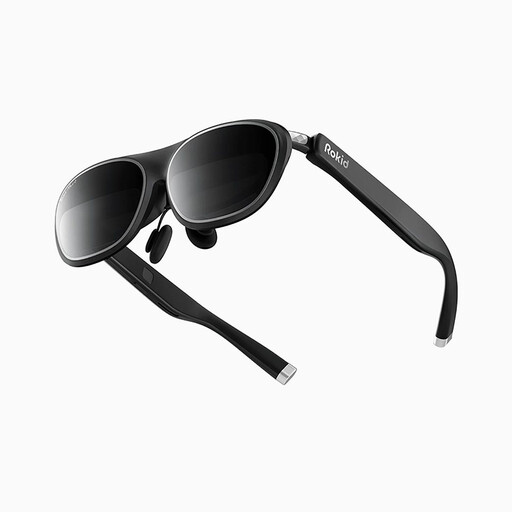
Why This Fits Their Persona: Perfect for users who want a portable, large-screen experience for movies and gaming. The glasses simulate a 215-inch screen and are compatible with many devices, including game consoles and laptops.
This model avoids the trap of exaggerated AR promises by clearly positioning itself as a high-quality, portable display. The adjustable diopter correction (0-600D) also solves a practical problem for nearsighted users.
Large, sharp Micro-OLED display with a 120 Hz refresh rate for smooth visuals. Broad device compatibility. Integrated diopter adjustment for glasses wearers.
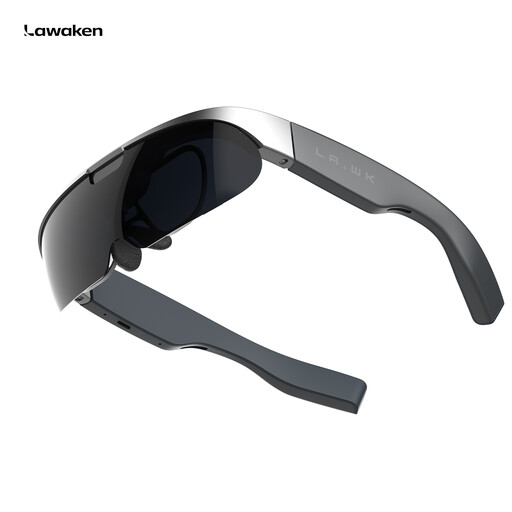
Why This Fits Their Persona: Specifically designed for cyclists and outdoor athletes. The glasses provide an AR head-up display for navigation and performance data, keeping your hands on the handlebars. Here, the camera serves a clear purpose: recording rides.
The camera isn't a gimmick but a functional tool for a specific use case (ride recording). The design is robust and tailored for athletic activities, thus avoiding the comfort pitfall in a sports context.
Specialised features for athletes: AR navigation, synchronisation with sports peripherals, and an integrated 4K camera. The design is water-resistant (IPX4) and offers UV protection.
We have compiled a complete, up-to-date list of products that fully meet these strict selection criteria and relevant regulations.
Battery life varies greatly depending on the model and usage intensity. Basic models for notifications can last a full workday (approx. 8 hours) or more. Models with intensive display use, such as for movies or gaming, often have a shorter runtime of 2-4 hours. Some products, like the Even G2, claim up to 2 days of use with regular activity, which can be extended further with a charging case.
Yes, many manufacturers offer solutions for prescription lens wearers. Some models, like the Rokid Max 2, feature built-in diopter adjustment for nearsightedness. For others, you can either order special prescription inserts from the manufacturer or have them made by an optician to fit into the frame. Check the specific options for each model before purchasing.
For most professional use cases, especially in client-facing environments or sensitive corporate areas, everyday smart glasses without a camera are a significantly better choice. They avoid privacy concerns and social barriers, which greatly increases acceptance among colleagues and business partners. Features like a teleprompter, translation, and discreet notifications offer high value without compromising privacy.