
当日/次日达

品质保障

开启新人专享福利: 全场免邮 | 低至 2 折 | 免费试用 30 天 JoyPlus 会员
下载 Joybuy
The smart glasses market is growing, and with it, the variety of models, ranging from simple audio glasses to complex AR glasses. But while the technological possibilities are impressive, exaggerated marketing claims and hidden flaws often lead to buyer's remorse. Before you invest, it's crucial to separate the wheat from the chaff. This guide highlights the most common pitfalls and shows you which technical specifications really matter.
As your Joybuy Product Recommendation Officer, I'm here to help you make informed decisions based on facts, not marketing slogans.
Many models look promising on paper but disappoint in practice. Pay close attention to these three points to avoid disappointment:
To find the right smart glasses for your needs, you should carefully examine three core technical areas. These objective criteria will help you realistically assess a model's performance.
A stable and fast connection is the foundation of any smart glasses. Look for models with Bluetooth 5.3. This standard offers greater range, a more stable connection, and lower latency, which is especially important for audio transmission and phone calls. Also, check if the glasses are fully compatible with both iOS and Android and if they support a simultaneous connection to two devices (e.g., a smartphone and a laptop). This is a key advantage for professionals who need to switch seamlessly between calls and meetings.
Battery capacity, specified in milliampere-hours (mAh), is a starting point. However, the manufacturer's stated runtimes for specific scenarios like music playback or talk time are more important. A good pair of audio glasses should provide at least 8–10 hours of continuous music playback. Models with camera or AR features naturally have higher power consumption. Look for realistic specifications and a fast charging time (e.g., a full charge in about an hour). Magnetic charging ports are often more convenient and durable than conventional USB ports.
Material and build quality are crucial for comfort and durability.
Based on the criteria above, we have identified a few models that are particularly well-suited for specific user groups.
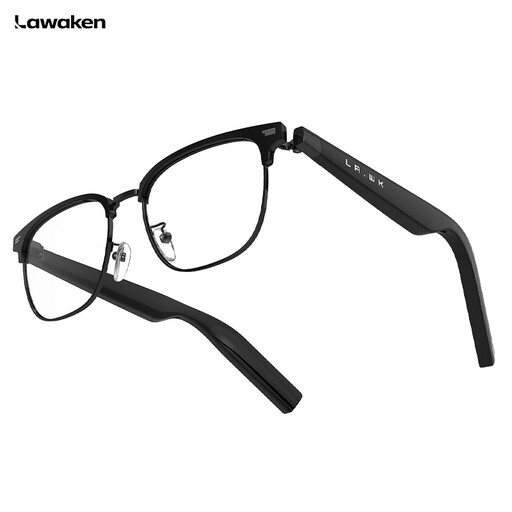
Why This Fits Their Persona: Ideal for professional use. The real-time translation in 128 languages facilitates international communication, while the AI note-taking feature automatically summarises meetings. The classic design is discreet and office-appropriate.
Avoids the battery trap with up to 12 hours of runtime and the connectivity trap by supporting simultaneous connection to two devices.
The combination of translator glasses and an AI note-taking function boosts productivity in daily work and on travels. The open-ear design ensures situational awareness.
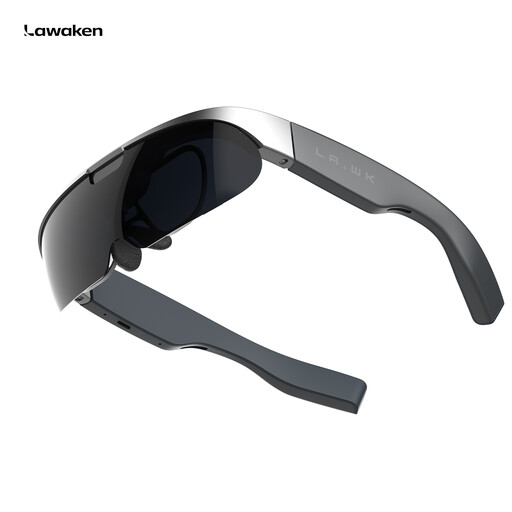
Why This Fits Their Persona: Specifically designed for cycling. The AR display projects navigation cues and performance data directly into the field of view, keeping your eyes on the road. The rugged design and UV protection are optimised for outdoor use.
Solves the comfort problem with an ergonomic design for sports activities. The 8-hour battery life is designed for extended rides, even with active AR use.
The integrated AR glasses with a head-up display (HUD) for navigation and data synchronisation with sports devices offer a clear safety and performance advantage. Includes glasses with a camera for recording.
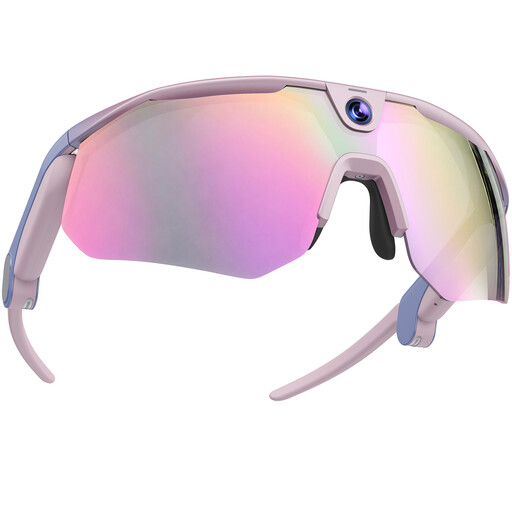
Why This Fits Their Persona: Perfect for users who want to capture their experiences from a first-person perspective. The high-quality camera and AI-powered video editing make it easy to create and share stunning clips from hikes or bike tours.
Evades the comfort trap with a very low weight of just 49 grams and a frame made of TR90. The open-ear audio feature ensures ambient sounds remain audible.
The integrated 16MP camera with 3K60FPS video recording and electronic image stabilisation (EIS) delivers smooth and clear footage. The AI features significantly simplify post-processing.
We've compiled a complete, up-to-date list of products that fully meet these strict selection criteria and rigorous safety standards.
The actual battery life depends heavily on usage. For pure audio glasses, used primarily for music and phone calls, you can expect 8 to 12 hours. Models with camera or AR features, such as AI glasses with a display, have significantly higher power consumption. With continuous video recording or AR navigation, the runtime can drop to 1 to 3 hours. Check the manufacturer's specifications for specific use cases to set a realistic expectation.
Yes, many manufacturers offer solutions for glasses wearers. Some models are compatible with a prescription lens insert that an optician can fit to your prescription. Others offer the ability to attach the smart modules to different frame designs. Look for notes like "compatible with prescription lenses" or "prescription lenses compatible" in the product description.
The use of glasses with a camera operates in a legal grey area in Germany. Secretly filming people in public spaces can violate their personality rights (the right to one's own image). According to GDPR, individuals must be informed of and consent to being recorded. For private use, such as recording a bike tour from your own perspective, it is generally not an issue as long as no other people are identifiably filmed. When in doubt, you should refrain from recording in public spaces or explicitly ask for permission.