
Lieferung heute & morgen

Qualitätsgarantie

Willkommens-Angebote freischalten: KOSTENLOSE Lieferung | Bis zu 80 % RABATT | Kostenlose 30-Tage-JoyPlus-Testphase
App herunterladen
Smart glasses combine classic eyewear styles with digital features. Depending on the model, they can display information, help with conversations, show translations, play music through open-ear audio or record videos from your point of view. The range extends from display glasses without a camera to sports camera glasses for cyclists and content creators.
Specifications can vary considerably, though. If you focus only on terms such as “AI glasses”, “3K video” or “translation glasses”, it’s easy to overlook important limitations. The guide below will help you compare features, everyday practicality and privacy considerations on their merits.
Not every pair of smart glasses has a visible display. Some models only play audio, while others take photos and record videos. Smart glasses with a camera are suitable for recording from the wearer’s point of view, but they won’t replace a traditional action camera in every situation. Smart glasses without a camera, on the other hand, may raise fewer privacy concerns in meetings or private settings.
The term AI glasses alone also tells you little about what a model can do. What matters is which app, voice features and smartphone compatibility are actually supported.
Specifications such as a 16 MP camera or 3K60FPS describe technical features, but they don’t automatically guarantee the quality of every recording. Lighting, image stabilisation, field of view, and how footage is stored or transferred all affect the results.
According to the product information, the BleeqUp Ranger’s 3K60FPS feature is currently limited to certain iPhone models and iOS versions. If you use Android, check the manufacturer’s latest compatibility list before buying.
Battery life during video recording, phone calls, navigation and use at high display brightness will usually differ from occasional notification checks. Figures such as “up to two days” should therefore be treated as manufacturer estimates for a specific usage pattern. Also check whether you need a charging case, a special charging cable or an active smartphone connection.
A pair of display glasses with a clear screen can be useful for presentations, navigation and discreet prompts. Key points to consider include:
If you want to capture cycling trips, hikes or outdoor activities, you’re more likely to need cycling glasses with a camera. Here, frame rate, electronic image stabilisation, field of view and ease of use while moving all matter.
Smart glasses contain extra electronics, speakers, a battery and, in some cases, cameras. This means the weight is distributed differently from that of ordinary glasses. A lightweight frame may feel more comfortable during extended wear, but you’ll still need to check the nose pads, arm shape and fit.
According to the product specifications, the Even G2 weighs 36 g and has titanium arms and a magnesium frame. The BleeqUp Ranger is made from TR90 and weighs 49 g, according to the manufacturer. These figures are easy to compare, but they don’t tell you which model will suit every face shape.
If you’re using camera glasses in Germany, remember to consider other people’s privacy. Before recording, familiarise yourself with the relevant data protection and privacy rights. The BleeqUp Ranger also advises against using the camera while cycling and recommends switching off electronic features in situations that require your full attention.
Also check:
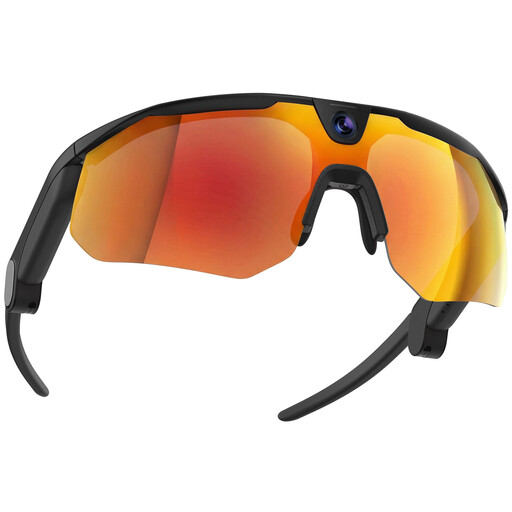
Why this product suits this profile: For beginners looking to combine a camera, music and hands-free features in a pair of sports glasses. They’re designed for cycling, hiking and other outdoor activities.
The product details specify the camera resolution, frame rate, EIS, field of view and smartphone limitations. This makes it easier to assess marketing claims before you buy.
16 MP camera, 3K60FPS specification, EIS image stabilisation and open-ear audio; product information also lists a walkie-talkie function and a weight of 49 g.
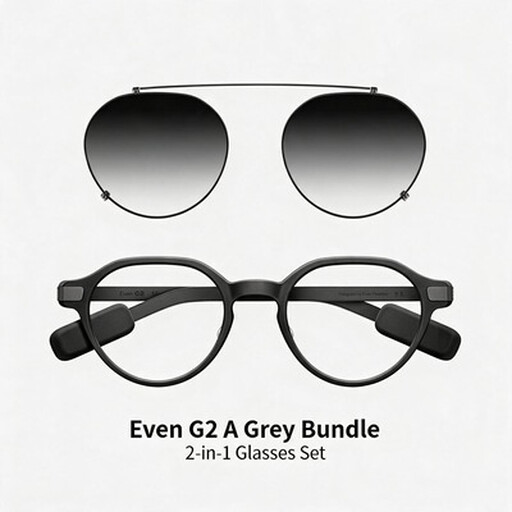
Why this product suits this profile: For professionals, presenters and travellers looking for discreet display glasses without a camera to support productivity and communication.
There’s no camera by design. This clearly distinguishes the glasses from camera glasses and makes it easier to assess their impact on privacy in your immediate surroundings.
Micro-LED display, Conversate, translation feature, voice-controlled teleprompter and, according to the product information, up to two days of regular use.
Why this product suits this profile: For outdoor enthusiasts and content creators looking for camera glasses with open-ear audio and a version featuring ZEISS lenses.
The selection clearly highlights EIS, field of view, frame rate and current device compatibility. You’ll still need to check that your own smartphone is supported before buying.
Sony 16 MP camera according to the product information, 120-degree field of view, EIS, 4K photos and open-ear audio with wind noise reduction.
We’ve put together a complete, regularly updated list of products that meet these strict selection criteria and fully comply with the safety regulations in force in the EU.
Depending on the model, they can display notifications, navigation prompts, translations or teleprompter text. Other versions focus on taking photos and videos, making phone calls and open-ear audio. Decide on your main use before you buy.
Battery life depends on display brightness, video recording, audio use and app connectivity. Manufacturer claims such as up to two days for the Even G2 refer to regular use. The BleeqUp Ranger has a non-replaceable battery, so it’s worth including charging accessories and compatibility in your comparison.
Wearing them isn’t prohibited outright. However, recording may affect people’s privacy rights. Let anyone nearby know before you record, avoid sensitive areas and don’t use the camera in situations that require your full attention.