
Lieferung heute & morgen

Qualitätsgarantie

Willkommens-Angebote freischalten: KOSTENLOSE Lieferung | Bis zu 80 % RABATT | Kostenlose 30-Tage-JoyPlus-Testphase
App herunterladen
Smart glasses that deliver information discreetly without violating others' privacy with a camera—it's an attractive concept for many professionals. Yet, the wearables market is crowded and confusing. Many models overpromise and underdeliver, leading to poor investments. Before you make a decision, it's crucial to understand the common pitfalls that often only become apparent after the purchase.
A common issue is the design. Many smart glasses look bulky and overtly technical, appearing out of place in a professional or social setting. Another frequent shortcoming is battery life. Glasses that can't last a full workday fail to serve their purpose as a reliable everyday companion. Finally, display quality is critical. A dim or blurry display that is barely readable in normal daylight renders the smart features virtually useless.
To make an informed purchasing decision, you should evaluate three core parameters. These features separate functional, practical models from overhyped gadgets.
The heart of any pair of smart glasses is the display. What matters here is not just brightness, but also the projection technology. Modern systems use a micro-LED engine to project information into the field of view so that it is visible only to the wearer. This ensures smart glasses privacy in public or business settings. Look for technology that delivers a clear, bright image without obstructing your vision or being visible to outsiders. This is a crucial feature for practical AR glasses (Augmented Reality) that discreetly overlay information.
Smart glasses for everyday use must be one thing above all: comfortable. A heavy frame quickly leads to pressure points, making all-day wear impossible. Truly lightweight smart glasses often weigh under 40 grams. This is achieved by using materials like titanium and magnesium, which offer stability with minimal weight. The design should resemble that of standard prescription glasses to ensure social acceptance and blend seamlessly with any style.
The deliberate omission of a camera is a clear commitment to privacy—both for the wearer and those around them. Functionality should focus on productivity and information access. Useful applications include:
A long battery life of at least one full day with normal use is a fundamental requirement.
Based on the criteria mentioned, we have identified several models that are particularly well-suited for specific user profiles.
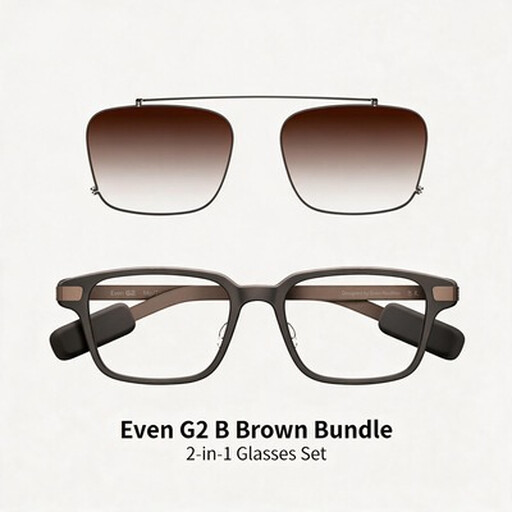
Why This Fits Their Persona: The classic, rectangular design in brown blends seamlessly into a professional environment. The glasses look like high-end prescription eyewear, not an obtrusive tech device, making them ideal for meetings and daily office life.
The deliberate omission of a camera bypasses social acceptance issues and privacy concerns. Its minimalist design avoids the "gadget look" common in other models.
Ultra-lightweight design (36g according to the manufacturer) for all-day comfort; discreet micro-LED display visible only to the wearer.
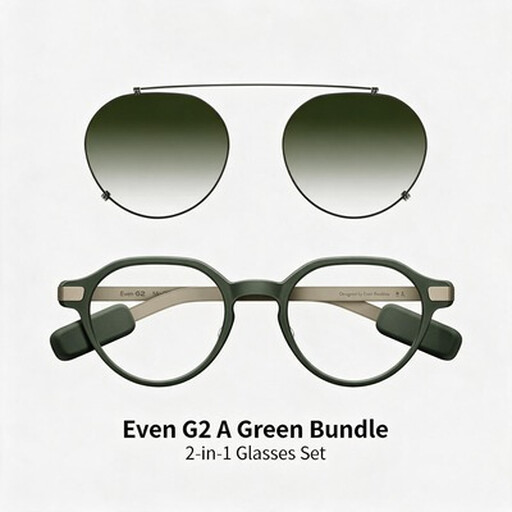
Why This Fits Their Persona: Ideal for speakers, consultants, and anyone who presents regularly. The integrated teleprompter function discreetly projects notes and talking points into the field of view, enabling a natural, confident delivery while maintaining eye contact with the audience.
The long battery life of up to two days with normal use (per manufacturer specifications) ensures the glasses won't unexpectedly die during long conference days or workshops.
Voice-controlled teleprompter for hands-free use; the panto design in green offers a modern yet professional aesthetic.
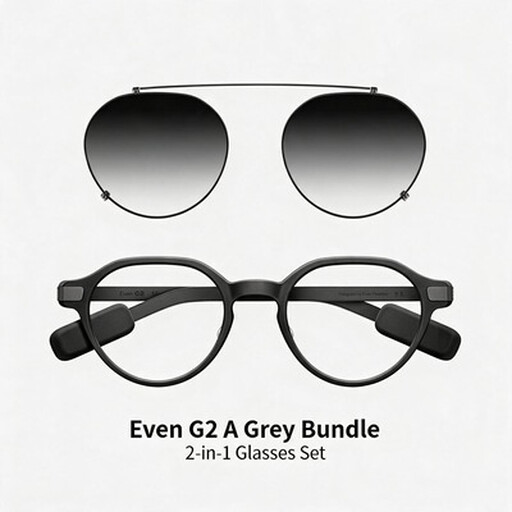
Why This Fits Their Persona: Perfect for business travellers and managers on international teams. The real-time translation feature for over 35 languages (according to the manufacturer) facilitates communication in multinational meetings and during travel, without needing to reach for a smartphone.
The translation is displayed discreetly on the screen. This avoids the unprofessional gesture of constantly looking down at a smartphone or another device during a conversation.
Powerful real-time translation and AI-powered conversation summaries to boost efficiency in international business environments.
We have compiled a complete, up-to-date list of products that fully meet these strict selection criteria and local regulations.
Smart glasses without a camera focus on displaying information. They use an integrated miniature projector (e.g., a micro-LED engine) to project data from a paired smartphone—such as notifications, navigation arrows, or text—onto a transparent surface in the lens. Control is typically handled via voice commands or a small touchpad on the temple.
Readability heavily depends on the display technology used and its brightness. High-quality models with micro-LED displays offer high luminance, which is sufficient to ensure a clear and distinct view even in bright ambient light. Cheaper models with simpler LCD projections may show weaknesses here.
Battery life varies by model and usage intensity. Leading models are designed to last up to two days with normal use, which includes occasional checking of notifications, navigation, and other functions. Many also come with a charging case that can extend their use on the go by several days, similar to wireless earbuds.