
Lieferung heute & morgen

Qualitätsgarantie

Willkommens-Angebote freischalten: KOSTENLOSE Lieferung | Bis zu 80 % RABATT | Kostenlose 30-Tage-JoyPlus-Testphase
App herunterladen
Smart headphones expand the functionality of conventional audio devices by integrating software and specialised hardware. These devices offer more than just music playback; they function as intelligent assistants for productivity, communication, and travel. Features like real-time translation, adaptive noise cancellation, and advanced connectivity options define this product category. This article analyses the technical parameters relevant to selecting smart headphones and presents two models with different specialisations.
An informed decision is based on the analysis of specific technical features that directly impact the user's use case.
The core feature of AI earbuds is their ability to perform complex tasks autonomously. Translator earbuds use integrated software that, in conjunction with a smartphone app, enables near real-time conversation between different languages. The number of supported languages and the translation latency are crucial quality indicators here. Seamless integration of voice assistants (e.g., Siri, Google Assistant) for hands-free control of calls, messages, and device functions is also a standard feature.
Audio quality is determined not only by the drivers but is significantly influenced by digital signal processing.
Modern wireless in-ear earbuds rely on stable and energy-efficient connection technologies.
Practical usability heavily depends on battery life and wearing comfort.
Based on the technical criteria mentioned above, we present two models that cater to different user profiles.

Why We Recommend This Product
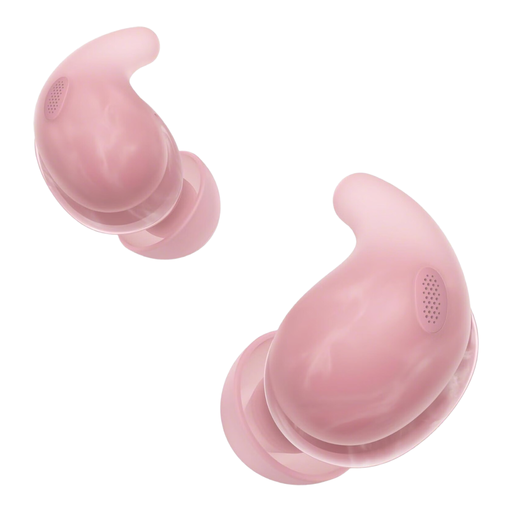
The VoxorAI C6 headset is primarily specialised for real-time translation. Supporting around 130 languages via a companion app, it specifically addresses the needs of international professionals, frequent travellers, and individuals looking for earbuds for language learning. Its Bluetooth 5.4 connectivity ensures a stable, long-range connection of up to 15 metres.
Pros
Who It's For This model is designed for users whose primary requirement is to overcome language barriers. Business travellers, members of international teams, and language students will directly benefit from its core functionality.
Why We Recommend This Product
The Sony LinkBuds Fit are positioned as versatile everyday companions with a focus on audio quality, comfort, and effective noise cancellation. The multipoint connection allows for seamless switching between two devices, boosting productivity in the daily workflow. With Hi-Res Audio support and a customisable equaliser, this model is aimed at users who value high-quality sound reproduction.
Pros
Who It's For This model is suitable for commuters, office professionals, and tech-savvy users looking for reliable earbuds for music, calls, and focused work. The seamless integration into multi-device ecosystems is a key advantage here.
While smart headphones are designed for mobile productivity and communication, other applications, such as audiophile enjoyment at home, require specialised equipment. For vinyl enthusiasts who want modern, wireless connectivity, a turntable with bluetooth could be an interesting option.
1. What distinguishes smart headphones from regular Bluetooth headphones? The main difference lies in the integrated software and additional sensors. Smart headphones offer active features beyond simple audio playback, such as real-time translation, adaptive noise cancellation that adjusts to the environment, or the integration of fitness tracking.
2. How does real-time translation in headphones work? The translation typically works in conjunction with a smartphone app. The earbud microphones capture the spoken language and send the data to the app, where it is processed and translated by a cloud-based AI engine. The translated audio is then sent back to the user's earbuds. This process happens within a few seconds.
3. Is active noise cancellation useful for concentration in the office? Yes, ANC can significantly enhance productivity in office environments. It effectively reduces monotonous, low-frequency sounds like air conditioning, fans, or the general hum of open-plan offices. This creates an acoustically isolated environment that promotes concentration.