
Lieferung heute & morgen

Qualitätsgarantie

Willkommens-Angebote freischalten: KOSTENLOSE Lieferung | Bis zu 80 % RABATT | Kostenlose 30-Tage-JoyPlus-Testphase
App herunterladen
Thoughtful garden irrigation is crucial for healthy plants and a well-kept lawn. However, manual watering is time-consuming and often leads to inefficient water use. A smart irrigation controller promises a solution, but the market is flooded with devices making big promises. Many users invest in a solution that later proves to be unreliable or complicated. This guide will show you which critical features to look for and how to avoid common purchasing mistakes.
Before you make a decision, it's important to understand the most common problems that plague many commercially available devices. These often lead to frustration and unnecessary expenses.
To avoid the problems mentioned above, you should examine three core technical areas before buying. These largely determine the performance and reliability of your smart irrigation controller.
The type of connection is fundamental. A Wi-Fi water timer that connects directly to your 2.4 GHz home network offers the greatest convenience. Such models do not require an additional hub. This simplifies installation and reduces overall costs. Look for the "hub-free water timer" label. A stable connection allows you to control the irrigation via a garden watering app from anywhere in the world—ideal for when you're on vacation or at work. For added convenience, look for compatibility with voice assistants. With commands like "Alexa, start watering," tending to your garden becomes even easier.
A high-quality automatic watering system should do more than just dispense water at fixed times. Look for devices that allow for detailed and flexible watering schedules. Important features include:
A water timer is exposed to the elements year-round. The quality of the materials is therefore crucial for its longevity.
Based on the criteria above, we have identified products suitable for different user profiles and garden tasks.
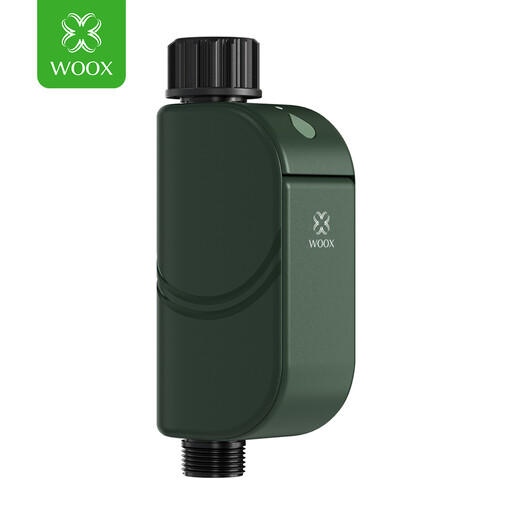
Why it's a great fit: Ideal for tech-savvy users looking for a reliable "set-it-and-forget-it" solution. Perfect for professionals or vacationers who want full control via app and voice without dealing with extra hardware.
This model connects directly to 2.4 GHz Wi-Fi and requires no hub. It integrates a weather forecast for rain delay and stores schedules locally. According to the manufacturer, the battery life with 4 AA batteries is up to 2 years.
Hub-free direct connection, comprehensive app features with up to 20 schedules, and compatibility with Alexa and Google Assistant.
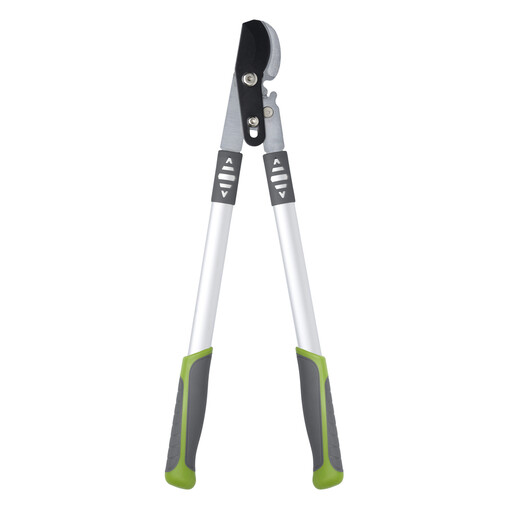
Why it's a great fit: For the gardener who understands that automation isn't everything. Pruning trees or removing thick branches requires a precise, powerful hand tool to complement automatic irrigation.
Instead of settling for a cheap tool that breaks quickly, this model offers a geared mechanism for high cutting power, carbon steel blades for clean cuts, and a 5-year manufacturer's warranty.
The geared mechanism allows for cutting branches up to 50 mm in diameter with reduced effort. Lightweight aluminum arms ensure good handling.
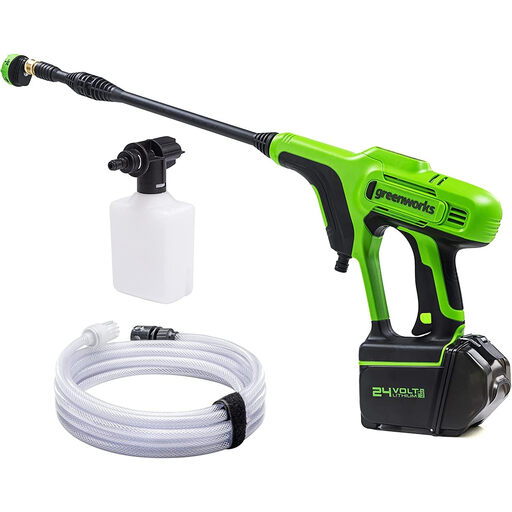
Why it's a great fit: For the home and garden owner who maintains the entire outdoor space. Once the irrigation is automated, this device offers a flexible and efficient solution for cleaning patios, garden furniture, bicycles, or tools.
This device solves the problem of bulky, corded pressure washers. It is battery-powered and can draw water from any source (bucket, rain barrel), eliminating dependence on power outlets and fixed water connections.
Maximum flexibility thanks to battery operation and an independent water supply via the included 6-meter suction hose. Ideal for cleaning jobs in places without direct power or water access.
Smart irrigation is just one part of a well-maintained garden. Discover more tools and devices that make gardening easier.
Yes, many higher-end models store the created watering schedules directly on the device. If the Wi-Fi connection fails, the programmed schedule continues to run autonomously. However, features like remote control via app or weather-based adjustments are unavailable during the outage.
Battery life varies greatly depending on the model and frequency of use. Energy-efficient devices with modern wireless technology have a clear advantage. For example, the manufacturer of the WOOX R2603 specifies a runtime of up to two years with four standard AA alkaline batteries, based on ten cycles per day. This can serve as a good benchmark for an economical device.
No, most models are designed for easy self-installation. They are typically screwed directly onto a standard outdoor tap with a G3/4 thread. Adapters for different sizes are often included. The setup of the corresponding app is usually menu-driven and completed in just a few minutes.