
Lieferung heute & morgen

Qualitätsgarantie

Willkommens-Angebote freischalten: KOSTENLOSE Lieferung | Bis zu 80 % RABATT | Kostenlose 30-Tage-JoyPlus-Testphase
App herunterladen
A high-quality tea or freshly brewed coffee can make all the difference to your day. But often, the disappointment isn't with the bean or the tea leaf, but with the wrong water temperature. A kettle with temperature control promises to solve this, but the market is flooded with appliances that have seemingly identical features. Choosing the right model is crucial to avoid common pitfalls.
As your Joybuy Product Recommendation Officer, I'm here to help you cut through the noise. We'll highlight the three most common frustrations that arise from an ill-considered purchase and show you what to look for.
To sidestep these pitfalls, you should carefully examine two core aspects before buying: the material and the precision of the controls.
The choice of material affects not only the look but also the durability and safety of the kettle.
Regardless of the main material, it is crucial that all plastic components that come into contact with the water are certified as BPA-free. This is an important standard for health-safe kitchen appliances.
The core function of these devices is heating water to a specific degree. There are two main approaches:
This level of precision is essential for specific use cases. A kettle for baby formula must be able to reliably reach temperatures around 40°C. A versatile tea maker should cover a wide spectrum to meet various requirements.
A well-designed kettle with a keep-warm function is a useful addition. Practical models will hold the selected temperature for at least 30 to 60 minutes. This is ideal if you want to enjoy a second cup or get distracted during preparation.
Instead of presenting an overwhelming list, we have selected models tailored to specific needs that meet the criteria mentioned above.
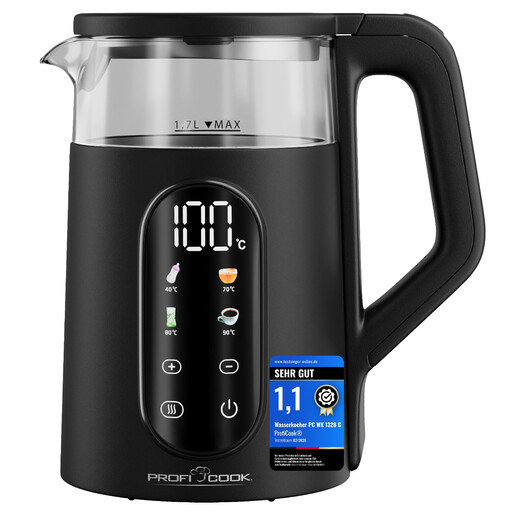
Why it's a great fit: Anyone who values the perfect aroma needs precision. This model offers a temperature range from 40°C to 100°C and a real-time display. The glass body ensures the taste of the water remains pure and untainted.
The real-time digital temperature display minimises the risk of deviation, thus avoiding the "Temperature Trap."
High flexibility thanks to its wide temperature range and an integrated keep-warm function.
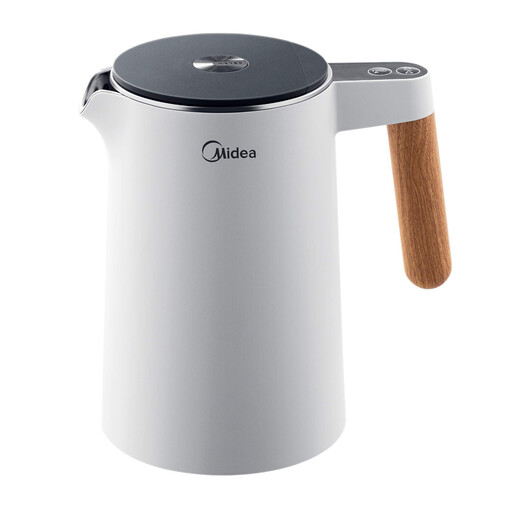
Why it's a great fit: When preparing baby formula, a precise, low temperature is crucial. This model offers settings starting from 45°C. The double-wall design reduces heat on the outer surface, protecting against burns.
According to the manufacturer, the interior is made of food-grade stainless steel and all plastic parts are BPA-free. This directly addresses the "Material Risk."
The double-wall design for enhanced safety and a keep-warm function of up to one hour.
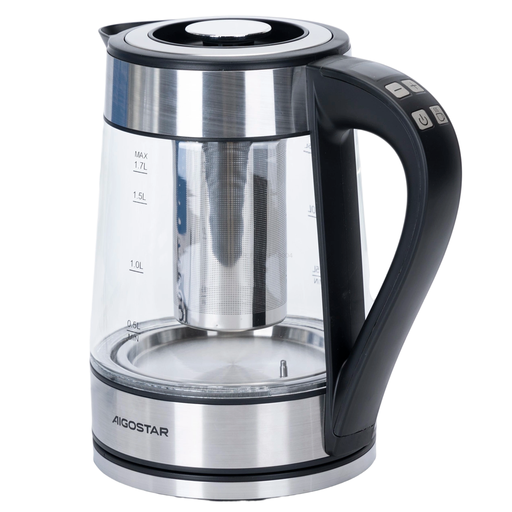
Why it's a great fit: The combination of glass, stainless steel, and a colourful LED indicator makes this appliance an eye-catching centerpiece in any modern kitchen. The intuitive touchscreen operation underscores its contemporary feel.
The memory function, which recalls the last-used setting, avoids the "Feature Illusion" of cumbersome operation and makes daily use more convenient.
Modern design with a digital display, touch controls, and a practical memory function.
We have compiled a complete, up-to-date list of products that fully meet these strict selection criteria and German safety regulations.
Regular descaling is important for the function and longevity of your kettle. It's best to use a solution of water and citric acid or white vinegar. Fill the kettle, bring the solution to a brief boil (or heat it to a lower temperature if recommended by the manufacturer), and let it sit for about 30 minutes. Afterwards, rinse the appliance thoroughly with clean water several times. Avoid aggressive chemical cleaners that could damage seals or sensors.
Both materials have their merits. Stainless steel is more resistant to impact and often provides better insulation, which saves energy and keeps the exterior cooler. Glass is aesthetically pleasing and allows for easy visual monitoring of the water level and limescale buildup. As long as it's high-quality stainless steel or heat-resistant borosilicate glass and all plastic parts are BPA-free, both are excellent choices. The decision depends on your personal priorities: durability and safety (stainless steel) or aesthetics and monitoring (glass).
Yes, for many users, this function is very practical. If you drink several cups of tea or coffee in the morning or are often distracted by other tasks, the keep-warm function saves you from having to re-boil the water. This not only saves time but also energy. Look for a function that lasts at least 30 minutes to ensure it provides real-world benefits.