
Lieferung heute & morgen

Qualitätsgarantie

Willkommens-Angebote freischalten: KOSTENLOSE Lieferung | Bis zu 80 % RABATT | Kostenlose 30-Tage-JoyPlus-Testphase
App herunterladen
Switching to smart lighting is a key step in modernising your home. A smart LED ceiling light not only replaces an outdated fixture but also provides customisable light for any situation—controlled via app or voice. However, with so many models and features, the selection can be overwhelming. This article serves as an objective guide to help you understand the technical specifications and make an informed decision.
As your Joybuy Product Recommendation Officer, I have gathered relevant information to help you find a suitable solution for your living room, bedroom, or workspace.
Before you decide on a model, there are several technical aspects to consider. These criteria will help you objectively evaluate a light's functionality.
Seamless integration into an existing system is crucial for convenience. Check whether the smart home light is compatible with the platforms you use. Common systems include:
A ceiling light that is Alexa-compatible allows for voice control, such as "Alexa, dim the living room light to 50%." The product description usually specifies exactly which platforms are supported.
Modern LED lights offer much more than just turning on and off. The most important functions are:
The brightness of a lamp is measured in lumens (lm). The required number of lumens depends on the size and use of the room:
Here is a selection of models that cover different requirements. The descriptions are based on the manufacturer's specifications and highlight the respective technical features.
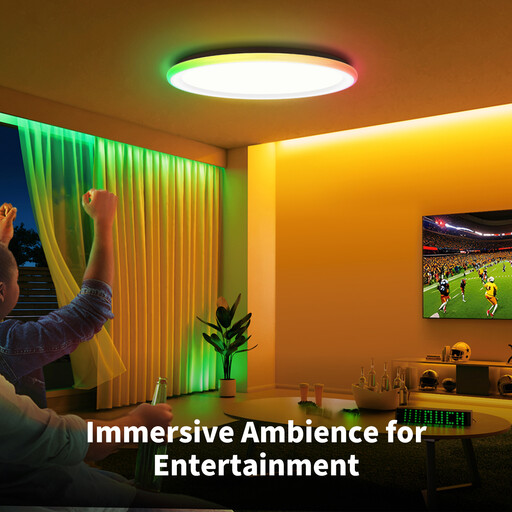
Why it stands out This model combines a main light with a side light ring (SideGlow). The RGBICWW technology allows both the main light and the side light to be controlled independently in different colours and temperatures, creating dynamic and immersive lighting moods.
Advantages
Who it's for Users looking for a versatile colour-changing ceiling light for entertainment areas, gaming rooms, or living rooms, who value atmospheric, room-filling illumination.
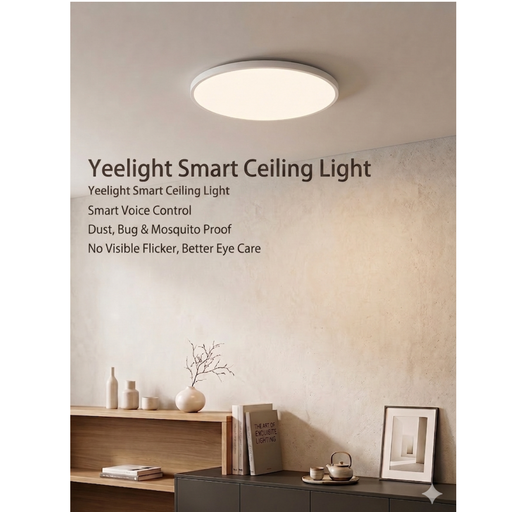
Why it stands out The C300 is distinguished by its practical design. The fully sealed construction is dust-proof and insect-proof, which reduces maintenance. The special moonlight mode provides very low brightness for the night.
Advantages
Who it's for Users who prefer a functional and low-maintenance smart home light for daily use and need eye-friendly lighting for bedrooms and living areas.
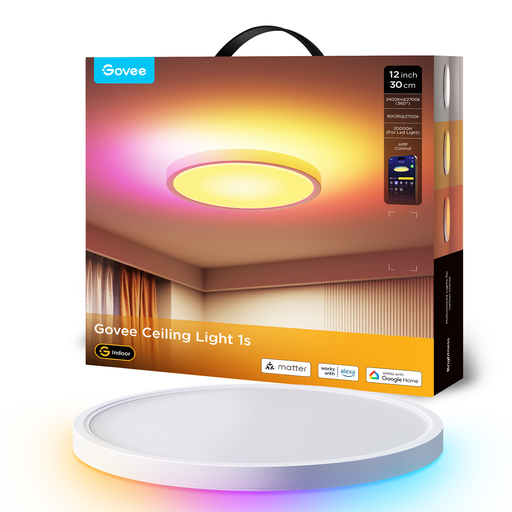
Why it stands out This model from Govee features two separate light sources: an RGBWW main light and an RGBIC backlight. This allows for complex, multi-layered lighting effects and synchronisation with music.
Advantages
Who it's for Tech-savvy users looking for a highly customisable RGB ceiling light with music synchronisation for gaming rooms, home cinemas, or parties.
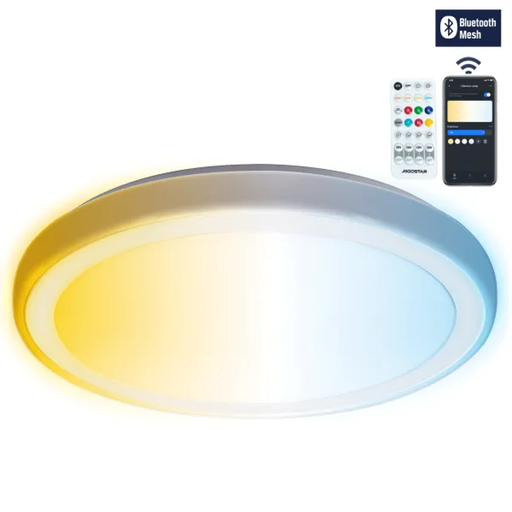
Why it stands out This light uses Bluetooth Mesh technology for networking. This allows multiple lights to be controlled as a group without a central hub, simplifying setup. At 3960 lumens, it offers very high brightness.
Advantages
Who it's for People who need exceptionally bright lighting for large living rooms, offices, or open-plan living areas and prefer a stable, Bluetooth-based smart system.
The models presented already cover a wide spectrum. However, if you are looking for other designs, sizes, or specific functions, you can find a larger selection in our main category.
? Explore more models in the Flush Mount Ceiling Lights category
Yes, a smart light can be turned on and off with a normal wall switch. However, this interrupts the power supply, which deactivates the smart functions (app, voice control). To use the lamp intelligently, the switch must remain permanently on. Many models offer a feature that restores the last light state after being powered back on.
No, not necessarily anymore. Many modern smart ceiling lights connect directly to your smartphone and home network via Wi-Fi or Bluetooth. A bridge (or hub) is mainly required for systems like Zigbee or Z-Wave. Models that work directly via Wi-Fi or Bluetooth are often easier to set up.
The physical mounting on the ceiling is similar to that of a conventional lamp. After the electrical installation, the setup in the respective manufacturer's app follows. There, the light is connected to the Wi-Fi network and can then be configured. If you are unsure about the electrical installation, a qualified electrician should always be consulted.