
Lieferung heute & morgen

Qualitätsgarantie

Willkommens-Angebote freischalten: KOSTENLOSE Lieferung | Bis zu 80 % RABATT | Kostenlose 30-Tage-JoyPlus-Testphase
App herunterladen
The right lighting can transform a room. A smart, dimmable LED ceiling light promises ultimate convenience: adjust the ambience via app or voice, switch from bright task lighting to a cosy evening glow, and save energy in the process. But the market is flooded with products that often fail to deliver on their promises. Before you make a decision, it's crucial to understand the common pitfalls that can lead to disappointment and unnecessary expense.
This guide will help you separate the wheat from the chaff. We'll focus on the key features that define a quality smart ceiling light and show you what to look for to find a durable, functional solution for your home.
To avoid these issues, you should base your choice on objective criteria. The following three points are crucial for the functionality and longevity of your new ceiling light.
The most important feature of a smart light is its connectivity. Check carefully which systems are supported.
The customisability of the light is the main advantage of a smart ceiling light. Pay close attention to the technical specifications here.
The performance and design must suit the room.
Based on these criteria, we have selected a few products from our range that are suitable for different user profiles and needs.
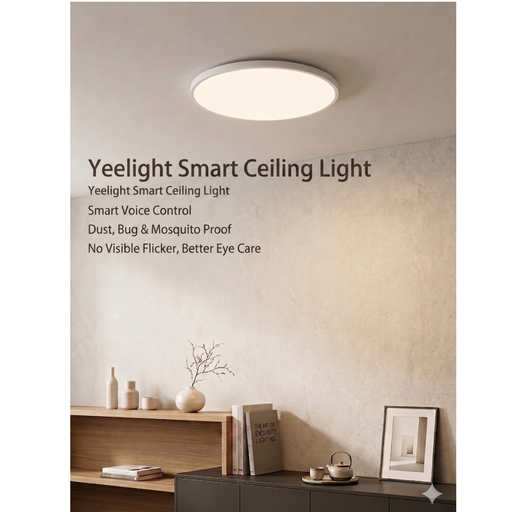
Why This Fits Their Persona: Ideal for users seeking seamless integration into their existing smart home ecosystem. Controlling brightness and colour temperature via voice assistants or automation routines offers maximum everyday convenience.
Avoids the "isolated solution" trap with certified compatibility for Alexa, Google Home, and SmartThings. Its RG0 certification and flicker-free operation bypass the problem of poor-quality dimming.
Fully customisable light ambience (brightness and colour). The ultra-low brightness moonlight mode is perfect for nighttime. Its sealed design protects against dust and insects.
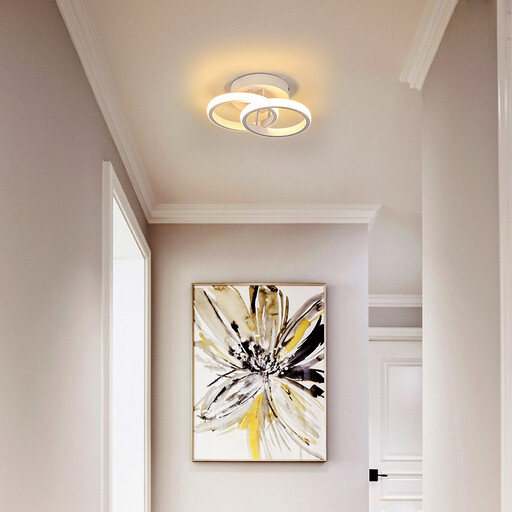
Why This Fits Their Persona: Perfect for users who appreciate a modern, unobtrusive design and a warm, inviting atmosphere but don't need complex smart features.
Bypasses the complexity and potential incompatibility of smart systems by focusing on the essentials: great light in an attractive design. You don't pay for features you won't use.
The modern double-ring design is a visual accent. The 3000 K colour temperature produces a cosy, warm white light. Its low-profile build is ideal for standard ceiling heights.
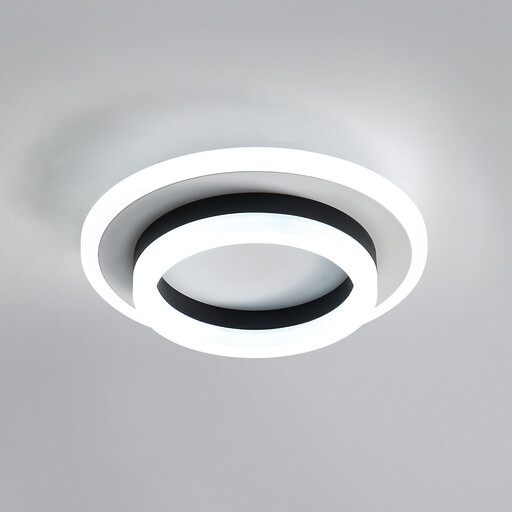
Why This Fits Their Persona: Suitable for pragmatic users who need bright, clear, and energy-efficient lighting for functional areas like the kitchen, home office, or hallway, where utility is the priority.
Avoids the trap of unsuitable light colour. Instead of a one-size-fits-all solution, this light specifically provides cool white light optimised for tasks requiring concentration.
High luminous flux of 1920 lumens with only 24 watts of consumption. The 6000 K colour temperature provides an activating, daylight-like illumination. Simple, functional design.
We have compiled a complete, up-to-date list of products that fully meet these strict selection criteria and all relevant safety standards.
1. How do I install a smart LED ceiling light? Ceiling installation is similar to that of a conventional light fixture. Always turn off the circuit breaker before installation. After the electrical wiring is complete, the light must be connected to your Wi-Fi network and configured via its companion app. If you are unsure, we recommend having it installed by a qualified electrician.
2. Does a smart ceiling light always need an internet connection? An active internet connection is required for initial setup, remote control via the app, and using voice assistants. However, many models can still be turned on and off with a standard wall switch, and they will remember their last setting. The smart features, however, will not be available in this case.
3. What is the lifespan of an integrated LED ceiling light? Integrated LED lights have a very long lifespan, often rated for 20,000 to 50,000 operating hours. With average use of a few hours per day, this equates to many years. Since the LEDs are built-in, the entire fixture must be replaced at the end of its life, not just the light source.