
Lieferung heute & morgen

Qualitätsgarantie

Willkommens-Angebote freischalten: KOSTENLOSE Lieferung | Bis zu 80 % RABATT | Kostenlose 30-Tage-JoyPlus-Testphase
App herunterladen
Smart LED lighting lets you control individual lamps, entire rooms or decorative lighting zones via an app or voice command. Before buying, however, it is worth taking a close look at the technical specifications. A high number of colours, “smart” features and compatibility logos alone do not say much about whether a light can be used reliably in your home.
A Wi-Fi LED bulb may work with a manufacturer's app without integrating directly with Alexa, Google Home or Apple Home. Bluetooth products may also require a gateway or compatible bridge, depending on the model. Matter-compatible lighting makes cross-platform use easier, but it does not replace checking your smartphone operating system, Wi-Fi frequency and the required app.
An RGBW LED or RGBIC light source can display many colours. However, lumens, colour temperature and light distribution are also important for practical use. For example, a decorative smart LED bulb with 420 or 470 lumens is suitable for accent lighting, while a smart ceiling light with up to 1,800 lumens can illuminate a room much more brightly.
Not every dimmable LED bulb is suitable for bathrooms, kitchens or outdoor areas. IP20 generally indicates protected indoor areas, while IP44 provides limited protection against splashing water. A permanently installed smart ceiling light must also be fitted professionally. A qualified electrician should be involved when working on a 220–240-volt mains supply.
With a smart light bulb, the base must match the existing fitting. E27 and GU10 are common options. You should also take the diameter, length and lampshade into account. An E27 filament bulb in an ST64 or G95 format needs more space than a compact standard bulb.
For choosing according to where the light will be used:
Brightness is measured in lumens, not watts. Watts mainly indicate energy consumption. For work areas, the light should provide sufficient white-light brightness. Lower values may be enough for gaming, bedrooms or decorative zones.
With RGBW products, you can set white light as well as coloured light. A range of 2,700 K to 6,500 K covers warm white through to daylight-like light. The term “dimmable” should also be checked against the actual control method: some models can only be dimmed via an app, remote control or voice control and are not suitable for conventional wall dimmers.
Before setting up the product, check whether it requires 2.4 GHz Wi-Fi. Many Wi-Fi lights will not connect directly to a network operating exclusively on 5 GHz. Matter products usually require a Matter-enabled controller or a supported smart home platform, while some Wi-Fi models work without a separate hub.
Relevant specifications include:
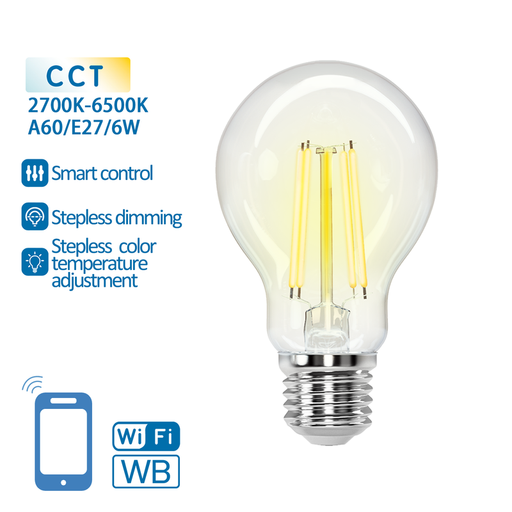
Why this product suits this profile: The E27 bulb fits an existing standard socket and, according to the product specifications, connects directly to 2.4 GHz Wi-Fi. It can be controlled via the AigoSmart app or through Alexa and Google Home.
The E27 base and operation without an additional hub reduce common compatibility questions during initial setup.
6 W power consumption, up to 850 lumens, dimmable, with adjustable colour temperature from 2,700 K to 6,500 K.
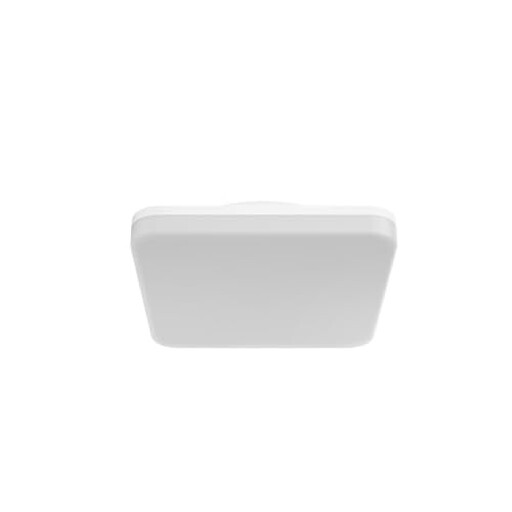
Why this product suits this profile: This light combines RGBW colours, white light from 2,700 K to 6,500 K and Matter support. With up to 1,800 lumens, it is suitable for central lighting in living rooms, bedrooms or home offices.
Matter, app and voice control are clearly specified. The IP54 rating provides a clear indication of its suitability for more humid indoor areas.
18 W, up to 1,800 lumens, continuously dimmable, with scenes, schedules and group control.
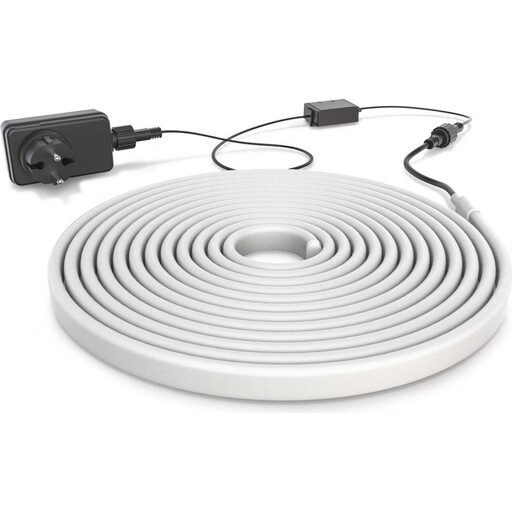
Why this product suits this profile: The 5 m LED light strip is designed for indirect lighting on furniture, ceilings or in gaming areas. RGBIC can display several colours simultaneously along the strip.
The IP44 rating prevents it from being broadly classed as waterproof lighting. The strip must not be submerged and requires a suitable mounting surface.
300 lumens, 2,700 K warm white, dimming function, remote control, plus Matter, app and voice control.
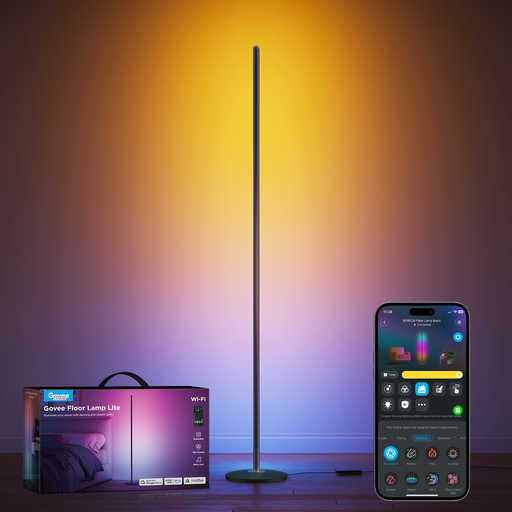
Why this product suits this profile: This slimline smart floor lamp needs no permanent ceiling installation and can be placed in the living room, bedroom or gaming room. Its black design and indirect light output create an atmospheric lighting effect.
The freestanding design avoids any need to alter the electrical installation. Safe operation requires a stable, level surface and dry indoor spaces.
1,000 lumens, 24 W, 16 million stated colours, 58 scene modes, plus Wi-Fi, Bluetooth, app and voice control.
We've put together a complete, regularly updated list of products that fully meet these strict selection criteria and the safety regulations applicable in the EU.
Setting up a Wi-Fi LED bulb usually requires the manufacturer's app. The typical steps are:
With Matter products, keep the QR code on the packaging or device in a safe place. For a stable connection, the router, light and, where applicable, Matter controller should all be within sufficient range. When installing an LED light strip, clean the surface first; the adhesive backing is more reliable on dry, smooth and grease-free surfaces.
This depends on the product and the control method. Local Bluetooth control may work without an internet connection in some cases. However, app features, remote access, voice control and schedules often require an active network connection. The manufacturer's specifications should always be followed.
Lifespan is usually stated in hours and depends on the model, operating time, heat generation and switching cycles. The product specifications for individual models may state figures such as 10,000 to 15,000 hours or 25,000 hours. These figures are not a guarantee of a specific service life in your home.
Energy consumption depends on power, brightness and operating time. A bulb using 4.9 or 6 W requires less energy over the same period than a conventional light source with a higher power consumption. A small amount of energy may still be used in standby mode because Wi-Fi or Bluetooth functions remain active. Wattage, usage time and standby consumption should therefore all be considered when calculating running costs.