
Lieferung heute & morgen

Qualitätsgarantie

Willkommens-Angebote freischalten: KOSTENLOSE Lieferung | Bis zu 80 % RABATT | Kostenlose 30-Tage-JoyPlus-Testphase
App herunterladen
By the Joybuy Product Recommendation OfficerLast updated: August 30, 2026
LED strips have evolved from a niche gadget for tech enthusiasts into a staple of modern interior design. They promise to deliver atmospheric ambient lighting, functional task lighting, or immersive gaming experiences with minimal effort. But the market is crowded and confusing, and not every product lives up to its advertising claims. Before you invest, it's crucial to understand the common pitfalls that often only become apparent after installation.
This guide will help you correctly interpret technical specifications and make an informed decision that perfectly matches your needs.
Many buyers focus solely on price or marketing buzzwords, which often leads to disappointment. Pay close attention to these three weak points:
LED light strip detaches and must be tediously re-secured.smart LED strip that constantly loses its Wi-Fi connection, has a sluggish app, or doesn't respond reliably to voice commands defeats its purpose. Many inexpensive models advertise smart control, but their real-world implementation can be frustrating.To avoid these problems, you should check three technical features before buying. These reveal the true quality and longevity of an LED strip.
These two values determine the quality of the light.
LED under-cabinet light in the kitchen where food colors need to be rendered accurately, a CRI score of over 80 is a must. A lower value makes colors look distorted and unnatural.Consider how you want to operate your lighting. The options range from simple to fully integrated.
gaming lights), and control via voice assistants (e.g., Alexa, Google Assistant).The IP rating indicates how well an electrical device is protected against the ingress of solid objects (first digit) and water (second digit).
LED under-cabinet light in the kitchen.Instead of a one-size-fits-all recommendation, we've selected products that meet specific needs and avoid the pitfalls mentioned earlier.
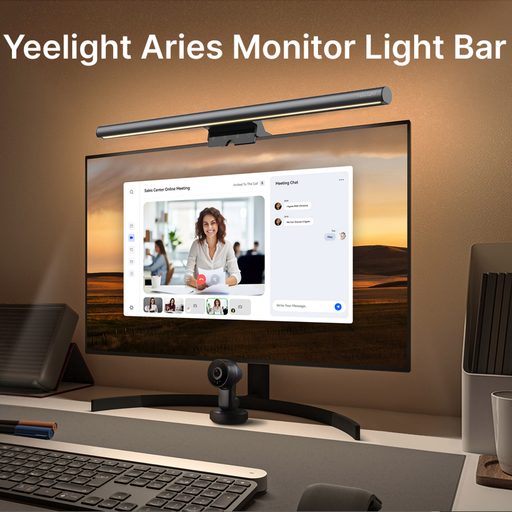
Why This Fits Their Persona: Ideal for users who work or game at their desk for long hours. This monitor light saves desk space and precisely illuminates the workspace without causing screen glare—a common problem with traditional desk lamps.
The asymmetrical design prevents screen reflections, a typical drawback of poorly positioned light sources. Instead of an adhesive strip, it uses a sturdy, weighted mount.
Precise, glare-free illumination of the desk. Adjustable brightness and color temperature to reduce eye strain.
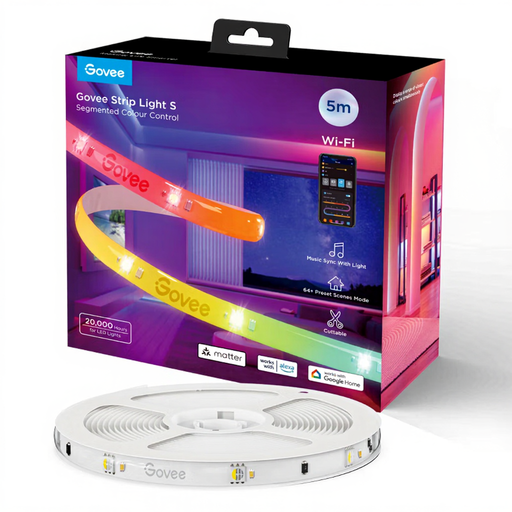
Why This Fits Their Persona: Perfect for users who want seamless integration into their existing smart home system and maximum creative control over their gaming lights or ambient room lighting.
Matter certification ensures stable, future-proof connectivity, avoiding the frustration of unreliable apps. The RGBIC technology allows for multi-color effects on a single strip, unlike basic RGB LED strips.
Segmented color control (RGBIC) for dynamic gradients. Universal compatibility thanks to Matter support. Protective coating for enhanced durability.

Why This Fits Their Persona: A hassle-free solution for anyone who wants to quickly and easily add light to cabinets, drawers, or dark corners without any wiring. Ideal for functional LED cabinet lighting.
Instead of a simple adhesive strip, it uses a magnetic mount with an adhesive pad, making it easy to install and detach for recharging. The integrated sensor eliminates the need for switches or remotes.
Integrated LED strip with motion sensor (PIR sensor). Wireless and USB-rechargeable. Three adjustable color temperatures for different needs.
We have compiled a complete, up-to-date list of products that fully meet these strict selection criteria and safety standards.
The power consumption of LED strips is generally very low. A typical 5-meter strip has a power draw between 10 and 30 watts, depending on LED density and brightness. Even with several hours of daily use, the annual electricity costs are minimal. You can find the exact power consumption in watts (W) in the technical specifications of the respective product.
Most flexible LED strips can be cut, but only at the designated markings. These are usually indicated by a scissor icon or a thin line. Cutting anywhere else will damage the circuit, causing a segment of the strip to stop working. Rigid bars like an LED bar or a monitor light are generally not designed to be cut.
The lifespan of LEDs is specified in operating hours and typically ranges from 20,000 to 50,000 hours. With an average use of four hours per day, this equates to a lifespan of over 13 years. Factors such as component quality, heat dissipation, and the operating environment can affect the actual lifespan.