
Lieferung heute & morgen

Qualitätsgarantie

Willkommens-Angebote freischalten: KOSTENLOSE Lieferung | Bis zu 80 % RABATT | Kostenlose 30-Tage-JoyPlus-Testphase
App herunterladen
Smart LED strips promise a simple and effective way to give any room a unique atmosphere—whether as atmospheric indirect LED lighting in the living room, dynamic gaming room lighting, or immersive TV backlighting. However, the market is flooded with products of widely varying quality. Before you invest, you should be aware of three common problems that often only become apparent after the purchase, leading to disappointment.
To avoid a bad purchase, it's crucial to understand the technical specifications. Focus on the following three core aspects to find a durable and functional product.
The choice of LED technology is fundamental to the lighting experience.
A smart LED strip is only as good as its software. Look for a stable connection method and broad compatibility.
The longevity of an LED strip depends heavily on its construction and mounting materials.
Based on the quality criteria mentioned, we have compiled a selection of products for different user groups.
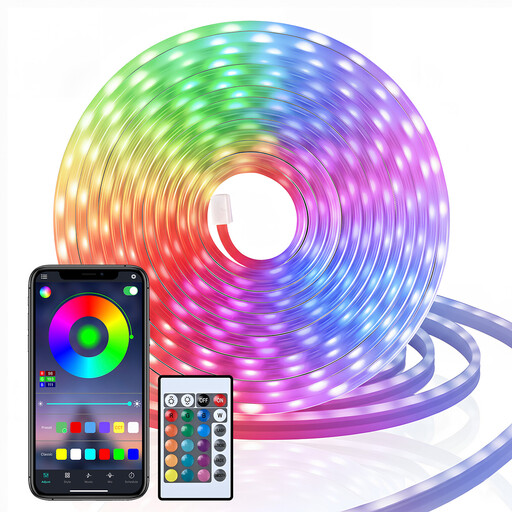
Why This Fits Their Persona: Ideal for users who want to get started with smart lighting. The simple installation and control via remote or app make it a straightforward solution for decorative accents in the bedroom or living room.
In addition to app control, this model includes a physical remote, thus avoiding complete reliance on potentially unstable software. The flexible FPC strip is designed for simple DIY projects.
Offers music synchronisation via a built-in microphone and a flexible neon design for even light distribution without visible LED dots.
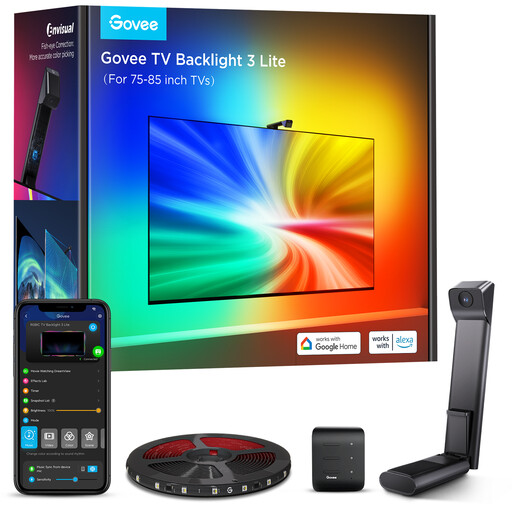
Why This Fits Their Persona: Specifically designed for immersive TV backlighting. The colour synchronisation with on-screen content creates a dynamic and captivating experience for movies and video games.
The combination of RGBICW technology and a fisheye camera for colour detection solves the problem of inaccurate or static colours found in basic RGB strips. The well-established Govee Home App ensures reliable connectivity.
Provides precise, camera-based colour matching with on-screen content (screen mirroring) and is optimised for the demands of large televisions.
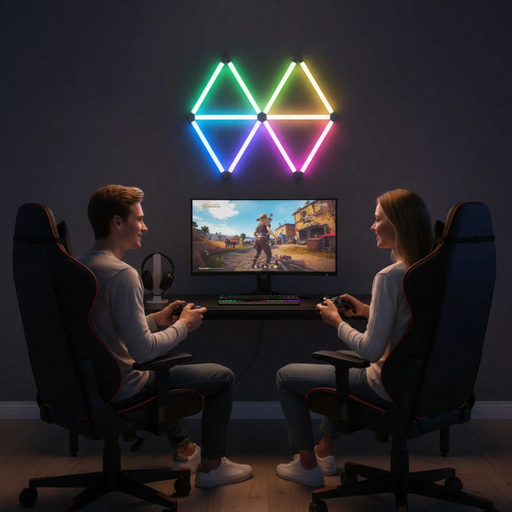
Why This Fits Their Persona: Perfect for DIYers and creative minds looking for more than just a straight light strip. The modular system of individual light bars allows for custom designs and geometric patterns on the wall.
This system bypasses the limitations of a linear strip with a modular, interlocking design. The mounting is designed for wall surfaces and offers greater stability than many simple strips when installed correctly (on a dust-free surface, with the adhesive gently warmed).
Offers maximum design freedom through connectable light bars. Integration with the widely used Smart Life app allows for easy incorporation into existing smart home systems and automations.
We have compiled a complete, up-to-date list of products that fully meet these strict selection criteria and all relevant safety standards.
Yes, most LED strips can be cut to fit a specific length. However, this is only possible at the designated cutting marks (often indicated by a scissor icon). Cutting anywhere else will interrupt the circuit and render the severed segment, and possibly the rest of the strip, unusable.
Power consumption is very low compared to traditional light sources. It depends on the length of the strip, the LED density, the set brightness, and the colour (displaying white typically uses more energy than individual colours). The exact values in watts are usually listed on the product packaging or in the technical data sheet. In general, LED strips are an energy-efficient lighting solution.
That depends on the specific product. Many modern smart LED strips connect directly to your 2.4 GHz Wi-Fi network and do not require an additional bridge. Some systems, particularly those based on Bluetooth Mesh, may require a separate hub or gateway to enable remote control from outside your home or integration with voice assistants. Check the product description for "no hub required" or "hub required."