
Lieferung heute & morgen

Qualitätsgarantie

Willkommens-Angebote freischalten: KOSTENLOSE Lieferung | Bis zu 80 % RABATT | Kostenlose 30-Tage-JoyPlus-Testphase
App herunterladen
The right lighting can completely transform the atmosphere of a room. Instead of settling for static light sources, many are looking for flexible solutions that can adapt to their mood, activities, and the time of day. Smart lighting offers precisely this flexibility—from adjusting brightness to switching between millions of colours.
As your Joybuy Product Recommendation Officer, my job is to give you a clear overview of the available options. This article introduces different types of smart lighting and presents a selection of products that meet various design and functionality requirements. The goal is to provide you with a solid foundation for making an informed decision as you modernise your home.
Choosing the right smart lighting depends on your individual needs. You should consider three key aspects in your decision.
The type of control defines your everyday convenience. Common options include:
Consider what function the lighting should serve. The main distinction is between direct and indirect lighting.
The ability to adjust light colour and brightness is a core feature of smart lighting.
Here is a selection of products that take different approaches to modern and functional room lighting.
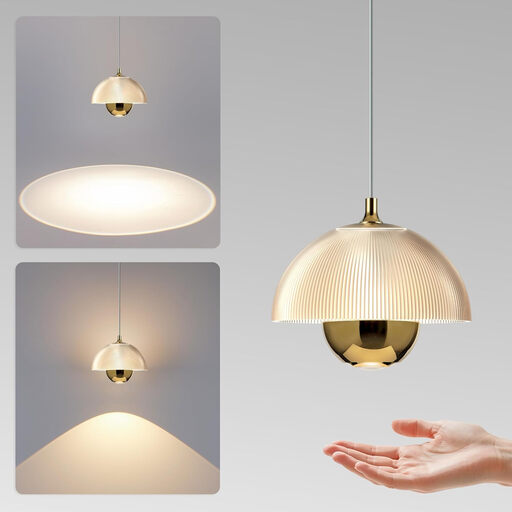
Why It Stands Out: This pendant light combines a modern "flowerpot" style design with innovative, touch-free control. An integrated infrared sensor allows you to turn the light on and off, as well as dim it, with a simple hand gesture—a hygienic and futuristic solution.
Benefits:
Who Is It For? For design enthusiasts looking for an elegant and functional dimmable pendant light for their kitchen island, dining table, or as a bedside lamp, who also value minimalist interaction.
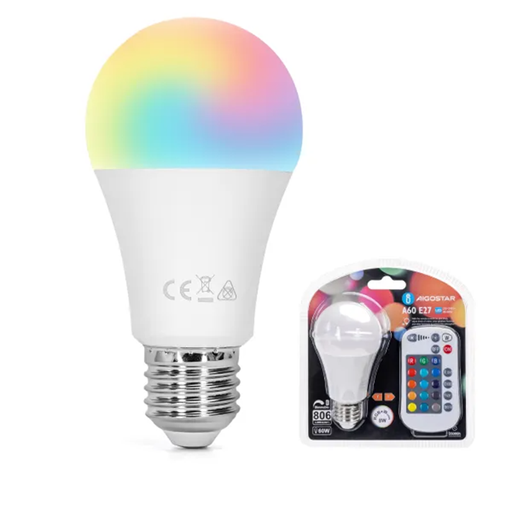
Why It Stands Out: This LED bulb is a hassle-free retrofit solution to make existing lamps smart. It fits into any standard E27 socket and comes with an infrared remote for instant control.
Benefits:
Who Is It For? For anyone looking for a simple and affordable RGB lamp with a remote control to quickly add colourful accents to living rooms, bedrooms, or children's rooms without any technical hurdles.
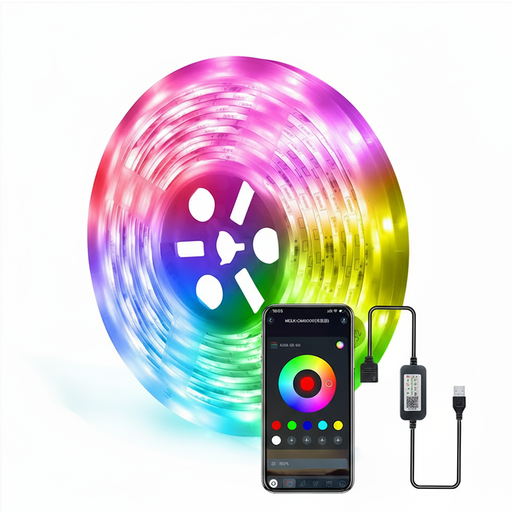
Why It Stands Out: This flexible USB LED strip is specifically designed for indirect lighting. It is powered simply via a USB port and controlled by an app, making it ideal for mounting behind TVs, monitors, or in gaming setups.
Benefits:
Who Is It For? For gamers, film fans, and anyone who wants to create dynamic ambient lighting. Perfect for reducing eye strain during screen use and enhancing immersion.
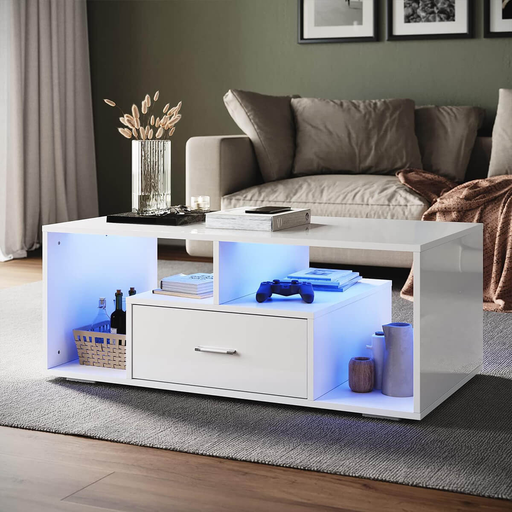
Why It Stands Out: This product is more than just a light source—it's a piece of furniture. The coffee table with lighting combines a modern high-gloss design with an integrated, remote-controlled LED strip and practical storage space.
Benefits:
Who Is It For? For those seeking a multifunctional piece of furniture for their modern living room that serves as both a design statement and a source of atmospheric ambient lighting.
The products featured here cover only a small fraction of the possibilities that smart lighting offers. If you're looking for specific colours, shapes, or control systems, it's worth taking a look at our wider selection.
Explore our full range of colour-changing LED lamps and find the perfect solution for your home.
1. What is the advantage of smart lighting over normal LED lamps? The main advantage lies in flexibility and control. With smart lighting, you can not only adjust the brightness (dimming) but also often change the light colour (RGB) and colour temperature (from warm to cool white). Furthermore, features like schedules, remote access via app, and voice control enable automation and greater everyday convenience.
2. Do I always need a bridge or a hub for smart lighting? Not necessarily. Many modern smart lights connect directly to your smartphone or home network via Wi-Fi or Bluetooth, so no additional hardware (bridge/hub) is required. Products like the LED strips or the Aigostar bulb featured here work as stand-alone devices. Systems that do require a bridge often offer a more stable connection and the ability to manage a very large number of lights.
3. How do I install an LED strip? Installation is generally straightforward. First, the surface where the strip will be applied should be clean, dry, and free of grease. Measure the required length and, if necessary, cut the strip at the designated markings. Then, peel off the protective film from the adhesive backing and press the strip firmly into place. Finally, connect it to the power source, such as a USB port.