
Lieferung heute & morgen

Qualitätsgarantie

Willkommens-Angebote freischalten: KOSTENLOSE Lieferung | Bis zu 80 % RABATT | Kostenlose 30-Tage-JoyPlus-Testphase
App herunterladen
Choosing the right lamp involves much more than just design. An unsuitable light fixture can negatively affect a room's atmosphere, drive up energy costs, or prove impractical for daily use. Many buyers focus solely on aesthetics and overlook crucial technical details, which often leads to disappointment. Before you make a decision, it's important to understand the most common pitfalls to avoid a bad investment.
Unstable construction is a widespread issue. A visually appealing table lamp with a wobbly base or a pendant light made from low-quality materials isn't just an annoyance—it's a safety hazard. Another pitfall is choosing the wrong lighting atmosphere. A fixture with cold, harsh white light can make a cosy living room feel impersonal, while a lamp that's too dim in a workspace can cause eye strain. Finally, incompatibility between the socket and the bulb often leads to frustration and unexpected follow-up costs for special or expensive bulbs.
To avoid these problems, you should focus on a few fundamental parameters. These criteria will help you make an informed decision that balances function and aesthetics.
The socket determines which type of bulb you can use. The most common types are:
When buying, look for a fixture with a standard socket like E27. This gives you the freedom to choose from a wide range of bulbs, including modern LED lamps. LEDs are energy-efficient, long-lasting, and available in various light colours. Integrated (permanently installed) LED modules are also an option, but they offer less flexibility if the light source fails.
These two values are crucial for a room's atmosphere and functionality.
The material affects not only the look but also the durability and stability. A wooden lamp adds a natural, warm touch to a room. A black metal lamp is a hallmark of the popular industrial style, appearing robust and modern. For a table lamp, a weighted base is essential for stability. For a ceiling light or pendant light, a solid ceiling mount is crucial for safety.
Instead of presenting an overwhelming list, we've selected a few light fixtures that fit specific needs and are designed to avoid the pitfalls we've mentioned.
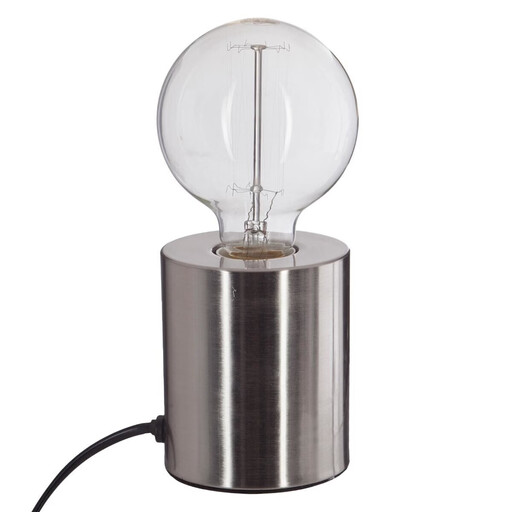
Why this model is a great fit: Ideal for anyone who appreciates a clean, unobtrusive design. Its compact, cylindrical shape and silver metal finish blend seamlessly into modern interiors without dominating the space. Perfect as an accent light on a side table or dresser.
The solid metal base ensures high stability and prevents wobbling. Thanks to the standard E27 socket, you have the flexibility to choose your own bulb and aren't tied to expensive specialty lamps.
Compact dimensions (10.5 cm height) allow for versatile placement. The 150 cm cable with an integrated switch offers ample reach and convenient operation.
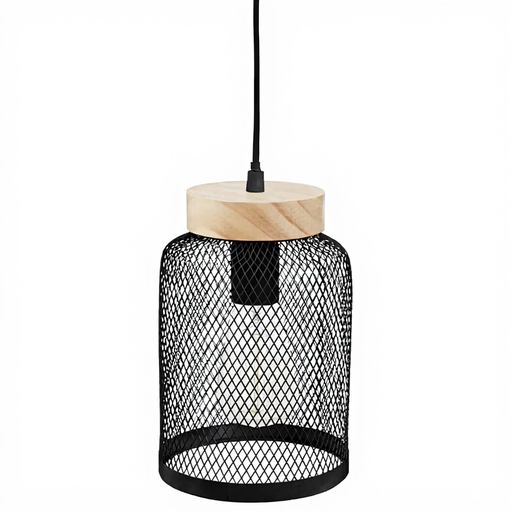
Why this model is a great fit: This pendant light combines a black metal cage with a pine wood accent—a characteristic mix for the industrial style. It's perfect for highlighting a dining table or kitchen island.
The open cage shade allows for wide light distribution, preventing the light from being too focused or dim. The E27 socket allows you to use a decorative filament bulb to enhance the vintage look.
The combination of steel and wood is robust and durable. The fixture is lightweight yet sturdily constructed.

Why this model is a great fit: For anyone who sees lighting as a statement piece. This modern lamp with a neon look is a real eye-catcher, adding a playful, personal touch to any room—from a teenager's bedroom to a living area.
As this is purely an accent light, the issue of choosing the "wrong" light colour for general illumination is moot. The LED light source is integrated and designed for longevity. Its USB power cable makes it flexible to place.
A unique design object that immediately draws attention. Thanks to its compact size and low weight, it can be effortlessly placed on shelves, consoles, or desks.
We have compiled a complete, up-to-date list of products that fully meet these strict selection criteria and all relevant safety standards.
Safety is the top priority. Always turn off the circuit breaker for the relevant circuit before starting any work. Check the load-bearing capacity of your ceiling, especially for heavy fixtures. The installation should be done professionally. If you are unsure, it is advisable to hire a qualified electrician.
A common rule of thumb is that the diameter of the pendant light should be about 30 cm smaller than the width of the table. This ensures the table is well-lit without the fixture looking oversized. The ideal distance between the bottom of the light and the tabletop is 60 to 75 cm to ensure glare-free and pleasant lighting for your dining room lamp.
The IP (Ingress Protection) rating indicates how well a fixture is protected against the ingress of foreign objects (first digit) and water (second digit). IP20 is the standard for dry indoor areas like living rooms and bedrooms. For bathrooms, higher IP ratings are required depending on the zone. For example, near a shower or bathtub, IP44 (protection against splashing water) or higher is mandatory.